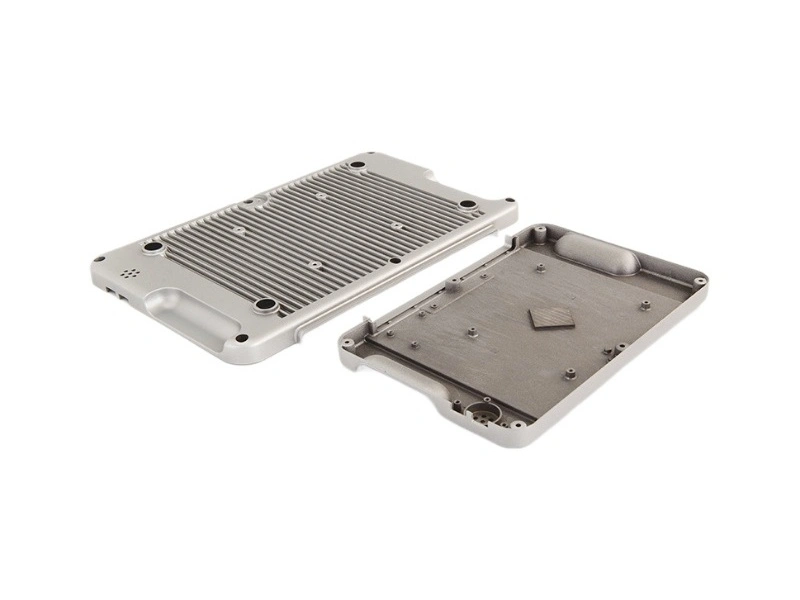
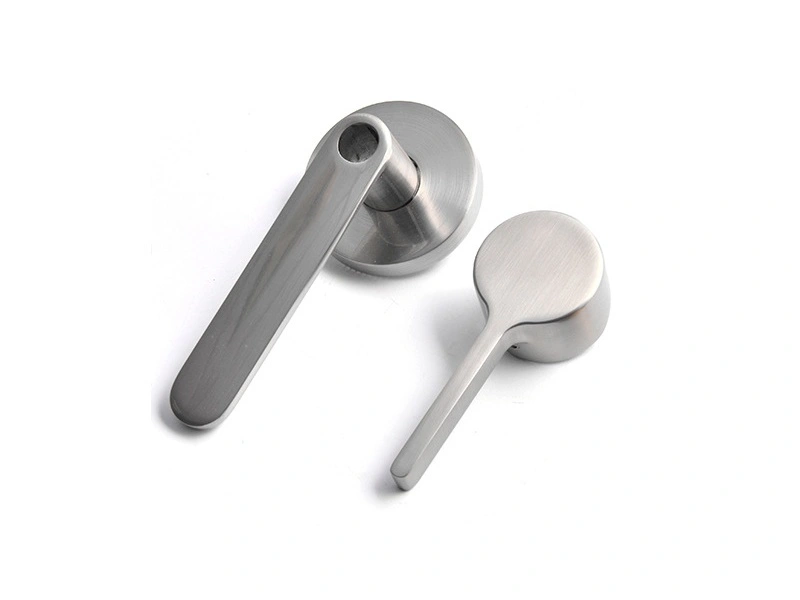
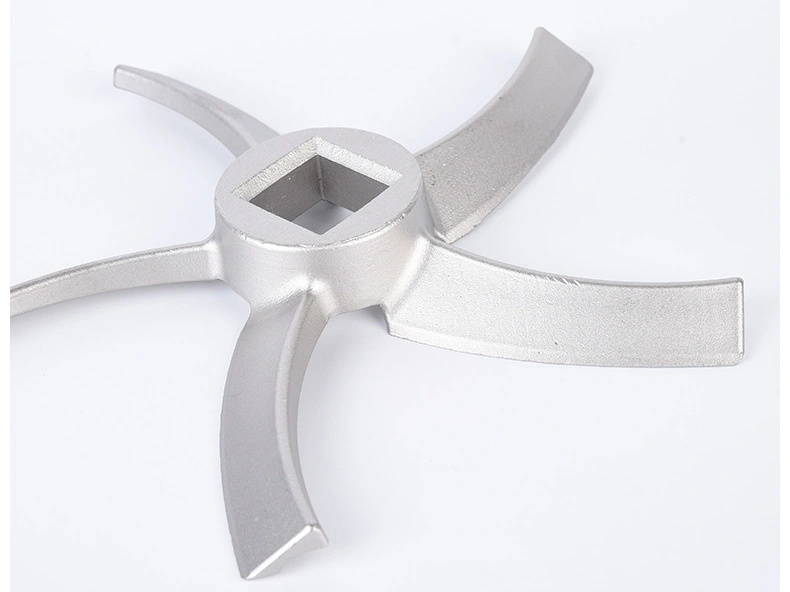
What Affects the Cost of Zamak Casting?
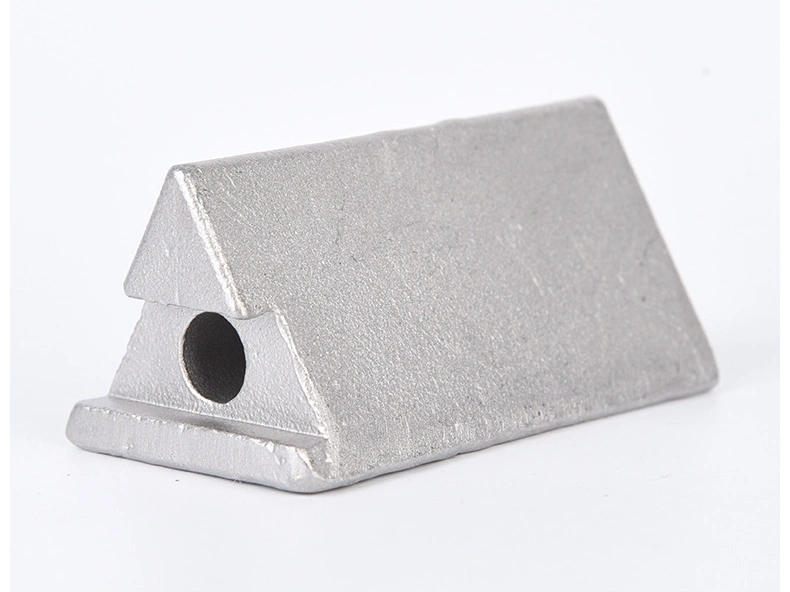
What Affects the Cost of Zamak Casting?
Zamak casting cost is affected by part size, part weight, Zamak material selection, structural complexity, tooling cost, cavity number, annual demand, tolerance requirements, CNC machining areas, plating, painting, coating requirements, appearance inspection standards, scrap rate, rework risk, packaging, and delivery requirements.
Buyers should not evaluate Zamak casting cost only by single part price. A complete cost review should include tooling cost, unit cost, CNC machining after die casting, surface finishing cost, inspection cost, packaging, delivery, and long-term production stability.
1. Main Factors That Affect Zamak Casting Cost
Cost Factor | How It Affects Cost | Buyer Should Review |
|---|---|---|
Part size and weight | Larger or heavier parts use more material and may require larger tooling | Optimize wall thickness and avoid unnecessary mass |
Zamak material selection | Different zinc alloys may affect strength, cost, casting stability, and surface finish | Select material based on function, appearance, and cost target |
Structural complexity | Undercuts, thin walls, deep cavities, and sliders increase tooling difficulty | Complete DFM review before tooling |
Tooling cost | Mold design, machining, inserts, sliders, cooling, venting, and trials add upfront cost | Compare tool life, quality stability, and maintenance, not only mold price |
Cavity number | Multi-cavity molds cost more but can improve output for higher volume | Match cavity strategy with annual demand |
Surface finishing | Plating, painting, coating, polishing, and cosmetic inspection add cost | Define cosmetic surfaces and finish standards early |
2. How Part Size, Material and Structure Affect Cost
Part size, weight, and structure affect both material use and manufacturing complexity. A small simple Zamak casting may be economical in volume, while a complex part with deep features, undercuts, tight tolerances, and high cosmetic standards may require more expensive tooling and finishing.
Design Factor | Cost Impact | Cost Control Method |
|---|---|---|
Heavy part weight | Increases zinc alloy material use | Optimize wall thickness and remove unnecessary mass |
Thin walls | May require more careful filling and tooling design | Review flow, wall thickness, and manufacturability before tooling |
Undercuts | May require sliders or more complex mold actions | Simplify structure where possible |
High cosmetic surfaces | Require better tooling layout, polishing, coating, and inspection | Mark cosmetic surfaces and acceptable defects clearly |
3. How Tooling and Cavity Number Affect Cost
Die casting tooling cost is one of the main upfront costs in Zamak casting. Tooling cost depends on part complexity, mold material, cavity number, sliders, inserts, cooling, venting, parting line, surface requirements, and trial needs.
Tooling Factor | Why It Affects Cost | Buyer Decision Point |
|---|---|---|
Single-cavity mold | Lower tooling cost but lower output per cycle | Suitable for lower volume or early production |
Multi-cavity mold | Higher tooling cost but better production efficiency | Suitable when annual demand is stable and higher |
Slides and inserts | Increase tooling complexity and maintenance requirements | Review whether part structure can be simplified |
Tool life requirement | Long-term production may require stronger tooling strategy | Compare mold life, maintenance, and production stability |
4. How CNC Machining and Tolerances Affect Cost
Zamak casting can form many features directly, but CNC machining may still be needed for precision holes, threads, locating faces, sealing faces, datums, and high-tolerance mating areas. The more machining areas and tight tolerances required, the higher the finished part cost may become.
Machining Requirement | Cost Impact | Buyer Cost Control |
|---|---|---|
Precision holes | Adds drilling, fixturing, and inspection time | Mark only functional holes with tight tolerance |
Threads | Adds tapping, tool control, and thread inspection | Define thread size, depth, and acceptance standard |
Flatness-critical faces | Require controlled machining and inspection | Machine only functional faces that require flatness |
Overly tight tolerances | Increase machining, inspection, and rejection risk | Apply strict tolerances only where function requires them |
5. How Surface Finishing and Inspection Affect Cost
Surface finishing is often important in Zamak casting projects. Plating, painting, coating, polishing, deburring, masking, cosmetic inspection, corrosion testing, and packaging protection can all affect final cost. High appearance requirements should be defined before quotation.
Finishing Requirement | Why It Adds Cost | Buyer Should Confirm |
|---|---|---|
Plating | Adds polishing, pre-treatment, coating control, and cosmetic inspection | Plating type, cosmetic surfaces, and defect limits |
Painting or coating | Adds color control, thickness control, masking, and inspection | Color, coating thickness, gloss, texture, and use environment |
Appearance inspection | High visual standards require sorting and quality checks | Cosmetic grade, reference sample, and viewing standard |
Packaging protection | Finished parts may need anti-scratch or separated packaging | Packaging method and delivery requirements |
6. How Zamak Cost Compares With Aluminum and Copper
Buyers may compare aluminum die casting cost and copper die casting cost with Zamak casting cost. Zamak is often strong for small complex parts and surface-quality applications. Aluminum is often better for lightweight structures. Copper is usually chosen when conductivity, heat transfer, or wear resistance is required.
Process | Cost Strength | When It May Be Better |
|---|---|---|
Zamak casting | Good for small complex parts, fine details, and decorative finishes | Hardware, connectors, decorative parts, small precision components |
Aluminum die casting | Good for lightweight and larger structural parts | Housings, brackets, heat sinks, automotive parts |
Copper die casting | Higher cost but strong functional value | Conductive, thermal, wear-resistant, or special functional parts |
7. What Buyers Should Provide for Accurate Cost Estimation
To estimate Zamak casting cost accurately, buyers should provide 2D drawings, 3D models, Zamak material requirements, annual demand, single order quantity, tolerance requirements, CNC machining areas, surface finishing requirements, cosmetic surface standards, inspection requirements, packaging needs, delivery schedule, and target cost.
Buyer Information | Why It Matters |
|---|---|
2D drawing and 3D model | Help evaluate geometry, tooling, tolerances, machining, and surface requirements |
Material and finish requirements | Help estimate Zamak alloy, plating, painting, coating, and inspection cost |
Annual demand and order quantity | Help select tooling strategy, cavity number, and production plan |
CNC machining areas | Help estimate fixtures, tools, machining time, and inspection cost |
Inspection and packaging standards | Help quote finished parts and reduce delivery disputes |
8. Summary
Cost Factor | Main Impact |
|---|---|
Part size and weight | Affect material usage, tooling size, and production cost |
Zamak material selection | Affects strength, surface finish, casting stability, and cost |
Tooling cost and cavity number | Affect upfront investment, production efficiency, and long-term unit cost |
CNC machining areas | Affect fixtures, tools, machining time, tolerances, and inspection cost |
Surface finishing | Affects plating, painting, coating, appearance inspection, and rework risk |
Scrap, rework, packaging, and delivery | Affect real production cost and batch stability |
In summary, Zamak casting cost is affected by part size, weight, material selection, structural complexity, tooling cost, cavity number, annual demand, tolerances, CNC machining, plating, painting, coating, appearance inspection, scrap rate, rework risk, packaging, and delivery requirements. Buyers should evaluate tooling cost, unit cost, CNC machining cost, surface finishing cost, inspection cost, and long-term batch stability together instead of comparing only a single part price.