What Is Tooling in Die Casting?
What Is Tooling in Die Casting?
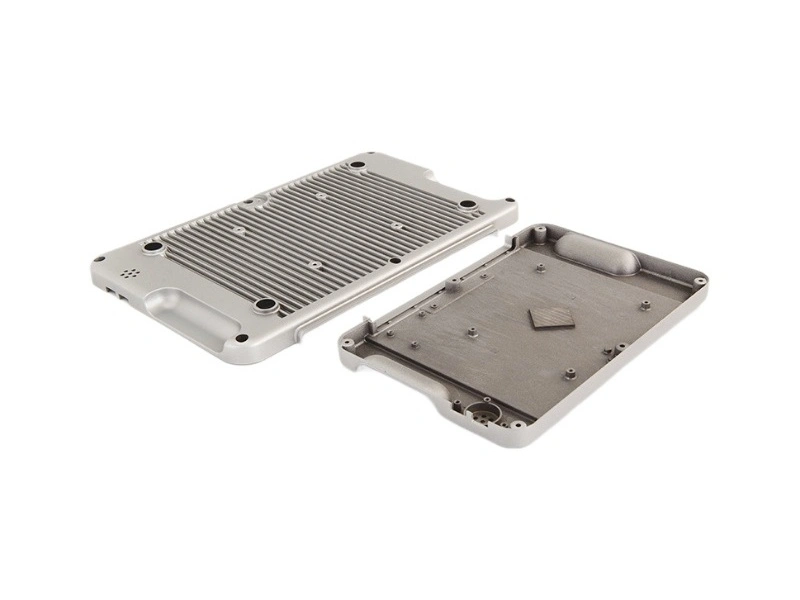
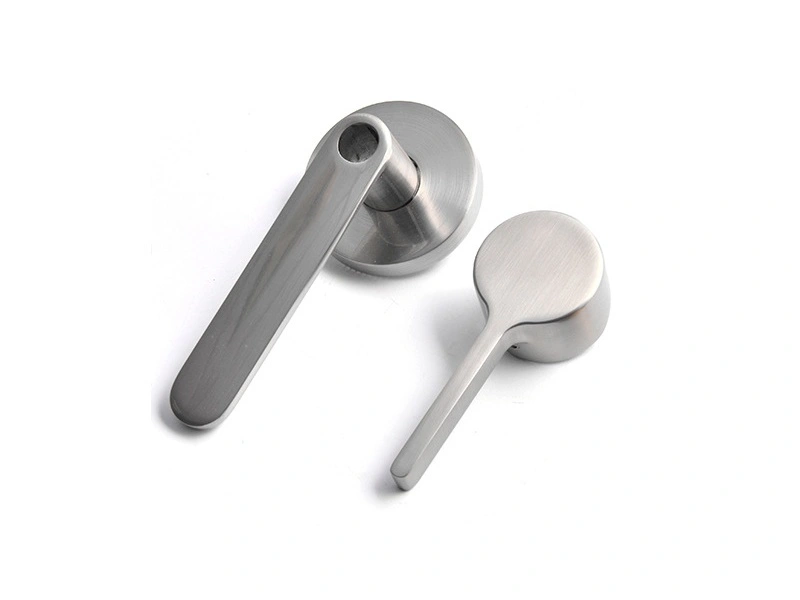
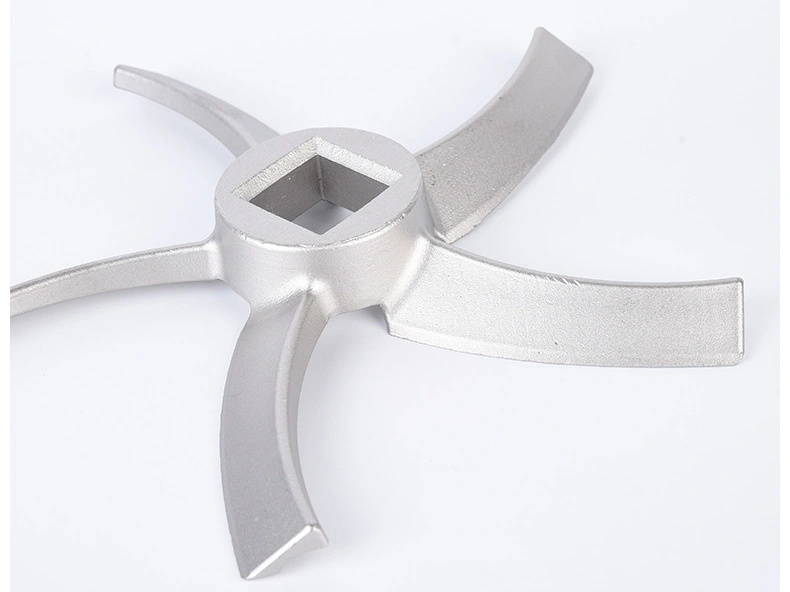
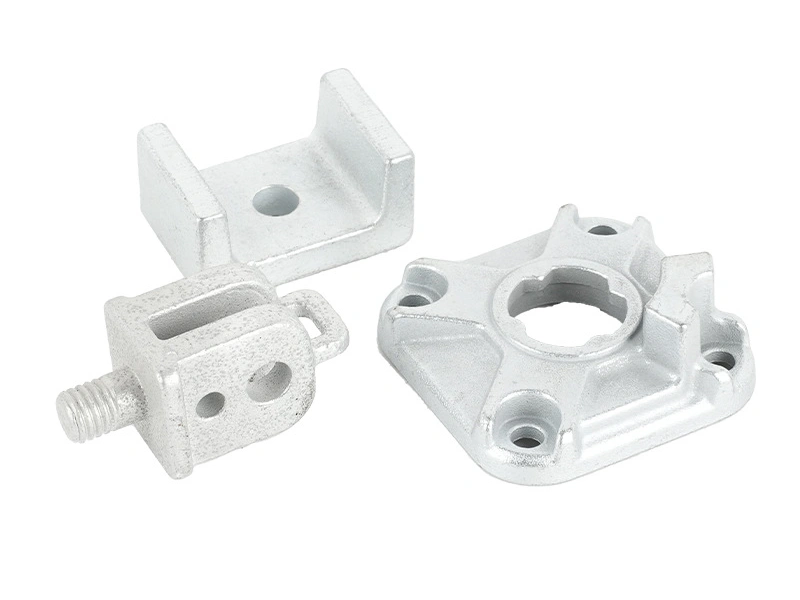
Tooling in die casting refers to the mold system used to form molten metal into custom parts. It usually includes the mold cavity, cores, gates, runners, vents, ejector system, cooling channels, inserts, parting line structure, and other mold features that control how the part is filled, cooled, ejected, and repeated in production.
For buyers preparing for aluminum die casting, zinc die casting, or other custom metal casting projects, tooling is not just an upfront cost. It is a core production investment that affects part quality, unit cost, tolerance control, appearance, porosity risk, flash, cycle time, and delivery stability.
1. Main Functions of Die Casting Tooling
Tooling Area | Main Function | Impact on Final Die Cast Parts |
|---|---|---|
Mold cavity | Forms the external shape of the die cast part | Affects dimensions, appearance, parting line, and repeatability |
Cores | Create internal shapes, holes, ribs, bosses, or complex features | Affects part structure, assembly features, and tooling complexity |
Gates and runners | Guide molten metal into the cavity | Affect filling quality, flow marks, porosity, and surface appearance |
Vents | Help trapped air escape during filling | Reduce gas porosity, air traps, burn marks, and filling defects |
Ejector system | Pushes the casting out of the mold after cooling | Affects ejector marks, deformation risk, and production stability |
Cooling system | Controls mold temperature and solidification | Affects cycle time, shrinkage, warpage, and dimensional consistency |
2. How Tooling Affects Part Quality
Die casting tooling directly affects whether a part can be formed consistently. A good mold design helps molten metal fill the cavity smoothly, releases trapped air, controls cooling, reduces shrinkage, and keeps dimensions stable across repeated production batches.
Quality Area | How Tooling Affects It | Buyer Risk if Tooling Is Poor |
|---|---|---|
Dimensions | Cavity design, shrinkage allowance, cooling, and mold stability control final size | Out-of-tolerance samples and batch variation |
Surface appearance | Gate position, parting line, ejector marks, and cavity finish affect visible surfaces | Flow marks, visible defects, and cosmetic rejection |
Porosity | Venting, runner design, and filling behavior affect trapped gas | Weak areas, leakage risk, and poor machined surfaces |
Flash and burrs | Mold fit, parting line quality, and clamping stability affect flash formation | Extra trimming, deburring, and finishing cost |
Production efficiency | Cooling, ejection, mold life, and cycle stability affect output | Longer cycle time, unstable delivery, and higher unit cost |
3. Why High-Quality Tooling Matters for Production
High-quality die casting tooling is especially important for medium and high volume production. Once production starts, the mold must repeat the same part thousands or even many more times with stable quality. If tooling is weak, poorly cooled, poorly vented, or not designed for the part geometry, the project may face repeated trial problems, high scrap rate, excessive flash, unstable dimensions, and delivery delays.
Good Tooling Supports | Buyer Benefit |
|---|---|
Stable cavity and core design | Improves dimensional repeatability and part consistency |
Balanced gate and runner design | Improves metal filling and reduces flow-related defects |
Effective venting | Reduces air traps, gas porosity, and surface defects |
Reliable cooling | Improves cycle time, shrinkage control, and production stability |
Proper ejection layout | Reduces deformation, ejector marks, and cosmetic problems |
4. What Buyers Should Understand Before Investing in Tooling
Before starting die casting tooling, buyers should understand that mold design is connected with part design, material, wall thickness, surface treatment, CNC machining, tolerance requirements, appearance standards, annual demand, and target cost. Tooling decisions made early can affect the whole project cost and production result.
Buyer Question | Why It Matters |
|---|---|
Is the design ready for tooling? | Unfinished designs may cause later mold modification and project delay |
Which surfaces are cosmetic? | Visible surfaces affect gate, parting line, ejector, polishing, and coating planning |
Which areas need CNC machining? | Machining allowance and datums should be considered before mold manufacturing |
What is the annual demand? | Production volume affects mold material, cavity number, mold life, and cost planning |
What quality standard is required? | Tolerance, surface finish, inspection, and defect limits influence tooling strategy |
5. Summary
Question | Answer |
|---|---|
What is tooling in die casting? | Tooling is the mold system used to form die cast parts, including cavities, cores, gates, runners, vents, ejectors, and cooling structures. |
Why is tooling important? | It affects part shape, tolerance, surface quality, porosity, flash, cycle time, and mass production stability. |
Is tooling only an upfront cost? | No. Tooling is a production asset that influences long-term unit cost, scrap rate, quality, and delivery stability. |
Who should pay attention to tooling quality? | Buyers planning aluminum die casting, zinc die casting, or custom metal casting projects should review tooling carefully before production. |
In summary, tooling in die casting is the mold system that forms and controls custom metal parts during production. It includes the cavity, core, gate, runner, venting, ejection, and cooling structures. Good die casting tooling helps improve dimensional consistency, reduce defects, control flash and porosity, improve cycle time, and support stable mass production. For buyers, tooling should be treated as a core investment that affects future unit cost, quality, and delivery reliability.