What Is Zamak Casting Used For?
What Is Zamak Casting Used For?
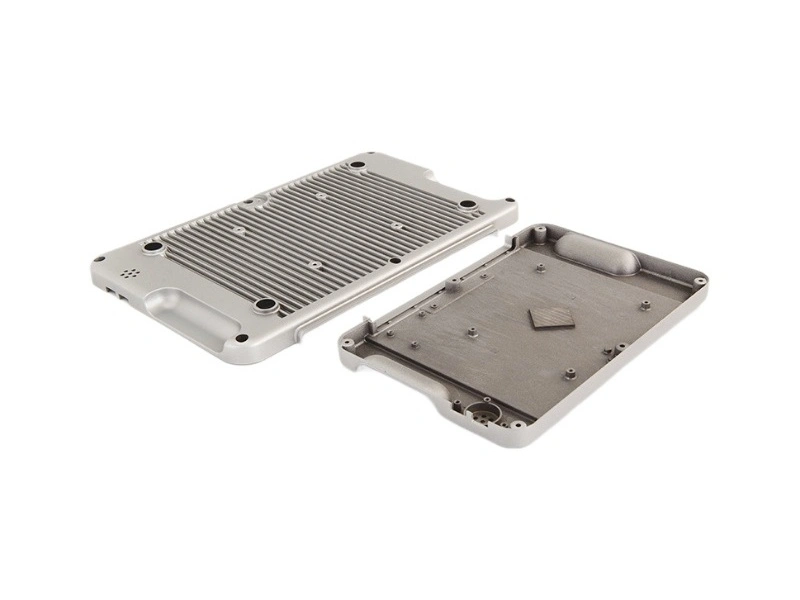
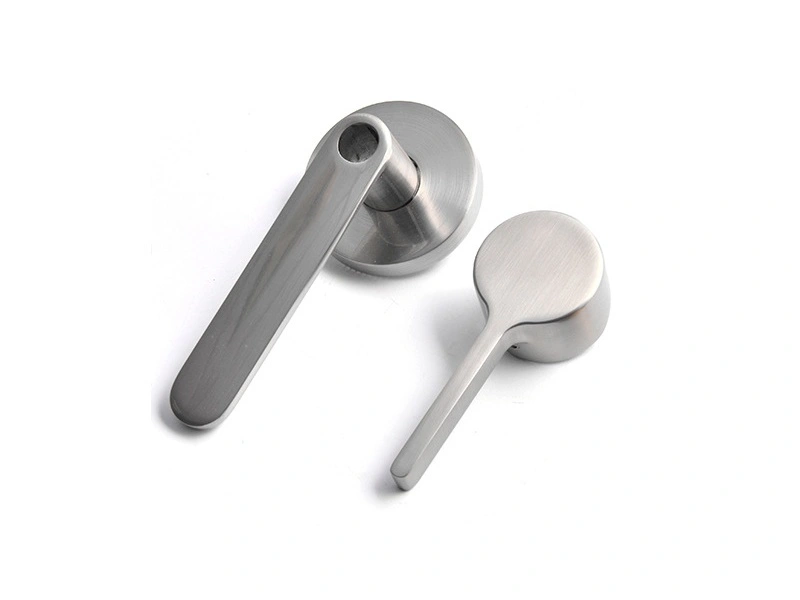
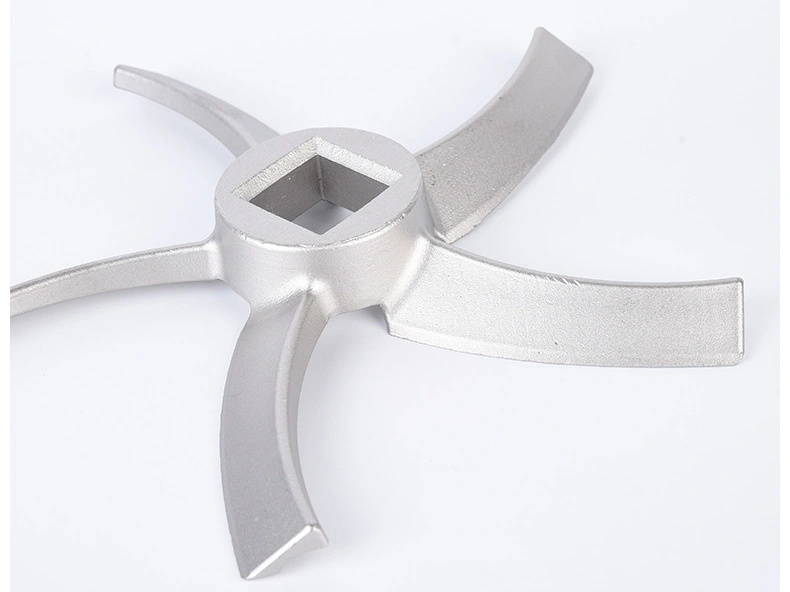
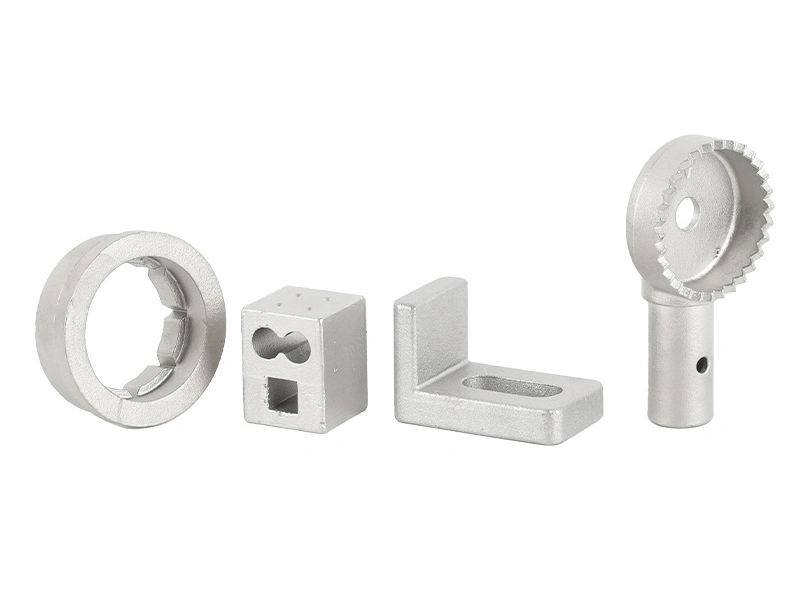
Zamak casting is used to produce small precision metal parts, hardware components, decorative parts, appearance parts, connectors, brackets, consumer product parts, automotive small parts, and industrial fittings. It is especially suitable when buyers need custom zinc die cast parts with good dimensional stability, complex details, smooth surface quality, and repeatable batch production.
For buyers, Zamak casting is often a practical choice when the part is relatively small, structurally complex, and appearance-sensitive. Compared with some other custom metal casting options, zinc die casting can support fine features, stable dimensions, decorative finishing, and efficient production for suitable part designs.
1. Common Applications of Zamak Casting
Application Area | Typical Parts | Why Zamak Casting Fits |
|---|---|---|
Small precision metal parts | Small housings, fittings, covers, clamps, and precision components | Supports stable dimensions and detailed geometry |
Hardware parts | Handles, locks, hinges, brackets, knobs, and fastening components | Good for small strong parts with decorative surface needs |
Decorative and appearance parts | Trim parts, visible covers, consumer product details, and decorative fittings | Supports plating, painting, coating, polishing, and good surface appearance |
Connectors and brackets | Small connectors, support brackets, positioning parts, and assembly components | Provides dimensional stability and repeatable assembly fit |
Automotive small parts | Interior hardware, trim parts, small brackets, and functional small components | Useful for complex small parts with surface and fit requirements |
Industrial fittings | Machine accessories, control parts, small housings, and durable fittings | Combines strength, detailed features, and batch production stability |
2. Why Zamak Casting Is Suitable for Small Complex Parts
Zamak casting is often selected for small parts because zinc alloys can reproduce fine details and stable shapes in die casting. This is useful for parts with bosses, ribs, small holes, decorative features, thin sections, and assembly details.
Part Requirement | How Zamak Casting Helps | Buyer Benefit |
|---|---|---|
Complex details | Forms small features and detailed geometry efficiently | Reduces secondary processing and assembly complexity |
Stable dimensions | Supports repeatable geometry across production batches | Improves assembly fit and inspection consistency |
Good surface quality | Provides a suitable base for plating, painting, polishing, or coating | Improves final product appearance and buyer acceptance |
Batch production | Die casting tooling supports repeatable production after approval | Helps reduce long-term unit cost when demand is stable |
3. How Tooling and CNC Machining Support Zamak Casting
Tooling for zinc die cast parts affects part shape, flow, venting, cooling, parting line, ejector marks, and dimensional repeatability. For functional features, CNC machining after zinc die casting can be used for precision holes, threaded holes, locating faces, mounting faces, and high-tolerance areas.
Process Area | Why It Matters | Buyer Benefit |
|---|---|---|
Die casting tooling | Controls part shape, surface quality, flow marks, flash, and production stability | Reduces trial risk and improves batch consistency |
CNC machining | Controls holes, threads, datums, mounting faces, and precision fit areas | Improves assembly accuracy and functional reliability |
Surface finishing | Supports plating, painting, coating, polishing, and decorative requirements | Improves appearance and product value |
4. Zamak Casting vs Aluminum Die Casting
Zamak casting is usually more suitable for small, detailed, precise, and appearance-focused parts. Aluminum die casting for lightweight parts is usually more suitable when the buyer needs lower weight, larger structural parts, heat dissipation, or lightweight housings.
Process | Best Fit | Buyer Decision |
|---|---|---|
Zamak casting | Small precision parts, hardware, decorative parts, connectors, and detailed components | Choose when detail, dimensional stability, and surface quality are important |
Aluminum die casting | Lightweight housings, larger structures, heat sink parts, and weight-sensitive components | Choose when weight reduction and thermal structure matter more |
5. Summary
Zamak Casting Is Used For | Main Value |
|---|---|
Small precision metal parts | Supports stable dimensions and detailed geometry |
Hardware parts | Provides strength, appearance, and repeatable production |
Decorative and appearance parts | Supports plating, painting, coating, and cosmetic finishes |
Connectors and brackets | Improves fit, assembly stability, and production consistency |
Automotive and industrial small parts | Suitable for durable, detailed, and batch-produced metal components |
In summary, Zamak casting is used for small precision metal parts, hardware, decorative parts, appearance parts, connectors, brackets, consumer product parts, automotive small parts, and industrial fittings. If buyers need small metal parts with stable dimensions, complex details, good surface quality, and batch production efficiency, Zamak casting is usually a suitable manufacturing choice.