What Should Buyers Confirm Before Starting Tooling?
What Should Buyers Confirm Before Starting Tooling?
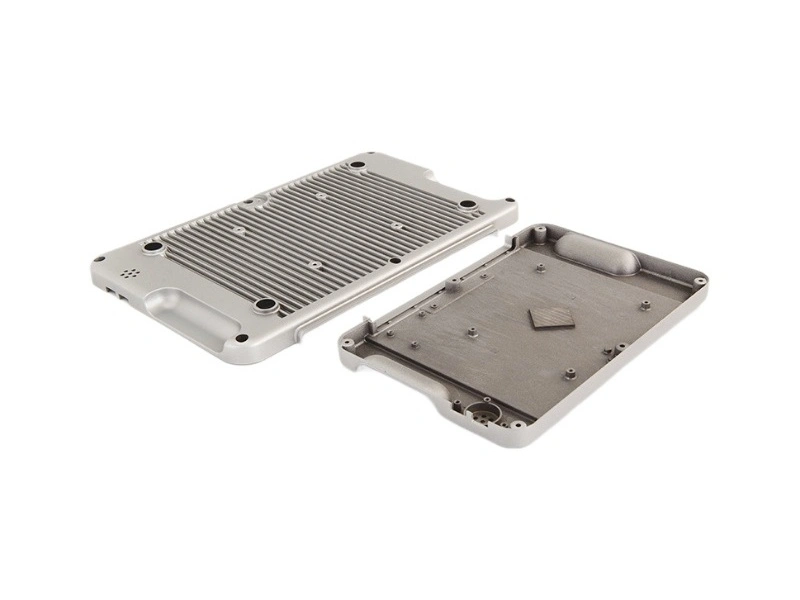
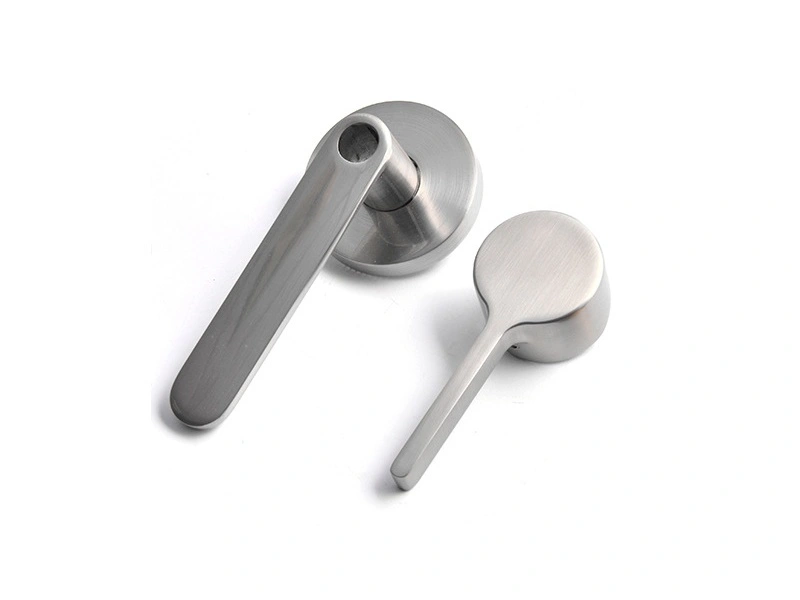
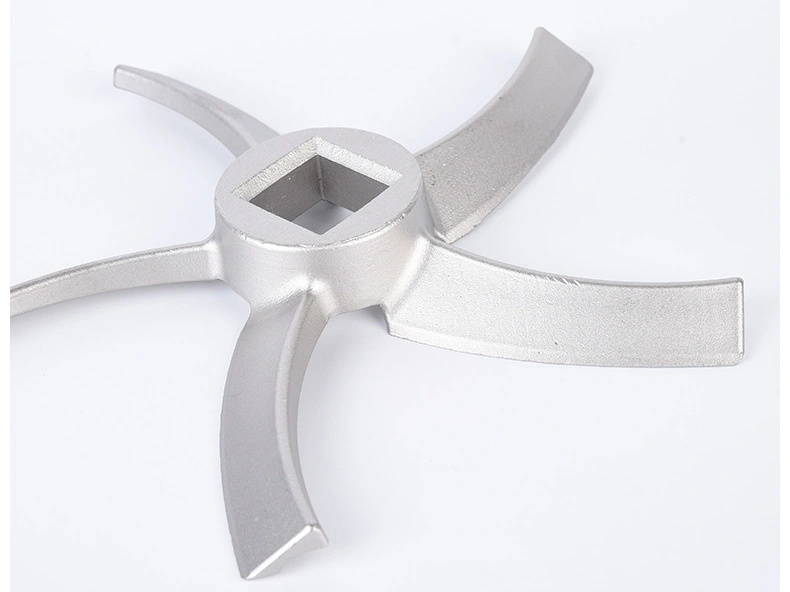
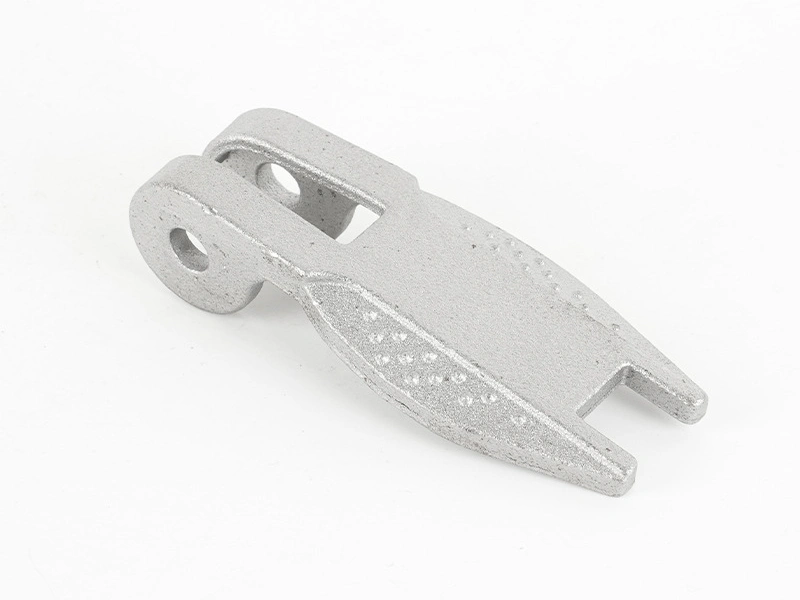
Before starting tooling, buyers should confirm the 2D drawing, 3D model, material requirements, annual demand, tolerance requirements, assembly requirements, critical dimensions, cosmetic surfaces, surface treatment requirements, CNC machining areas, use environment, prototype validation results, target cost, and mass production plan.
If these details are not confirmed before tool and die making begins, the project may face mold modification, sample failure, quotation changes, machining problems, surface finish disputes, and delivery delays. Tooling should begin only after the buyer and supplier clearly understand the part design, quality standard, production volume, and post-processing requirements.
1. Quick Tooling Checklist for Buyers
Buyer Should Confirm | Why It Matters Before Tooling | Risk if Missing |
|---|---|---|
2D drawing | Defines dimensions, tolerances, datums, threads, surface notes, and inspection points | Critical requirements may be missed during mold design |
3D model | Shows full geometry, wall thickness, ribs, bosses, cavities, and undercuts | Tooling complexity may be underestimated |
Material requirement | Material affects flow, shrinkage, tooling design, machining, and surface treatment | Late material changes may cause trial failure |
Annual demand | Volume affects mold material, cavity number, mold life, and cost strategy | Tooling may not match production needs |
Critical dimensions | Shows which dimensions affect assembly, sealing, fastening, or function | Wrong machining allowance or unstable inspection results |
CNC machining areas | Machined surfaces need allowance, datums, fixtures, tools, and inspection planning | Insufficient machining stock or higher rework cost |
2. Why Drawings, Models and Material Must Be Confirmed
Tooling is built around the final part geometry and material behavior. The 3D model shows the shape, while the 2D drawing defines the functional and inspection requirements. Material selection affects mold filling, shrinkage, cooling, cavity compensation, machining behavior, and surface treatment result.
Information | What It Controls | Tooling Impact |
|---|---|---|
3D model | Geometry, ribs, bosses, walls, openings, and undercuts | Controls cavity, core, slider, parting line, and ejection design |
2D drawing | Tolerances, datums, threads, surface notes, and critical dimensions | Controls machining allowance and inspection planning |
Material requirement | Flow, shrinkage, strength, hardness, and finishing compatibility | Controls gate, runner, venting, cooling, and cavity compensation |
Revision control | Confirms the latest approved design version | Prevents tooling based on outdated files |
3. Why Tolerances, Critical Dimensions and Assembly Requirements Matter
Buyers should confirm tolerance requirements and critical dimensions before tooling starts. Not every dimension needs tight tolerance, but holes, threads, sealing faces, datums, mounting areas, and assembly interfaces often require special control.
Requirement | Why It Matters | How It Affects Tooling and Post-Processing |
|---|---|---|
Critical dimensions | Define features that affect fit, function, or inspection acceptance | Help plan mold tolerance, machining allowance, and inspection method |
Assembly requirements | Show how the part connects with mating components | Help control holes, datums, mounting faces, and interference areas |
Sealing requirements | Sealing faces need flatness and roughness control | May require CNC machining after casting |
Functional tolerances | Prevent over-controlling non-critical dimensions | Reduces unnecessary tooling, machining, and inspection cost |
4. Why Cosmetic Surfaces and Surface Treatment Should Be Confirmed
Cosmetic surfaces and surface treatment requirements should be confirmed before tooling because they can affect gate position, parting line, ejector marks, polishing, coating, painting, plating, masking, and inspection. If cosmetic surfaces are not defined early, visible defects may appear in areas that are difficult to correct later.
Surface Requirement | Why It Affects Tooling | Buyer Should Confirm |
|---|---|---|
Cosmetic surfaces | Visible areas should avoid obvious gate marks, ejector marks, and parting lines when possible | Marked cosmetic areas and acceptable defect standard |
Surface treatment | Painting, coating, polishing, or plating may require surface preparation and masking | Finish type, color, coating thickness, and inspection rules |
Functional surfaces | Coating or flash may affect assembly, contact, sealing, or electrical function | Masked areas, machined areas, and tolerance requirements |
Appearance sample | Provides a clear surface quality target | Reference sample or photos for final finish expectations |
5. Why CNC Machining Areas Should Be Confirmed Before Tooling
Many die cast parts need CNC machining after die casting for holes, threads, sealing faces, datums, bearing bores, and mounting surfaces. These areas need enough machining allowance and stable fixture references. If they are not planned before tooling, the casting may not have enough stock for machining.
CNC Machining Area | Why It Should Be Confirmed Before Tooling | Risk if Ignored |
|---|---|---|
Mounting holes | Need accurate position and diameter for assembly | Hole mismatch or extra rework |
Threads | Need controlled depth, pitch, and strength | Fastening failure or post-sample changes |
Sealing faces | Need flatness, roughness, and enough cleanup stock | Leakage risk or insufficient machining allowance |
Datums | Control fixture setup, machining accuracy, and inspection | Unstable dimensions and measurement disputes |
6. Why Prototype Validation and Production Plan Matter
If the design is new, complex, or not fully proven, prototype validation before tooling can reduce risk. Buyers should also confirm target cost and mass production plan, because tooling strategy depends on production volume, mold life requirement, cavity number, and long-term unit cost target.
Project Information | Why It Matters | Tooling Decision Impact |
|---|---|---|
Prototype validation result | Shows whether design, assembly, and material have been tested | Reduces design changes after tooling starts |
Use environment | Temperature, load, corrosion, vibration, and handling affect material and finish | Helps choose tooling and post-processing strategy |
Target cost | Cost target affects cavity number, machining, finishing, and production route | Helps balance tooling investment with unit cost |
Mass production plan | Long-term demand affects mold material, tool life, and production capacity | Helps design tooling for the right production level |
7. Summary
Before Starting Tooling, Buyers Should Confirm | Purpose |
|---|---|
2D drawing and 3D model | Confirm geometry, dimensions, tolerances, and manufacturability |
Material requirements | Control flow, shrinkage, machining, surface treatment, and production quality |
Annual demand and production plan | Choose suitable mold material, cavity number, and tooling strategy |
Critical dimensions and tolerances | Plan machining allowance, inspection, and functional control |
Cosmetic surfaces and surface treatment | Reduce visible defects, finishing disputes, and coating problems |
CNC machining areas | Ensure enough stock, stable datums, and accurate finished features |
Prototype validation results | Reduce design changes, sample failure, and mold modification |
In summary, buyers should confirm drawings, material, tolerances, critical dimensions, cosmetic surfaces, surface treatment, CNC machining areas, use environment, prototype validation, target cost, and mass production plans before starting tooling. Clear information helps reduce mold modification, sample failure, quotation changes, lead time delays, and production risk.