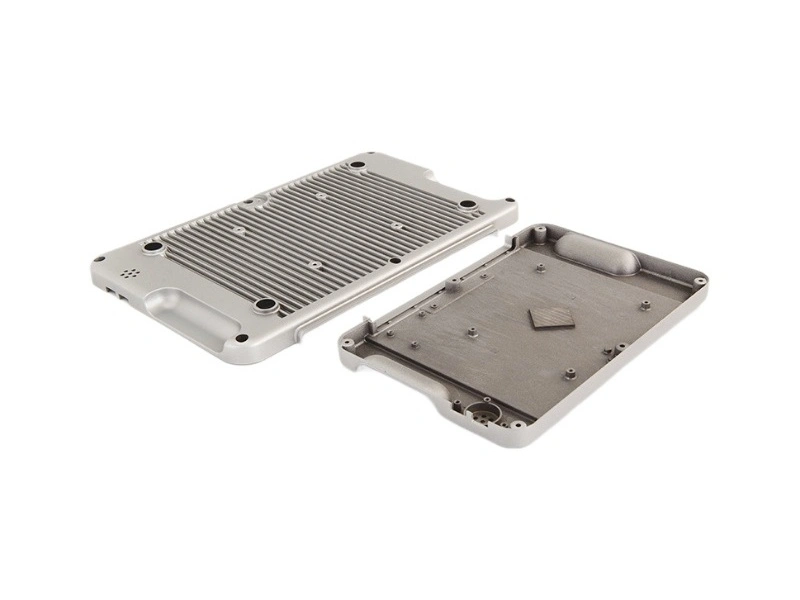
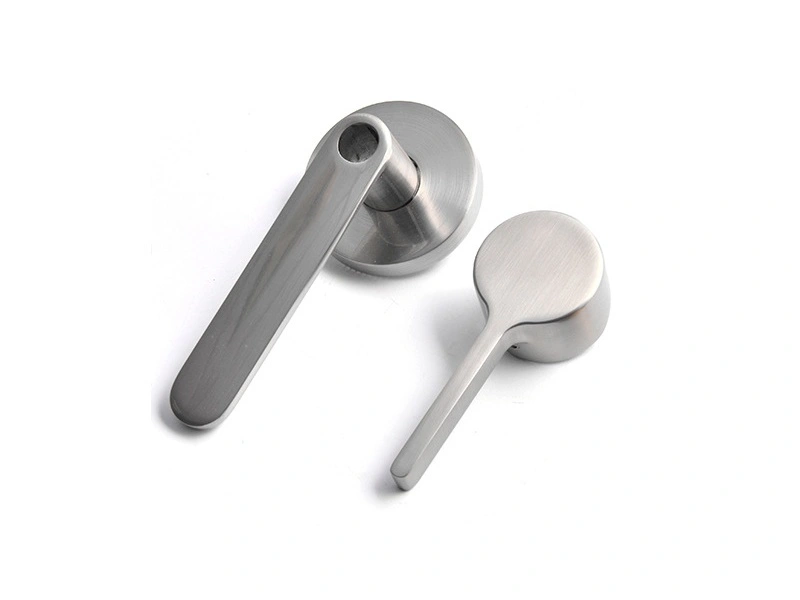
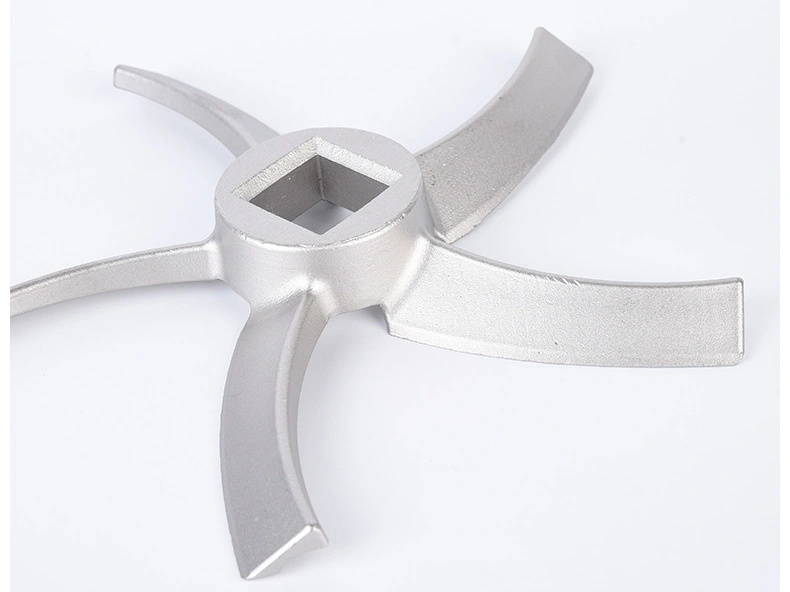
What Should Buyers Confirm for Zinc Die Casting Components Used in Hinges, Locks and Connectors?
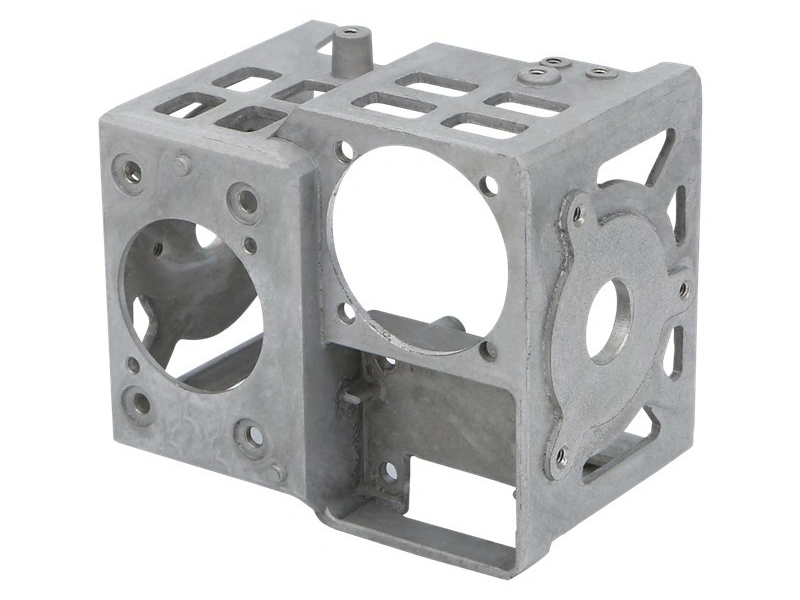
What Should Buyers Confirm for Zinc Die Casting Components Used in Hinges, Locks and Connectors?
Buyers should confirm fit, movement, wear areas, hole position, thread quality, plating thickness, burr control and functional testing when zinc die casting components are used in hinges, locks and connectors. These components often combine appearance, precision and repeated-use requirements.
1. Why Hinges, Locks and Connectors Need Application-Specific Review
Hinge components, lock components and connector shells are not simple zinc castings. They usually need repeated movement, tight fit, controlled holes, surface protection, decorative appearance and stable assembly. A part may pass visual inspection but still fail if the hinge binds, the lock feels rough, the connector hole position is unstable or plating thickness changes the fit.
For these applications, buyers should evaluate the component based on actual function, not only based on casting feasibility.
Application | Critical Concern | Manufacturing Control |
|---|---|---|
Hinge component | Coaxiality, rotation clearance and smooth movement. | CNC machining, datum control and fit test. |
Lock component | Strength, wear resistance, thread quality and security fit. | Alloy selection, burr control and inspection. |
Connector shell | Hole position, sealing, insert fit and shielding performance. | Precision casting, machining and surface control. |
Decorative hardware | Visible surface, plating quality and scratch protection. | Finishing control and packaging protection. |
Moving component | Burrs, friction, clearance and repeated-use feel. | Deburring, post-machining and trial assembly. |
2. What to Confirm for Hinge Components
For zinc die casting components used in hinges, buyers should confirm hinge hole position, coaxiality, rotation clearance, wear areas, burr control and movement feel. The hinge should not bind after surface finishing, and the assembly should remain stable after repeated opening and closing.
Post-machining and CNC machining for zinc connector components can help control holes, bores and mating surfaces where as-cast accuracy is not enough.
3. What to Confirm for Lock Components
For zinc die cast lock components, buyers should confirm strength, thread quality, sliding fit, burr control, plating thickness, wear resistance and functional testing. Locks often include small moving features, mating surfaces and user-contact areas, so both function and appearance must be stable.
Neway’s experience with lock system metal casting supply can help buyers understand how die casting, machining, finishing and assembly planning work together for lock-related parts.
4. What to Confirm for Connector Components
Connector components may require stable hole position, insert fit, sealing surfaces, EMI shielding, plating control and dimensional stability. If hole position or sealing areas are not controlled, the connector may fail during assembly or final use. If coating thickness is not planned, clearances can change after finishing.
Buyers should also confirm whether the part requires post-processing, plating, painting, masking, trial assembly or final packaging protection.
Validation Item | Why It Matters | Recommended Check |
|---|---|---|
Hole position | Affects hinge, lock or connector alignment. | CNC machining and dimensional inspection. |
Burr control | Affects movement, insertion and user handling. | Deburring, tumbling or edge inspection. |
Plating thickness | May reduce moving clearance or connector fit. | Coating thickness review and finished-part test. |
Functional testing | Confirms repeated-use performance. | Trial assembly, motion check and fit check. |
Packaging protection | Prevents scratches on visible finished surfaces. | Protective packaging and handling standard. |
5. Why Assembly Testing and Packaging Are Important
Hinges, locks and connectors often need final assembly testing because the user experience depends on movement, fit and surface quality. Neway can support assembled zinc die casting components, helping buyers check whether parts can be used in the final product before shipment.
For decorative or plated parts, packaging should protect visible surfaces from scratches, collision and handling damage. This is especially important for lock systems, hinge covers, connector housings and other components with customer-facing surfaces.
Summary
Application | Buyer Should Confirm |
|---|---|
Hinge components | Coaxiality, rotation clearance, burr control and movement testing. |
Lock components | Strength, wear areas, thread quality, plating thickness and functional feel. |
Connector components | Hole position, sealing, insert fit, EMI shielding and surface control. |
Decorative hardware | Visible surface quality, finishing consistency and packaging protection. |