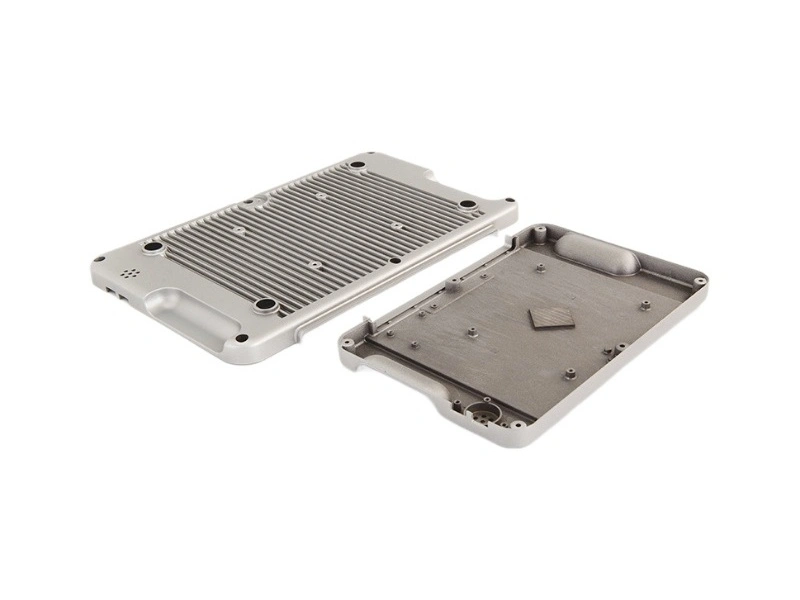
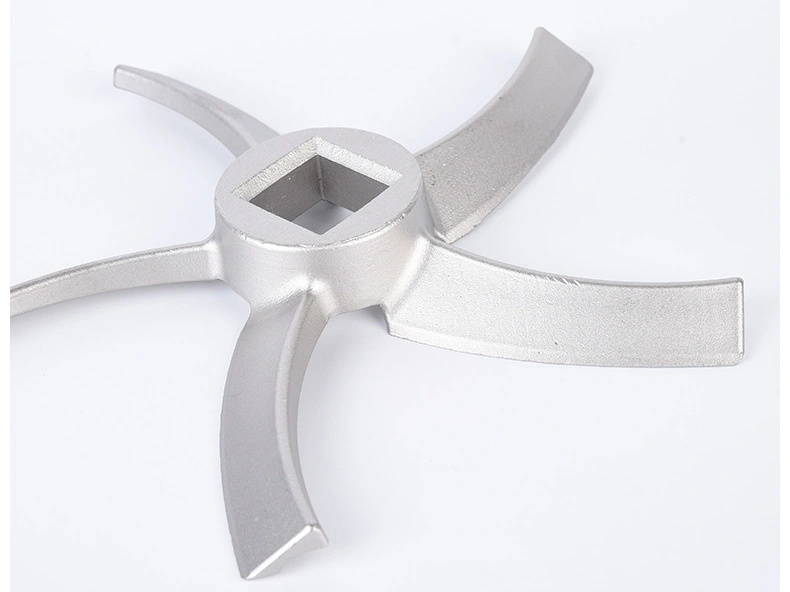
What Surface Finishes Can Be Applied to Zamak Die Castings?
Zamak die castings can be tumbled, vibratory finished, polished, blasted, painted, powder coated, electroplated or given conversion/passivation treatments as part of a specified finish system. The correct choice depends on appearance, corrosion exposure, wear, electrical contact, dimensional allowance and cost. No finish should be expected to hide cold shuts, pits, blisters or unstable porosity in the casting.
Choose the finish by function
Finish selection starts with what the delivered component must do. A furniture handle may need a bright decorative metal appearance and resistance to handling. An internal bracket may need only clean edges and temporary protection. A connector shell may combine corrosion protection, conductivity at selected contacts and paint-free grounding zones. These parts should not receive the same specification simply because they use Zamak.
Finish family | Useful application | Main controls |
|---|---|---|
Tumbling or vibratory finishing | Deburring and evening the texture of non-critical surfaces | Edge rounding, media marks, retained compound and feature damage |
Polishing or controlled blasting | Preparing a defined visual texture or decorative substrate | Material removal, exposed porosity, directionality and protected details |
Liquid paint | Color, branding and barrier protection with localized masking | Cleaning, pretreatment, adhesion, cure, film build and color standard |
Powder coating | Durable colored film on suitable housings and hardware | Cure exposure, edge coverage, Faraday areas, threads and mating fits |
Electroplating | Bright decorative metal appearance, wear surface or specified contact stack | Substrate quality, preparation, multilayer stack, rack contact and test method |
Conversion/passivation system | Functional pretreatment or corrosion-control layer where specified | Chemistry, compatibility with later coating and exposure requirement |
Mechanical preparation changes the part
Tumbling can remove small burrs and soften trim edges economically, but it may round lettering, peen thin features or alter a sharp cosmetic break. Polishing can create a bright substrate for plating, yet aggressive polishing changes contour and may uncover subsurface pores. Blasting produces a matte texture but can embed media or create uneven appearance on differently oriented surfaces.
Specify which surfaces receive each operation and which features must be protected. Use limit samples for texture and edge condition. Measure critical geometry after preparation if stock removal can affect it. The catalog of post-processing services establishes available process families; the drawing and control plan establish the actual route.
Painting and powder coating
Liquid painting offers broad color and appearance options and can suit complex masking. The process needs clean, compatible pretreatment and a cure schedule that the casting and any inserts can tolerate. Film build must be accounted for on bores, clip slots, grounding points and threads. Define the color reference, gloss range, texture, permitted orange peel and inspection lighting rather than relying on "black paint" as a complete requirement.
Powder coating can provide a durable, relatively thick colored film. Thickness is useful for coverage but risky at fits and small recesses. Electrostatic application can leave low build in shielded corners and high build at edges. Masking, hanging orientation, cure exposure and rework limits should be approved on representative castings.
Decorative and functional plating
Zamak is commonly used beneath decorative plating because a controlled casting can be polished to an attractive surface. The delivered system may contain several preparation and metal layers; the exact stack should be selected by the finisher for the appearance, wear, corrosion and regulatory requirements. A finish name such as "chrome" is incomplete without layer requirements, appearance standard and testing.
Plating tends to reveal rather than forgive poor substrate control. Pits, cold laps, trapped polishing compound and porosity can produce blisters or visible defects. Gate trimming and part handling also matter because damage before plating remains under the final stack. For production planning, review how plating-ready Zamak castings are controlled.
Design rack, mask and cosmetic zones before tooling
Every finish needs handling. Rack or hook contacts leave witnesses; masking creates boundaries; polishing needs access; hanging orientation influences drainage and appearance. Put these locations on non-visible, non-sealing and non-contact surfaces where possible. If the die consumes all hidden space with gates and ejectors, the finishing supplier may have nowhere acceptable to hold the part.
Mark A, B and C appearance zones and define viewing conditions. State whether flow lines, minor sink, gate witness or ejector marks are permitted in each zone. A signed physical limit sample is often more reliable than adjectives such as "premium." Keep it under revision control and ensure production inspectors use the same reference.
Validate the complete finish system
Inspection should match failure mode. Film thickness checks help protect dimensions; adhesion testing evaluates bond; color and gloss instruments support appearance; corrosion exposure tests evaluate a specified system under a cited method. None of these results automatically predicts service life. Test duration, scribe condition, evaluation criteria and sample preparation must be written into the agreement.
Run validation on parts made by the intended casting, trimming and preparation route. Include assembled interfaces where fasteners, seals, grounding contacts or mating materials disturb the finish. Measure critical fits after coating. For outdoor, skin-contact or regulated products, provide the relevant exposure and substance requirements rather than expecting a generic zinc finish to cover them.
RFQ inputs for finished Zamak parts
Send the alloy and material standard, cosmetic map, finish name and stack if already mandated, color/texture reference, exposure, mating materials, masked areas, coating-sensitive dimensions and validation methods. State annual demand and packaging expectations because visible plated parts can be damaged after inspection.
Ask the supplier to identify surface preparation, rack points, masking, expected film allowance, inspection stage and rework restrictions. The right finish is the least complicated qualified system that meets the actual appearance and environment without disrupting assembly. Casting quality, preparation and finish must be developed together.