What Surface Finishes Can Be Applied to Zinc Alloy Die Castings?
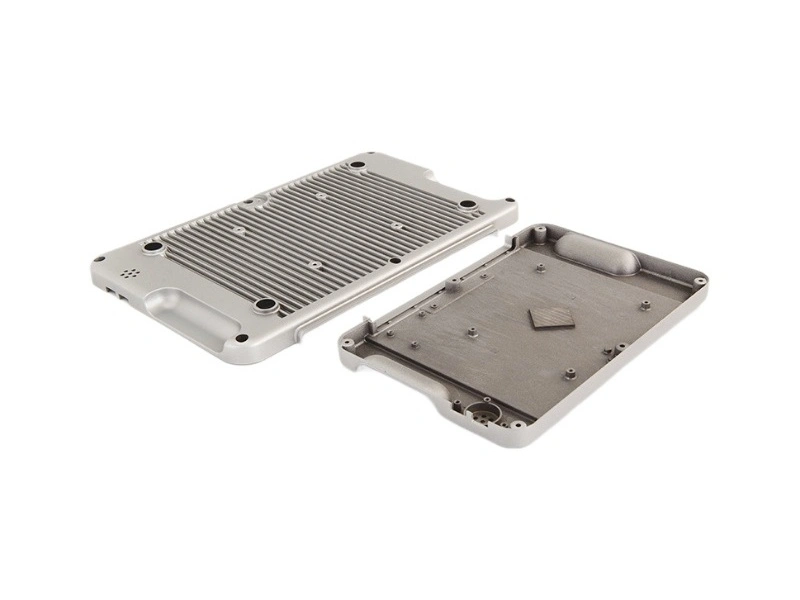
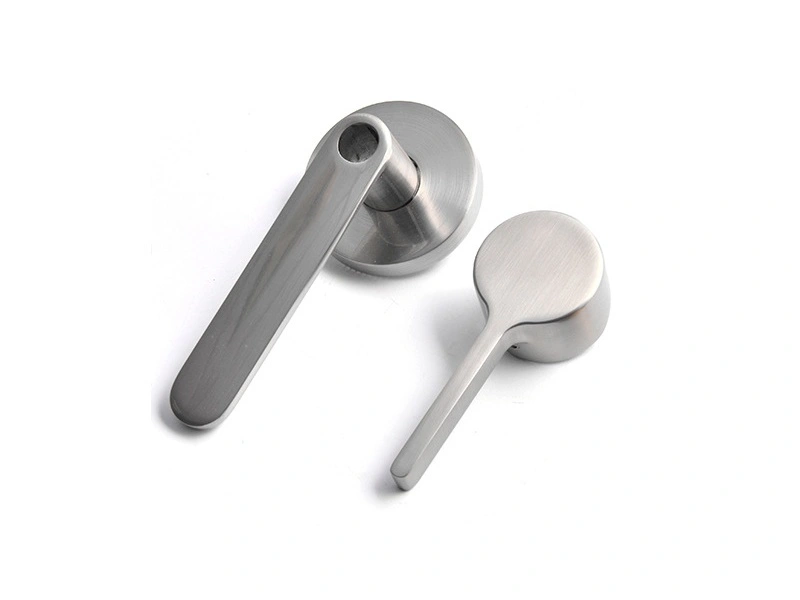
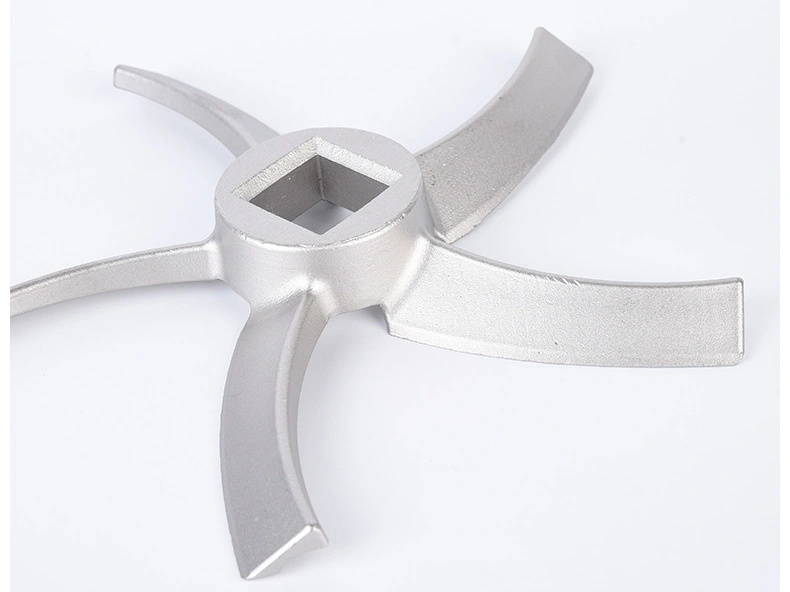
Zinc alloy die castings can be tumbled, vibratory finished, blasted, polished, plated, painted, powder coated or treated with a specified conversion/passivation system. These operations do different jobs. Tumbling and polishing change the substrate; plating creates a metallic layer stack; paint and powder add organic protection and color; conversion treatments support corrosion control or coating preparation. Select by service and appearance, not from a generic finish menu.
No finish turns a defective casting into a sound one. Cold shuts, pits, pores, parting mismatch, blisters and deep polish damage may remain visible or worsen under reflective plating. The finishing route must be developed with the zinc alloy, cavity condition, gate/ejector zones and approved cosmetic standard. The zinc surface-finishing guide provides a broader comparison.
Prepare the substrate without damaging detail
Trimming and deburring remove feed-system and flash evidence. Tumbling can soften edges and improve handling on suitable small parts, while blasting creates texture or prepares a surface. Polishing can develop a bright decorative substrate. Each process also removes or moves material, so protect datum pads, sealing edges, lettering, small radii and thin details.
Cleaning must remove lubricant, polishing compound and handling contamination before coating. Recesses, blind holes and threads can retain chemistry or media. Specify cleanliness and drying where trapped residue affects corrosion, assembly or appearance. Mechanical preparation samples should come from representative production cavities, not separately machined display pieces.
Use plating for a defined metallic system
Decorative zinc hardware often uses an engineered layer system that may include copper, nickel, chromium or other specified deposits. Functional plating can target corrosion, wear, conductivity or appearance. The buyer must name the required system or performance and allow the finisher to design suitable pretreatment and layer control for zinc substrate.
Rack contact, current density, edge buildup and recess coverage affect results. Barrel processing may suit some small parts that tolerate contact, but it adds part-to-part impact and handling considerations. Define visible faces, contact marks, thickness or grade where relevant, color/gloss range and inspection lighting. A bright top layer can magnify substrate pits rather than conceal them.
Finish route | Best used for | Approval evidence |
|---|---|---|
Tumbling or blasting | Deburr, texture or coating preparation | Edge/detail limits, cleanliness and visual sample |
Polishing | Smooth or bright decorative substrate | Profile preservation and approved pre-plate surface |
Decorative plating | Metallic appearance and specified protection | Layer system, appearance limits, adhesion and exposure test |
Functional/selective plating | Wear, contact, conductivity or local corrosion need | Mask map, thickness/grade and functional measurement |
Paint or powder coating | Color, texture and organic protection | Pretreatment, cure, adhesion, coverage and color standard |
Conversion/passivation | Specified corrosion route or coating preparation | Chemistry, coating compatibility and named exposure criteria |
Plan paint and powder around fit and cure
Paint and powder coating can provide color, gloss or texture and a protective barrier. Performance depends on cleaning, pretreatment, coating material, cure, edge coverage and service environment. Confirm that cure temperature and time are suitable for the casting and any installed components.
Coating adds thickness. Mask threads, bearing contacts, electrical points and close fits as required, or adjust the design and final machining sequence. Overspray inside holes or across a datum can cause assembly failure even when the visible face passes color inspection. Measure dimensions in the condition specified on the drawing.
Match tests to real service
Use adhesion, thickness, color/gloss, corrosion, wear, cleaner-resistance or electrical tests only where they answer a product question. Name the method, conditioning, sample location, exposure and acceptance. Salt spray is one accelerated corrosion method; it does not reproduce every outdoor cycle, fingerprint, detergent, abrasion or galvanic joint.
Approve a visual limit sample under documented light, distance and orientation. Separate primary, secondary and concealed zones. Define allowed gate, ejector, rack and contact marks. Packaging trials matter for reflective parts because abrasion or chemical transfer during transport can reject an otherwise acceptable finish.
Assign casting, preparation and finishing responsibility
When different suppliers cast, polish and plate the part, the purchase documents must say who accepts the substrate and who investigates defects found later. A blister may originate from trapped contamination, casting porosity, poor preparation or the finish process. A pit may be present in the casting or created by aggressive polishing. Without cavity, lot and operation traceability, the buyer pays for argument instead of correction.
Establish inspection gates after trimming, after preparation and after the complete finish. Use early checks only for defects that predict downstream rejection; retain final tests for coating conditions that do not exist earlier. The zinc die-casting process and finish supplier should share the same visual zones, limit samples and revision.
Send finish requirements before tooling
The RFQ should identify zinc grade, visible zones, finish system, color/texture, corrosion and wear environment, contact areas, mask map, dimensions after finish, cosmetic limits and packaging. Ask who controls polishing, plating or coating and how casting defects discovered downstream are traced to cavity and lot.
Include any restricted-substance, cleaner-contact or product-regulatory requirement that actually applies, with the controlling document. Avoid broad claims that a coating is environmentally compliant or corrosion proof. The supplier can only quote and validate requirements that have a named scope and acceptance method.
Validate the full production route using representative cast surfaces. A plated machined coupon cannot qualify a die-cast recess, parting line or polished edge. Changes to alloy, cavity repair, polishing media, plating line, layer stack, paint or pretreatment need risk review and, where relevant, renewed appearance and performance evidence.