When Should Buyers Choose Zinc Die Casting Parts Instead of Aluminum Parts?
When Should Buyers Choose Zinc Die Casting Parts Instead of Aluminum Parts?
Buyers should choose zinc die casting parts instead of aluminum parts when the part is small, detailed, dimensionally stable, appearance-sensitive and suitable for medium to high volume production. Zinc is often a strong option when the part needs complex small features, good surface quality, plating, painting, coating and reduced secondary machining on small components.
Buyers should choose aluminum die cast parts when lightweight structure, heat dissipation, larger size or weight-sensitive performance is more important. The decision should be based on part size, detail, weight, appearance, surface treatment, tooling and total production cost, not only material price.
1. When Zinc Die Casting Is the Better Choice
Buyer Requirement | Why Zinc Die Casting Fits | Typical Parts |
|---|---|---|
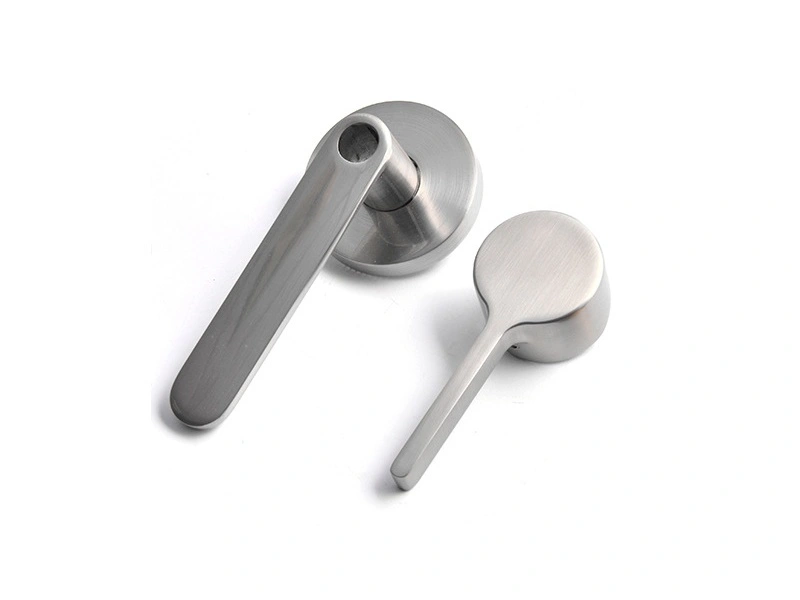
Small part size | Zinc is suitable for small detailed metal parts | Connectors, hardware parts, knobs, locks and small housings |
Complex details | Fine features can be formed efficiently by tooling | Decorative covers, small brackets and assembly components |
High dimensional stability | Useful for repeatable assembly and small precision parts | Precision brackets, small mechanical fittings and lock parts |
Good appearance surface | Supports plating, painting, coating and decorative finishing | Consumer product components and visible hardware parts |
Reduced machining on small parts | The casting can form many details directly | Parts where only holes or threads need local machining |
2. When Aluminum Parts Are the Better Choice
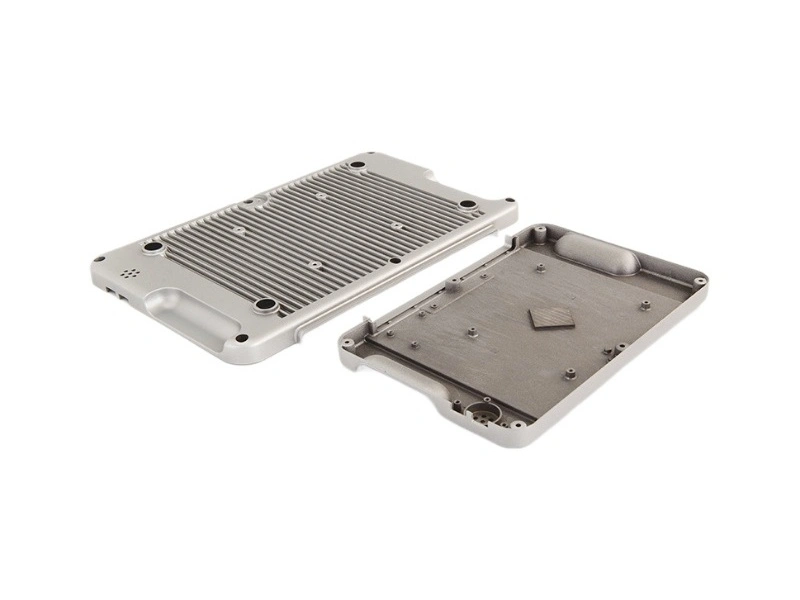
Aluminum die casting is usually better when the part needs lower weight, larger structure, heat dissipation or automotive, lighting and electronic housing applications. Aluminum is often selected when weight reduction is a primary performance requirement.
Buyer Requirement | Why Aluminum Fits | Typical Parts |
|---|---|---|
Lightweight structure | Aluminum is more suitable when weight is a major design target | Automotive housings, brackets and portable equipment parts |
Heat dissipation | Aluminum is commonly used for thermal structures | Lighting housings, heat sink housings and electronic enclosures |
Larger die cast parts | Aluminum is often used for larger housings and structural parts | Covers, frames, pump bodies and industrial housings |
Weight-sensitive products | Lower weight may matter more than small-detail appearance | Automotive, electronics, lighting and mobile equipment parts |
3. Why Buyers Should Not Choose Only by Material Price
Material price is only one part of the decision. Custom metal casting cost also includes tooling, CNC machining, surface finishing, inspection, scrap risk and batch production stability.
Decision Factor | Why It Matters | Buyer Should Compare |
|---|---|---|
Part size | Zinc is often better for smaller detailed parts, while aluminum fits larger structures | Geometry and production volume |
Weight | Aluminum is usually better when lightweight performance is required | Product weight target and application |
Surface finish | Zinc often fits decorative small parts, while aluminum fits larger finished structures | Plating, coating, painting and cosmetic standard |
Tooling | Material choice affects mold design, parting line, cooling and production stability | Die casting tooling cost and risk |
Post-machining | Different materials and features affect machining time and inspection |
4. When Copper Die Casting May Also Be Reviewed
If the part needs conductivity, heat transfer, wear resistance or special functional performance, copper die casting for functional parts may also be reviewed. Copper alloy is usually selected when function justifies the higher material and manufacturing cost.
5. Summary
Choose Zinc Die Casting When | Choose Aluminum Die Casting When |
|---|---|
The part is small and detailed | The part needs lightweight structure |
The part needs high dimensional stability | The part needs heat dissipation |
The part needs good appearance or decorative finishing | The part is larger or weight-sensitive |
The part needs reduced machining on small features | The part is an automotive, lighting or electronic housing |
In summary, buyers should choose zinc die casting parts instead of aluminum parts when the part is small, detailed, dimensionally stable, appearance-sensitive and suitable for plating, painting or coating. Aluminum is usually better when the part needs lightweight structure, heat dissipation or larger geometry. Buyers should compare part function, size, weight, appearance, tooling, machining and total cost together.