When Should Buyers Choose Zinc Instead of Aluminum for Compact Parts?
When Should Buyers Choose Zinc Instead of Aluminum for Compact Parts?
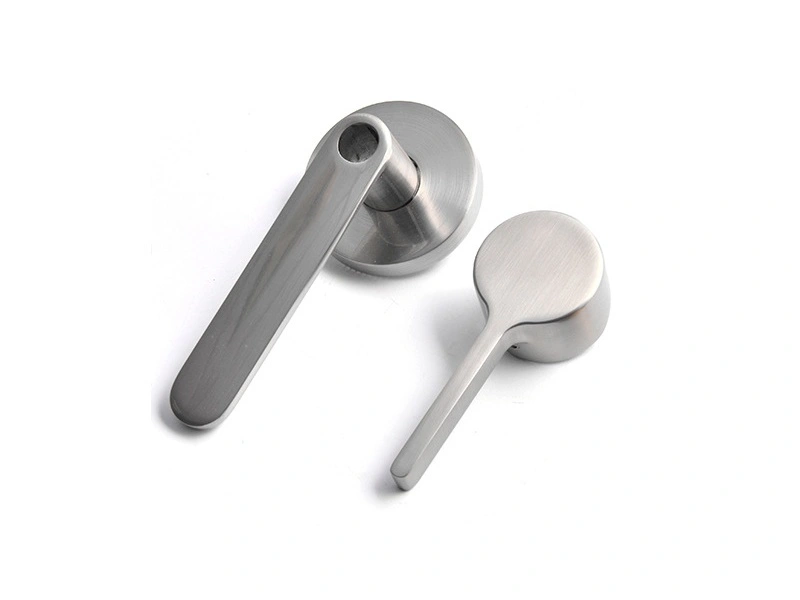
Buyers should choose zinc die casting for compact parts when the part is small, has many fine details, needs high appearance quality, requires plating or coating, needs good dimensional stability, should reduce machining work on complex small features and does not treat weight reduction as the first priority.
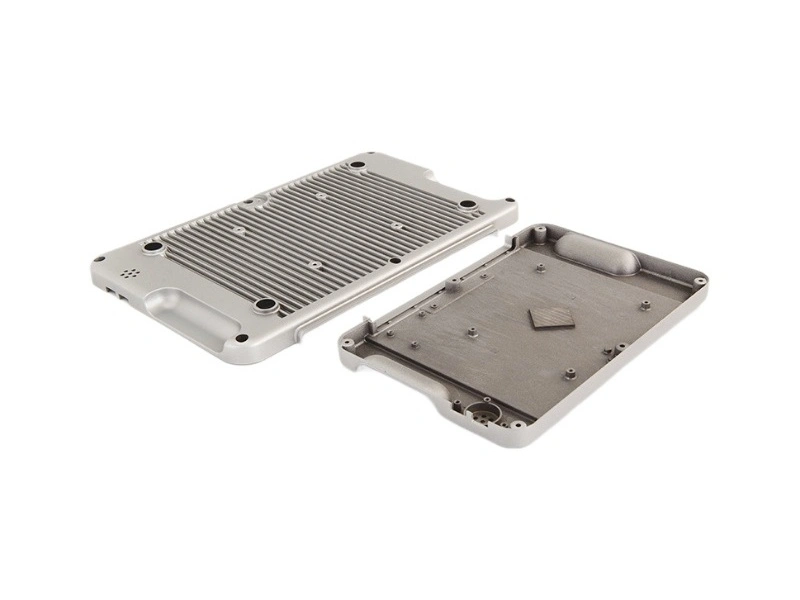
Aluminum may be better when the part needs lightweight structure, heat dissipation, larger housings, structural covers or weight-sensitive performance. Buyers should compare zinc and aluminum based on part size, details, weight, appearance, surface treatment, tooling and long-term production cost, not only material price.
1. When Zinc Is More Suitable for Compact Parts
Project Requirement | Why Zinc Fits | Buyer Benefit |
|---|---|---|
Small part size | Zinc die casting is suitable for compact detailed components | Improves small feature repeatability |
Many fine details | Fine features can often be formed with good definition | Reduces excessive machining on small details |
High appearance requirements | Zinc parts are often used for decorative and visible components | Supports cosmetic quality control |
Plating or coating required | Surface finishing can support decorative and protective functions | Improves final product value |
Weight is not first priority | Zinc is denser than aluminum, so it is better when compact detail matters more than weight | Avoids choosing aluminum only for material price or habit |
2. When Aluminum May Be More Suitable
Aluminum die casting supplier support may be more suitable when the part needs lightweight structure, heat dissipation, larger housings, structural covers or weight-sensitive performance.
Project Requirement | Why Aluminum May Fit Better | Buyer Benefit |
|---|---|---|
Lightweight design | Aluminum is often selected for lower weight structures | Reduces finished product weight |
Heat dissipation | Aluminum is often used for housings and thermal structures | Supports thermal performance |
Larger housings | Aluminum is commonly used for larger structural or enclosure parts | Improves weight and structure balance |
Weight-sensitive products | Aluminum may be preferred when weight is a key design requirement | Improves product usability and performance |
3. Compare Total Manufacturing Cost
Buyers should compare material, tooling, machining, finishing, inspection and batch production cost. A custom metal casting review helps determine whether zinc or aluminum is more economical for the actual part.
Cost Factor | Why It Matters | Buyer Should Review |
|---|---|---|
Tooling cost | Part size, details and production volume affect mold investment | Die casting tooling complexity |
Machining cost | Small features, holes and threads may need local CNC machining | |
Surface treatment cost | Plating, coating and cosmetic requirements can affect total cost | Appearance and finishing standards |
Batch production cost | Stable repeat orders can justify tooling and process optimization | Long-term production stability |
4. Consider Other Functional Material Routes
For compact parts requiring conductivity, thermal function or wear resistance, copper die casting for functional parts may also be considered. Material selection for die cast parts should match function, size, weight, appearance and production volume.
5. Summary
Choose Zinc When | Choose Aluminum When |
|---|---|
The part is small and detailed | The part needs lightweight structure |
The part needs high appearance quality | The part needs heat dissipation |
The part needs plating or coating | The part is larger or weight-sensitive |
The part needs stable compact features | The part is a housing, cover or structural component |
In summary, buyers should choose zinc instead of aluminum for compact parts when fine details, appearance, dimensional stability and surface treatment matter more than lightweight performance. The best choice should be based on function, size, weight, tooling, machining and long-term production cost.