Which Products Are Best Suited for Zinc Die Cast Parts?
Which Products Are Best Suited for Zinc Die Cast Parts?
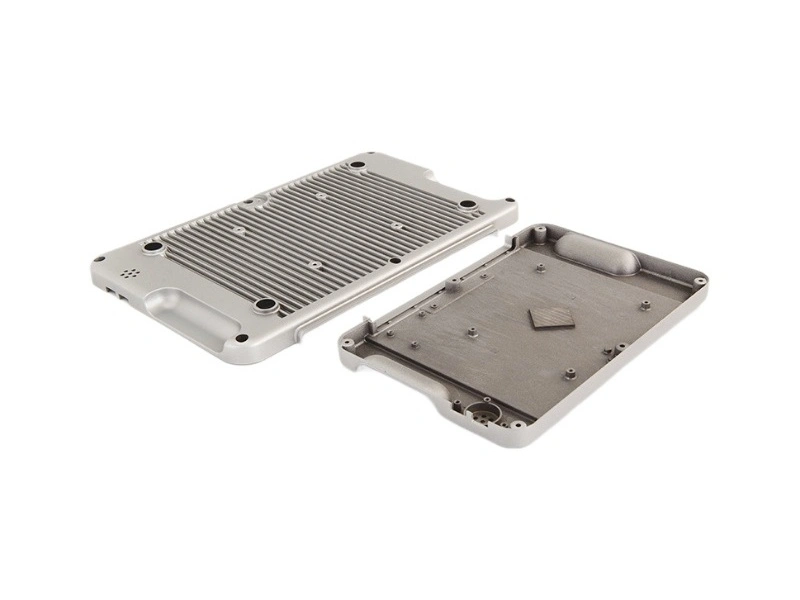
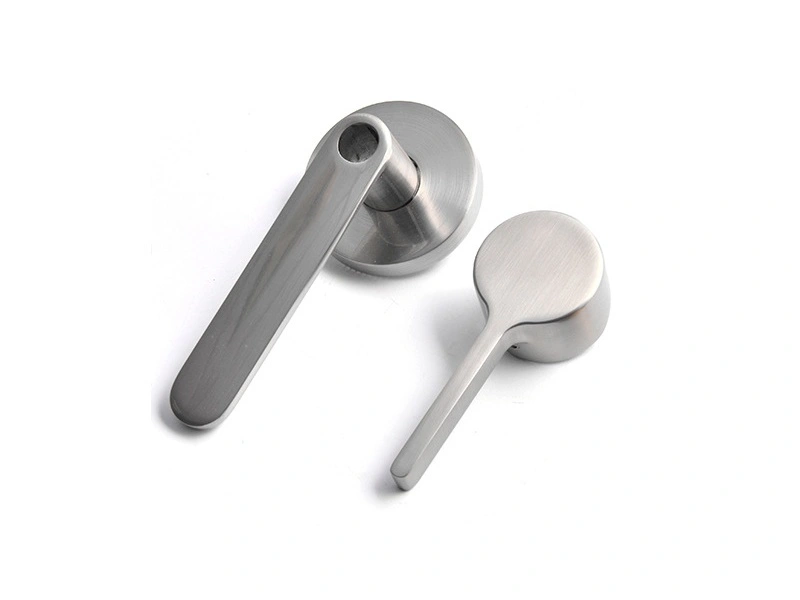
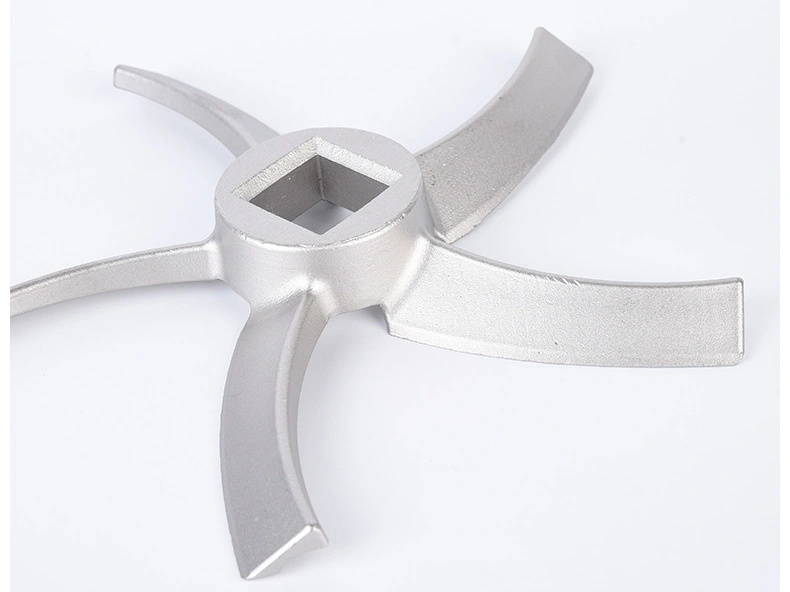
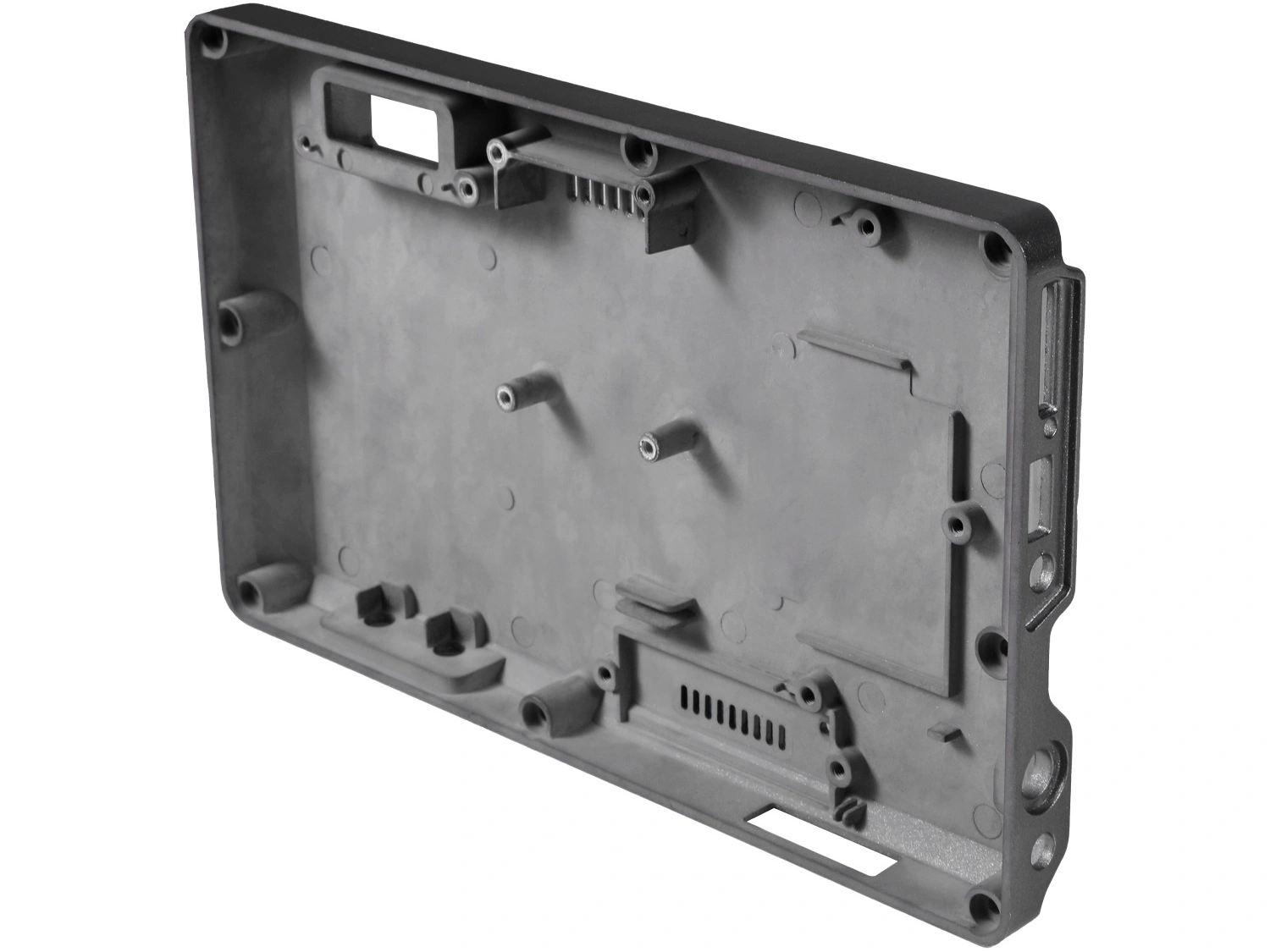
Zinc die cast parts are best suited for small to medium metal products that need complex shapes, fine details, stable dimensions, decorative finishes, good strength and high-volume repeatability. They are commonly used in hardware, locks, connectors, consumer products, electronic housings, decorative caps, small brackets and small mechanical parts.
1. Why Zinc Die Casting Fits Small Complex Metal Parts
Zinc alloys are suitable for parts that need fine details, logos, textures, thin walls and complex outside shapes. Compared with machining every feature from solid metal, zinc die casting can be more efficient when the product has stable demand and repeat production volume. It is also useful when plastic parts are not strong enough, but full CNC machining would be too expensive for long-term supply.
Buyers should consider zinc die casting when the part needs a metal feel, decorative surface, stable batch output and accurate small features. Common zinc alloys such as Zamak 3 and Zamak 5 can support different combinations of castability, strength, detail and dimensional stability.
Product Type | Why Zinc Die Casting Fits | Planning Concern |
|---|---|---|
Lock parts | Good strength, wear resistance and decorative surface potential. | Confirm alloy, functional testing and surface treatment. |
Connector shells | Stable dimensions and potential shielding support. | Control hole position, post-machining and inspection. |
Decorative caps | Supports fine detail, metal feel and plated appearance. | Plan visible surfaces, plating and packaging. |
Consumer housings | Provides metal texture and repeatable production quality. | Control painting, surface finish and protective packaging. |
Small brackets | Combines strength, shape flexibility and repeat production. | Define tolerances, load areas and inspection points. |
2. When Zinc Die Cast Parts Are Better Than Plastic or CNC
Zinc die cast parts can be a good choice when plastic parts do not provide enough strength, rigidity, metal appearance or plating quality. They can also be more suitable than full CNC machining when the product has complex geometry and repeat order demand. Once tooling is approved, zinc die casting can produce stable parts efficiently for larger quantities.
For decorative or consumer-facing products, zinc die casting can support surface finishing for zinc die cast parts, including painting, coating, plating-related preparation and other post-processing options.
3. When Zinc Die Casting May Not Be the Best Choice
Zinc die casting may not be the best option for very large parts, extremely lightweight structures or products exposed to very high temperature environments. In these cases, aluminum die casting, another casting process or machining may be more suitable. Buyers should also confirm annual quantity because tooling investment usually makes more sense when demand is stable.
If the part has a very low quantity requirement, prototype or low-volume methods may need to be reviewed before committing to zinc die casting tooling.
4. How Neway Helps Evaluate Product Suitability
Neway can review product size, geometry, surface requirements, assembly needs, annual volume and quality expectations to decide whether custom zinc die cast parts are suitable. For stable orders, Neway can also support mass production zinc die cast parts with tooling, casting, finishing, inspection and repeat production control.
Summary
Buyer Question | Recommended Answer |
|---|---|
What products fit zinc die casting best? | Small to medium metal products with complex shapes, details, decorative needs and stable volume. |
What industries often use zinc die cast parts? | Hardware, locks, connectors, consumer products, electronics and small mechanical assemblies. |
When should buyers be careful? | When the part is very large, extremely lightweight or exposed to high heat. |
What should buyers send Neway? | Drawings, application details, finish requirements, assembly needs and annual volume. |