Which Zinc Alloys Are Best for Die Casting Parts?
The best zinc alloy for a die-cast part depends on load, temperature, time under stress, geometry, impact or wear, dimensional timing, finish and the supplier's casting route. Zamak 3 is the usual general-purpose baseline. Zamak 5 is considered when added strength and hardness are useful, Zamak 7 when fluidity and ductility support delicate fill, Zamak 2 for higher strength, hardness or creep-resistance needs, and ZA-8 for a higher-aluminum mechanical-performance route.
These are selection directions, not automatic approvals. The drawing must identify the exact grade and governing standard. A supplier should not replace one Zamak grade or a Zamak grade with ZA-8 based only on price or availability. Use the Zamak alloy guide to start the discussion, then qualify the actual casting and finish.
Compare the alloys by the part risk
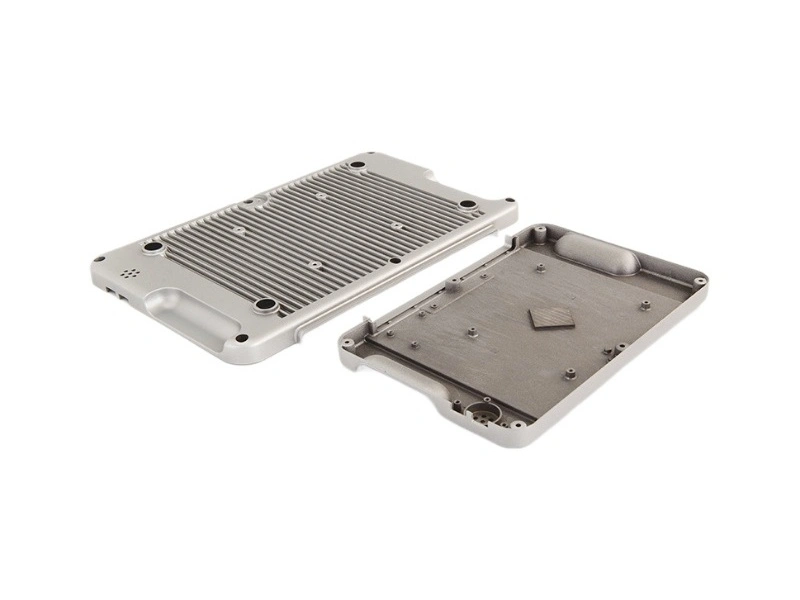
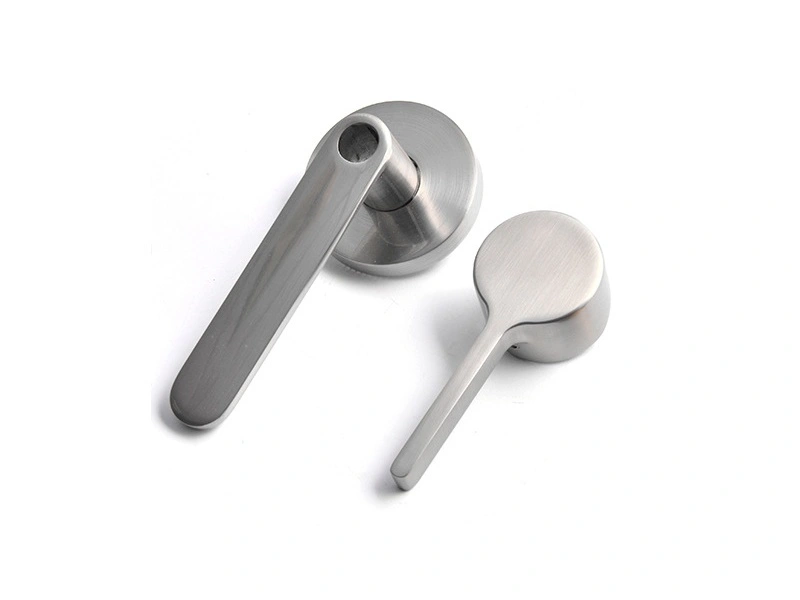
Zamak 3 is widely used for housings, handles, fittings and compact components needing established hot-chamber castability, dimensional performance and finishing compatibility. It is a sensible baseline when no specialized property controls the design.
Zamak 5 has more copper than Zamak 3 and is commonly evaluated for added strength and hardness. Copper also changes dimensional and corrosion considerations, so the benefit should be connected to a real load, contact or retention requirement rather than "more strength is better."
Zamak 7 is a high-purity, low-magnesium variation used where fluidity, ductility or finish-sensitive fill is valuable. It cannot fix a blocked vent, excessive flow distance or unsuitable thin feature. Zamak 2 is a different option for demanding strength, hardness, wear or creep behavior, with service and finish tradeoffs to verify.
ZA-8 contains more aluminum than Zamak alloys and may suit higher mechanical or wear demands. Confirm whether the supplier's machine and melt route fit the grade, and validate the same downstream finish and dimensions required for production.
Do not rank grades from one property
The extra copper direction that differentiates Zamak 5 and Zamak 2 can support strength and hardness, but it also changes aging and corrosion considerations. Zamak 7's filling behavior can help a delicate cavity without proving that a tall rib or distant wall has enough section integrity. ZA-8's mechanical direction does not remove the need to qualify its casting route. Every gain has a project condition attached.
Ask which failure mode drives the choice. A decorative cover may prioritize substrate and finishing consistency. A gear or latch may need wear, dimensional and sustained-load evidence. A connector body may need detail, insertion force and plated contact control. That question prevents the most expensive grade from becoming a substitute for engineering.
Grade | Useful selection direction | Qualification focus |
|---|---|---|
Zamak 3 | General detailed parts and decorative hardware | Functional dimensions, finish and service environment |
Zamak 5 | Added strength or hardness for functional components | Actual load, wear, aging and corrosion route |
Zamak 7 | Delicate fill, ductility or finish-sensitive geometry | Fill path, feature integrity and finished appearance |
Zamak 2 | Higher mechanical, wear or creep-resistance direction | Load-temperature-duration and dimensional evidence |
ZA-8 | Higher-aluminum zinc route for mechanical demands | Process compatibility, machining, finish and function |
Control chemistry and material identity
Zinc alloys rely on controlled high-purity metal. Lead, cadmium, tin and other impurities must remain within the applicable specification because excessive contamination can damage corrosion behavior. Ask for certificates and the supplier's ingot, return-material, contamination-prevention and melt-verification practices. Set requirements from the governing standard and product regulations, not an invented universal purity percentage.
Keep heat or lot traceability through casting and finishing where material identity affects acceptance. A certificate does not establish cavity fill, porosity, dimensions or plating quality; those require process and part evidence. Conversely, a good-looking plated part cannot confirm that the specified alloy was used.
Review creep, temperature and aging
Zinc alloy behavior changes with temperature and time. A short tensile or torque result at room temperature may not represent a fastener boss or loaded arm operating continuously near a heat source. Give the supplier sustained and peak loads, temperature profile and service duration, then define a representative test where deformation matters.
Dimensions may also change after casting. Agree on conditioning and measurement timing for tight fits. If parts are machined or plated, inspect the final condition as well as intermediate stages used for process control. Do not transfer a generic tolerance table to a feature without checking size, geometry, cavity condition and measurement time.
Approve the alloy with finishing and assembly
Alloy choice can affect polishing, plating, coating, thread behavior and insertion. Validate the selected preparation and finish on representative cast surfaces, including difficult edges, recesses and gates. For a moving or loaded assembly, test with actual mating parts, fasteners, lubricant and coating thickness.
The RFQ should state alloy/standard, geometry, service loads, temperature, wear, chemical exposure, visible zones, finish, machining, annual demand and required records. Any proposed grade substitution should compare chemistry, process, dimensions, finish and function, then receive formal buyer approval before production.
Qualify a substitution as a process change
When a supplier proposes another grade, review more than a material table. The change can alter fill, gate behavior, thermal balance, shrinkage, aging, machining and surface preparation. Identify which trial dimensions, appearance zones and functional tests must be repeated on each affected cavity.
Document the approved material in the drawing, purchase specification and control plan. Keep certificates and lot identity linked to the cast and finished samples. This creates a defensible material decision and prevents an availability-driven substitution from silently changing the product.