Which Zinc Die Cast Parts Usually Need Post-Machining Before Assembly?
Which Zinc Die Cast Parts Usually Need Post-Machining Before Assembly?
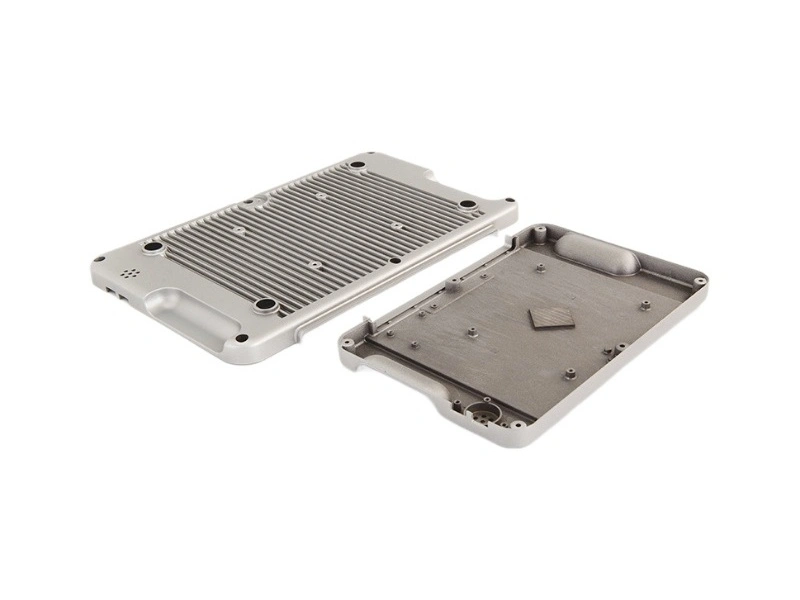
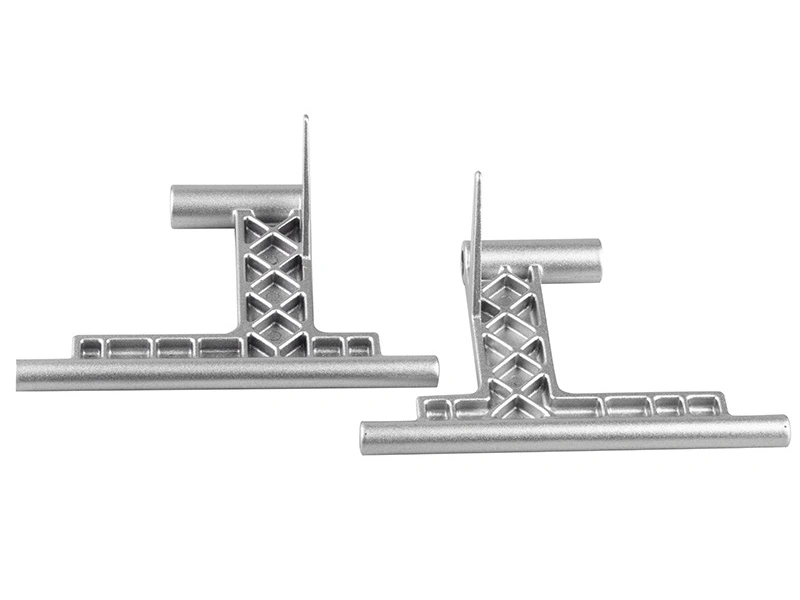
Zinc die cast parts that usually need post-machining before assembly include threaded holes, hinge holes, locating holes, sealing faces, contact surfaces, press-fit areas, bearing seats, datum surfaces and insert areas. These features directly affect assembly fit and function, so they should be reviewed before tooling and production.
1. Why Post-Machining Should Be Planned From Assembly Function
Post-machining should not be planned only after casting is complete. For zinc die cast assemblies, machining requirements should come from the assembly function. If a hole controls screw fit, pin location, hinge movement, insert position or datum alignment, it may need machining rather than as-cast control only.
Not every surface needs machining. The best approach is to machine only the features that affect assembly, fit, sealing, movement or functional reliability.
Zinc Die Cast Feature | Why Post-Machining Is Needed | Assembly Test |
|---|---|---|
Threaded hole | Controls fastening reliability and screw engagement. | Thread gauge check. |
Hinge hole | Controls movement, pin fit and rotation clearance. | Pin fit test and movement check. |
Locating hole | Controls assembly position and repeatability. | Fixture check. |
Sealing face | Controls contact stability and sealing performance. | Flatness check. |
Insert area | Controls insert retention and stable installation. | Pull or fit check. |
Datum surface | Controls the assembly reference for other features. | CMM inspection. |
2. Which Features Should Not Rely Only on As-Cast Accuracy?
Threaded holes, pin holes, bearing seats, locating holes and press-fit areas usually require more control than as-cast zinc die casting can provide. If these features are left as-cast, the assembly may fail due to hole position variation, poor thread quality, burrs, tight fit or loose fit.
Neway can support post-machining for zinc die cast assemblies and CNC machining for zinc die cast parts before assembly to control functional features before final assembly.
3. Why Deburring and Finished-Part Checks Are Needed After Machining
Machining can create burrs around holes, threads, slots or contact surfaces. If burrs are not removed, they may cause assembly interference, poor movement, scratches or operator handling issues. If the part is finished after machining, coating thickness may also change the final hole size or clearance.
For this reason, post-machined parts should be checked after machining and again after surface finishing when the feature affects assembly.
Risk | Possible Result | Recommended Control |
|---|---|---|
As-cast hole is used for critical assembly | Hole position variation may cause failed assembly. | Use CNC machining and inspection for critical holes. |
Burrs remain after machining | Parts may bind, scratch or fail to seat. | Use deburring and edge inspection. |
Surface treatment changes hole size | Assembly clearance may become too tight. | Check finished dimensions after coating. |
Insert fit is not verified | Inserted components may loosen or fail. | Use pull test, fit check or trial assembly. |
Supplier only casts parts | Assembly responsibility may be unclear. | Use integrated casting, machining and assembly support. |
4. How Neway Supports Post-Machining and Assembly
Neway can connect post-machining, CNC machining, inspection and assembly service for zinc die cast parts. For projects that require hardware assembly, Neway can also support hardware assembly for zinc die cast components.
For assembly-critical features, functional reliability for die cast assemblies should be planned before tooling, not after assembly problems appear.
Summary
Buyer Question | Recommended Decision |
|---|---|
Do all zinc die cast areas need machining? | No. Only assembly-critical and functional features usually need post-machining. |
Which features usually need machining? | Threads, hinge holes, locating holes, datum surfaces, insert areas and sealing faces. |
What should be checked after machining? | Burrs, dimensions, thread quality, fit and finished-part clearance. |
When should machining be planned? | Before tooling, based on assembly function and final product requirements. |