Which Zinc Die Casting Parts Need Tight Detail and Stable Dimensions?
Which Zinc Die Casting Parts Need Tight Detail and Stable Dimensions?
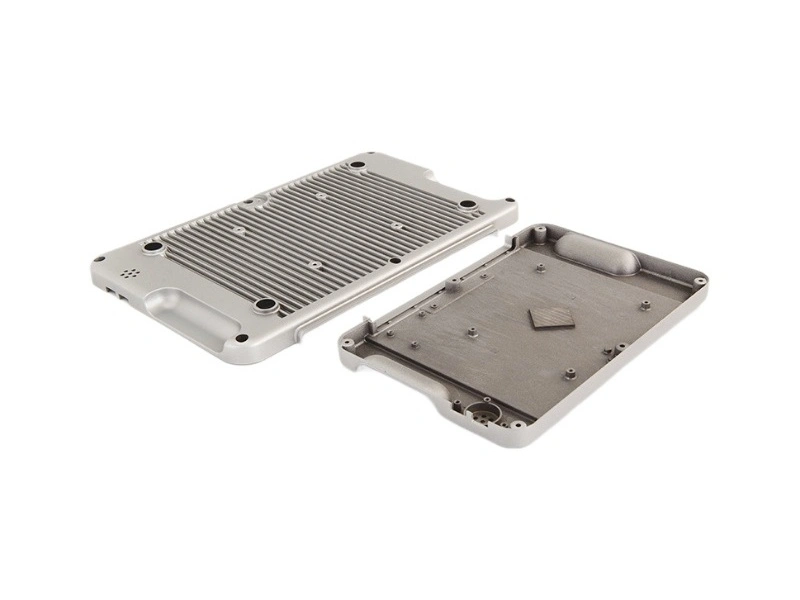
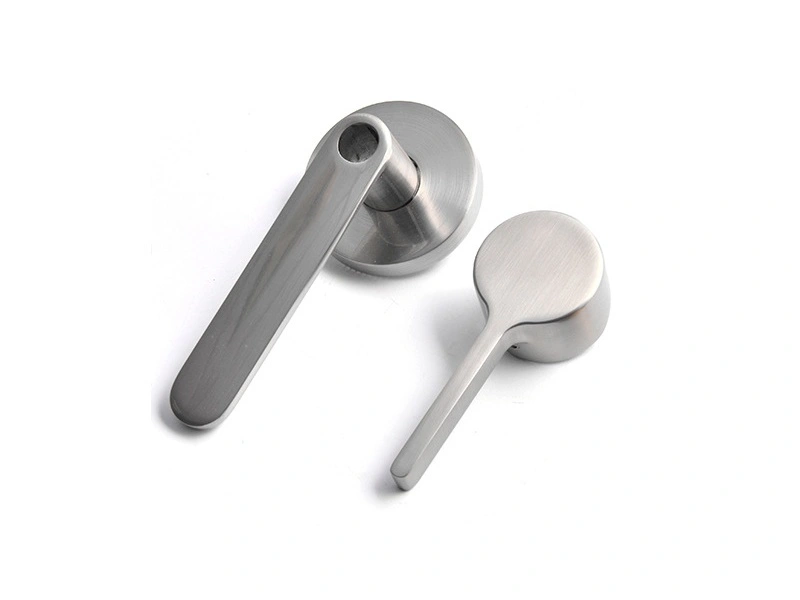
Precision zinc die casting parts are often used when buyers need small metal parts with tight detail, stable dimensions, clear features, low burrs, controlled appearance and repeatable batch quality. Common examples include small connectors, decorative covers, precision brackets, lock parts, knobs, handles, small housings, hardware parts, consumer product components, automotive small parts and assembly components with fine features.
If the part is small, complex, detailed and planned for stable batch production, zinc die casting is often more suitable than fully machining every part from solid material. For long-term production, custom metal casting can help reduce repeated machining time while keeping dimensions and appearance more consistent.
1. Common Zinc Die Casting Parts That Need Tight Detail
Part Type | Typical Requirement | Why Zinc Die Casting Fits |
|---|---|---|
Small connectors | Fine features, repeatable fit and stable geometry | Supports detailed structures and batch consistency |
Decorative covers | Stable visible surfaces and clean edges | Good for parts requiring plating, coating or cosmetic finishing |
Precision brackets | Controlled mounting points and assembly consistency | Can integrate ribs, bosses and local machined areas |
Lock parts | Fine detail, strength and repeatable dimensions | Suitable for small functional hardware components |
Knobs and handles | Appearance quality, touch surface and stable shape | Supports decorative finishing and repeatable production |
Small housings | Complex shape, assembly fit and surface quality | Forms details efficiently with less full-part machining |
2. What Performance Buyers Should Expect
Zinc die casting parts are often selected because they can combine clear details, dimensional repeatability, surface stability and batch production efficiency. However, good results still depend on tooling design, parting line planning, process control and inspection.
Requirement | Why It Matters | Buyer Benefit |
|---|---|---|
Clear details | Small features must be formed consistently across batches | Improves function and appearance |
Good dimensional repeatability | Assembly parts must fit mating components repeatedly | Reduces assembly problems |
Stable visible surfaces | Decorative and consumer parts need consistent appearance | Reduces cosmetic rejection |
Low burrs and flash | Burrs can affect appearance, handling and assembly | Reduces deburring and rework cost |
Limited post-machining | Only functional areas usually need machining | Controls long-term manufacturing cost |
3. How Tooling Supports Precision Zinc Die Casting Parts
Tooling for zinc die casting parts affects detail accuracy, parting line position, flash control, ejector marks, surface quality and batch stability. For parts with fine features, tooling design should be reviewed before mold manufacturing starts.
Tooling Area | Effect on Zinc Die Cast Parts | Buyer Should Confirm |
|---|---|---|
Parting line | Affects flash, visible edges and finishing workload | Where parting line is acceptable |
Gate location | Affects flow marks, trimming and cosmetic areas | Visible surface and gate mark position |
Ejector pin position | May leave marks on visible or assembly surfaces | Acceptable ejector mark locations |
Venting and filling | Affect detail filling and surface quality | Fine features, thin sections and cosmetic areas |
4. When CNC Machining Is Still Needed
Many custom zinc die cast parts can keep most surfaces as-cast, but functional features may still need CNC machining for zinc die cast parts. Common machined areas include precision holes, threaded holes, mounting faces, locating features and high-tolerance assembly surfaces.
Machined Area | Why It May Be Needed | Buyer Should Define |
|---|---|---|
Precision holes | Hole size and position may affect assembly | Diameter, position tolerance and inspection method |
Threaded holes | Threads usually need controlled post-machining | Thread size, depth and fastening requirement |
Mounting faces | Assembly contact may require better flatness | Flatness, datum and tolerance requirement |
Locating surfaces | Part position depends on stable datum surfaces | Datum location and measurement method |
5. When Other Materials May Be Better
Zinc is not always the right route. Aluminum die casting for lightweight parts may be better when weight reduction, heat dissipation or larger structure is the priority. Copper die casting for conductive parts may be better when electrical conductivity, thermal performance or wear resistance is the main requirement.
6. Summary
Zinc Die Casting Parts Need Tight Detail When | Main Reason |
|---|---|
The part is small and complex | Zinc die casting supports fine features and stable geometry |
The part needs good dimensional repeatability | Batch consistency improves assembly and inspection results |
The part has visible or decorative surfaces | Stable surfaces help plating, coating and cosmetic finishing |
The part needs fewer machined areas | Casting can form the main shape while CNC controls key features |
In summary, zinc die casting parts are suitable for small connectors, decorative covers, precision brackets, lock parts, knobs, handles, small housings, hardware parts, consumer product components and automotive small parts that require tight detail and stable dimensions. For small complex parts in long-term production, zinc die casting can often control cost better than fully CNC machining every part.