
هندسة معقدة؟ السباكة الرملية تجعلها ممكنة
لماذا تُعد السباكة الرملية مثالية للأشكال المعقدة
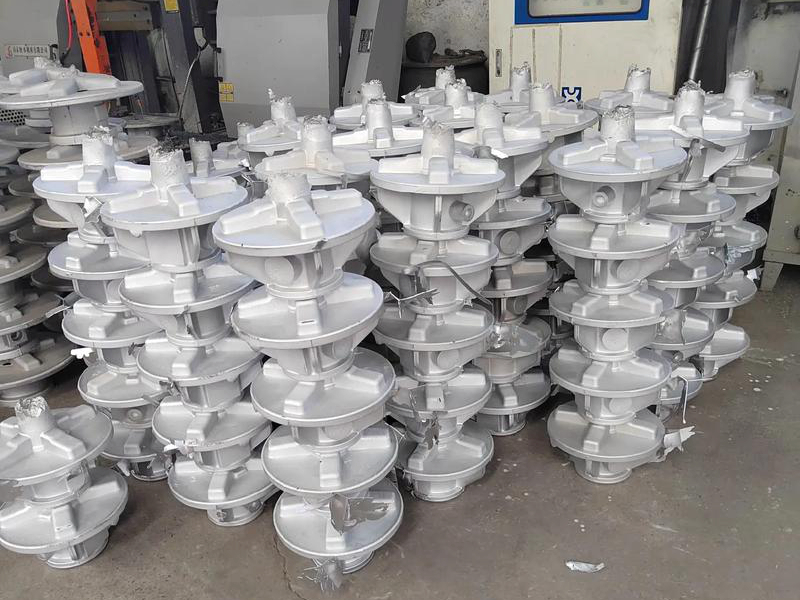
بصفتي مهندسًا في Neway، أعمل غالبًا مع مكوّنات تكون حدودها وتجويفاتها وممراتها الداخلية شبه مستحيلة—أو شديدة التكلفة—للتصنيع باستخدام القوالب الدائمة أو التشغيل بالإزالة وحده. تحل السباكة الرملية هذا التحدي عبر المرونة الطبيعية لمادة القالب. وبما أن قوالب الرمل تُصنع باستخدام رمل مضغوط بدلًا من فولاذ مقسّى، فإنها تتكيّف بسهولة مع الأشكال المعقدة والنتوءات السفلية والميزات ثلاثية الأبعاد دون الحاجة إلى أدوات مرتفعة التكلفة أو هياكل قوالب متعددة الانزلاق (Multi-slide) معقدة.
بالنسبة للعديد من البرامج في المراحل المبكرة، تُعد السباكة الرملية الخيار الأكثر كفاءة من حيث التكلفة عند التعامل مع أغلفة عالية التعرج، وأشكال إنشائية كبيرة، وهندسات تبديد حرارة، أو نماذج أولية تتطلب تعديلات سريعة. إن استخدام السباكة الرملية يمكّننا من إنتاج هذه القطع بسرعة، مما يوفر لفرق الهندسة عينات معدنية حقيقية تمثل سلوك الإنتاج المستقبلي بدقة.
عمليات القالب الدائم تتطلب عادة استثمارًا أوليًا كبيرًا، كما أن تشغيل الأشكال العميقة أو العضوية قد يكون بطيئًا ومكلفًا. وعلى النقيض، توفر السباكة الرملية حرية تصميم بتكلفة معقولة، مما يجعلها مثالية للنماذج الأولية، والإنتاج منخفض الحجم، والقطع الإنشائية التي تكون فيها التعقيدات الهندسية ضرورية.
فهم كيف تدعم القوالب الرملية حرية التصميم
الميزة الأساسية للسباكة الرملية تكمن في قدرتها على تشكيل قوالب متعددة الأجزاء وقابلة للفك تستوعب عناصر تصميمية تعجز عنها العمليات التقليدية. يمكن إنشاء القنوات الداخلية، وشبكات الأضلاع (Ribs)، والتجويفات العميقة، وتعرجات الأسطح المتعددة عبر ترتيب لُبابات الرمل (Sand Cores) في مواضعها قبل الصب.
وتكون حرية التصميم هذه مفيدة بشكل خاص عندما يبدأ المشروع بأدوات تطوير رقمية أو نماذج مادية. وعندما تتطلب النماذج المبكرة تحققًا ميكانيكيًا، يستخدم المهندسون أحيانًا النمذجة السريعة لصقل الأشكال قبل الالتزام بتصاميم قابلة للسباكة.
كما تُلغي قوالب الرمل العديد من القيود الهندسية المرتبطة عادة بالصب بالضغط العالي (High-pressure Die Casting). يمكن صب النتوءات السفلية، والجدران غير المتجانسة، وميزات التجميع المدمجة مع قلق أقل بشأن شروط تحرير القالب. بل إن السباكة الرملية تتفوق على صب القوالب عند تصنيع قطع كبيرة جدًا أو أشكال تتجاوز حدود طنّاج الماكينات.
وعندما يقود التعقيد الهندسي قرارات التصنيع، غالبًا ما يقرن المهندسون السباكة الرملية بعمليات لاحقة مثل التشغيل باستخدام CNC، لتلبية متطلبات التفاوت النهائي. يتيح هذا النهج الهجين للأشكال المصبوبة المعقدة تحقيق دقة عالية دون التضحية بنية التصميم.
قدرات المواد خلف الأشكال المعقدة المصبوبة بالرمل
تمتد مرونة السباكة الرملية إلى توافقها مع طيف واسع من السبائك. يُعد الألومنيوم من أكثر المواد استخدامًا في السباكات المعقدة بسبب قابلية سباكته الممتازة وميزاته في خفة الوزن. وعند اختيار السبيكة، يرجع المهندسون غالبًا إلى سبائك الألومنيوم لمقارنة القوة الميكانيكية، وأداء مقاومة التآكل، والسلوك الحراري.
أما للتطبيقات التي تتطلب صلادة أعلى أو قدرة تحمّل أكبر، فقد تكون سبائك الزنك مناسبة. وغالبًا ما يضع المصممون الذين يقيّمون نماذج أولية أو قطعًا وظيفية سبائك الزنك في الاعتبار لما تتمتع به من ثبات أبعادي وخصائص جريان جيدة.
كما تُصب سبائك النحاس والنحاس الأصفر باستخدام القوالب الرملية، خاصة للقطع التي تتطلب مقاومة تآكل، أو توصيلية، أو موثوقية حرارية. تقدم خيارات مثل سبائك النحاس-النحاس الأصفر نطاقًا واسعًا من المتطلبات التقنية في السيارات والطاقة والمعدات الصناعية.
وفي الحالات التي تتطلب أدوات نماذج أولية أو مكوّنات مقاومة للحرارة مواد بديلة، قد يستكشف المهندسون مواد الأدوات لمقارنة فروق الأداء خلال تجارب ما قبل الإنتاج.
إن قابلية القوالب الرملية للتكيّف مع أي سبيكة قابلة للسباكة تقريبًا تُمكّن المهندسين من موازنة الطموحات الهندسية مع المتطلبات الوظيفية، بما يضمن أن مكوّنات النماذج الأولية والإنتاج تعكس أداء التطبيق في العالم الحقيقي.
تقنيات هندسية تمكّن السباكات عالية التفاصيل
يتطلب تحقيق هندسة معقدة في السباكة الرملية ليس فقط مادة القالب، بل أيضًا التقنيات المستخدمة لتشكيله. يُعد تصميم اللُّباب (Core Design) عنصرًا محوريًا. فاللُّباب متعددة الأجزاء يمكنها تشكيل ممرات معقدة، وأقسام مغلقة، أو فراغات ثلاثية الأبعاد لا يمكن للتشغيل التقليدي تحقيقها اقتصاديًا.
كما يجب هندسة زوايا السحب (Draft Angles) ومواقع التغذية (Gating) وتوزيع سماكات الجدران بعناية للحفاظ على جودة السباكة. وعند التعامل مع هياكل عالية التفاصيل، قد تبدأ الفرق بإنشاء نموذج إضافي باستخدام الطباعة ثلاثية الأبعاد، ثم تحويل هذا النموذج إلى أدوات أو قوالب تجريبية جاهزة للسباكة.
تتيح مسارات الأدوات السريعة إنتاج صناديق اللُّباب (Core Boxes) أو انطباعات القالب بسرعة باستخدام أنماط مُضافة أو أنماط مقطوعة بـ CNC. وللتطبيقات التي تحتاج إلى اختبارات تحقق غير معدنية قبل السباكة، قد تُنشئ الفرق هندسة مبكرة باستخدام سباكة اليوريثان.
تضمن المحاكاة الرقمية وتصميم التغذية المتخصص تدفق المعدن المنصهر بفعالية إلى جميع الميزات الحرجة. تقلل هذه التقنيات المسامية، وتحسن السلامة البنيوية، وتضمن أن حتى الأشكال المعقدة تحقق الأهداف الأبعادية.
متى تمنح السباكة الرملية مزايا مقارنة بـ CNC والطباعة ثلاثية الأبعاد
ليست السباكة الرملية دائمًا الأسرع أو الأدق، لكنها تتفوق عندما يجعل الحجم أو الشكل أو سماكة الجدار تشغيل CNC أو التصنيع بالإضافة غير عملي. فالأغلفة الكبيرة جدًا، والهياكل سميكة الجدار، والقطع ذات الغلاف الهندسي الواسع غالبًا ما تكون مكلفة للغاية للتشغيل من كتلة صمّاء (Billet). في مثل هذه الحالات، تقلل السباكة الرملية بشكل كبير من هدر المواد الخام ووقت التشغيل.
التصنيع بالإضافة مثالي للقطع الصغيرة أو شديدة التعقيد، لكنه يصبح محدودًا عندما تتجاوز القطع حجم البناء، أو تتطلب كتلة حرارية عالية، أو تحتاج إلى سبائك جاهزة للإنتاج غير متاحة بصيغ الطباعة الشائعة. لهذه السيناريوهات، تبقى السباكة الرملية خيارًا تنافسيًا وقابلًا للتوسع.
وعندما تتطلب القطع دقة نهائية تتجاوز ما يمكن أن توفره السباكة وحدها، فإن العمليات الثانوية مثل التشغيل اللاحق لقطع الصب تُدخل الهندسة ضمن حدود التفاوت. كما تساعد معالجات السطح والتنظيف—على غرار أساليب المعالجة اللاحقة لقطع صب القوالب—في تحسين المظهر النهائي. يوفر هذا المسار الهجين توازنًا فعالًا بين التعقيد والتكلفة وقابلية التصنيع.
أساليب المعالجة اللاحقة للأشكال المعقدة المصبوبة
السباكات المعقدة غالبًا ما تتطلب تشغيلًا موجّهًا لتحقيق الاستواء، أو ثقوب دقيقة، أو أسطح إحكام (Sealing Surfaces). ويجب أن تستوعب استراتيجيات التشغيل الأشكال غير المنتظمة وتباين السباكة، ويعمل فريقنا الهندسي عن قرب مع العملاء لتحديد الأسطح التي تحتاج إلى تشطيب.
تساعد عمليات السفع (Blasting) والتهذيب (Trimming) والتشطيب على إزالة بقايا الرمل، وفواصل القالب، والعيوب السطحية البسيطة. كما تساعد طرق الفحص—مثل قياس CMM، والتصوير بالأشعة السينية، وتحليل المقاطع—على التحقق من البنى الداخلية التي لا يمكن فحصها بصريًا.
ومن خلال دمج تصميم قالب مرن، وتوقعات تفاوت معقولة، ومعالجة لاحقة مدروسة، يمكن إنتاج أشكال عالية التفاصيل بشكل موثوق ومتكرر.
الصناعات التي تستفيد من هندسات السباكة الرملية المعقدة
الصناعات الأكثر استفادة من السباكات الرملية المعقدة هي تلك التي توازن بين المتطلبات الإنشائية والأداء الحراري وسرعة التطوير. يعتمد مجال السيارات بدرجة كبيرة على السباكة الرملية للأغلفة وقطع المحركات والحوامل الإنشائية. وتوضح أمثلة التعاون المرتبطة بـ مكوّنات السيارات كيف تسرّع السباكة الرملية التحقق من التصميم.
أما برامج الطيران فتقيّم بانتظام هياكل مصبوبة بالرمل عالية القوة وخفيفة الوزن. غالبًا ما تدعم هذه النماذج تطوير أجزاء الطيران وتوفر مسارًا فعالًا لاختبار التجميعات قبل الالتزام بطرق سباكة أو تشغيل أكثر تقدمًا.
تستفيد الإلكترونيات الاستهلاكية من نماذج مبكرة تتطلب دورات تكرار سريعة مع الحفاظ على أداء ميكانيكي وظيفي. وتوضح مشاريع مثل عتاد الإلكترونيات الاستهلاكية كيف يمكن للأغلفة المصبوبة بالرمل أن تدعم اختبارات الحرارة والتقييمات الإنشائية بسرعة قبل الإنتاج الكمي.
عبر جميع الصناعات، تدعم السباكة الرملية تصنيع الإطارات الإنشائية، ومكوّنات تبديد الحرارة، والأشكال الإرجونومية، والتجميعات الميكانيكية كبيرة الحجم. إن حرية الهندسة التي توفرها تجعلها واحدة من أكثر العمليات تنوعًا للبحث والتطوير وما قبل الإنتاج.
اختيار الشريك المناسب لمشاريع السباكة الرملية الدقيقة والمعقدة
يعتمد النجاح في السباكة الرملية المعقدة بشكل كبير على الخبرة الهندسية. إن اختيار مورد قادر على تصميم القوالب، وتكوين اللُّباب، واختيار المواد، وتنفيذ المعالجة اللاحقة يضمن دقة النماذج وقابلية تكرارها. كما أن شريكًا يقدم إرشادًا هندسيًا شاملًا—مثل خدمات التصميم والهندسة لدى Neway—يساعد على تحسين هندسة القطعة، وتقليل العيوب، وتبسيط الانتقال من النموذج الأولي إلى الإنتاج.
الاتساق عبر الدُفعات أمر بالغ الأهمية، خاصة في التشغيل التجريبي. إن التحكم الموثوق بالعملية، وإدارة السبائك، وقدرات التشغيل تمكّن القطع المصبوبة بالرمل من مطابقة نية التصميم حتى عند وجود هندسة معقدة.
ومن خلال أساليب أدوات مرنة، وخيارات مواد واسعة، وتحسينات تقودها الهندسة، تظل السباكة الرملية واحدة من أقوى العمليات لتحويل التصاميم المعقدة إلى قطع قابلة للتصنيع.
الأسئلة الشائعة
