
من CAD إلى جزء يوريثان خلال أيام لا أسابيع
تسريع التطوير باستخدام الصب السريع باليوريثان
بصفتي مهندسًا في Neway، أعمل كثيرًا مع فرق تواجه مواعيد نهائية ضيقة وتصميمات متغيرة وضغطًا للتحقق من مفاهيم جديدة بسرعة. قد تستغرق أساليب القولبة والتشغيل التقليدية أسابيع قبل جاهزية أول قطعة، خصوصًا عندما يلزم تعديل الأدوات أو المرور بعدة دورات تصميم. يغيّر صب اليوريثان هذا الجدول بالكامل. فمن خلال دمج قوالب السيليكون مع مواد بولي يوريثان سريعة التصلب، نحول نماذج CAD إلى مكوّنات جاهزة للاستخدام خلال أيام، ما يمنح العملاء ميزة سرعة كبيرة.
يجسر صب اليوريثان الفجوة بين النماذج الأولية والإنتاج منخفض الحجم. تختاره العديد من الفرق عندما يصبح تشغيل CNC مكلفًا للأشكال المعقدة أو عندما تكون أدوات القولبة بالحقن غير عملية للاختبارات المبكرة. يركز سير عملنا على الكفاءة—كل خطوة، من التصميم الرقمي إلى القطعة النهائية، مُحسّنة لتسليم سريع وقابل للتكرار.
ومن أهم مزاياه المرونة. تحاكي مواد اليوريثان لدائن مثل ABS وPC وTPU، ما يسمح للمصممين باختبار الأداء الواقعي قبل وقت طويل من الالتزام بقوالب الإنتاج الضخم. عندما يحتاج العملاء عينات وظيفية سريعة للتحقق أو التجارب الميدانية أو أنشطة التسويق المبكرة، يوفر صب اليوريثان السرعة ودقة محاكاة المادة معًا.
لماذا يقلل صب اليوريثان زمن التطوير
أكثر خطوة تستغرق وقتًا في القولبة التقليدية هي تصنيع أدوات معدنية. قد يتطلب إنتاج قوالب فولاذية مقساة عمليات CNC متعددة، وعمليات EDM، وتلميعًا، وتحقيقًا أبعاديًا. وعند حدوث تعديلات تصميم، يجب تعديل هذه القوالب أو إعادة تصنيعها، ما يضيف وقتًا وتكلفة إضافيين.
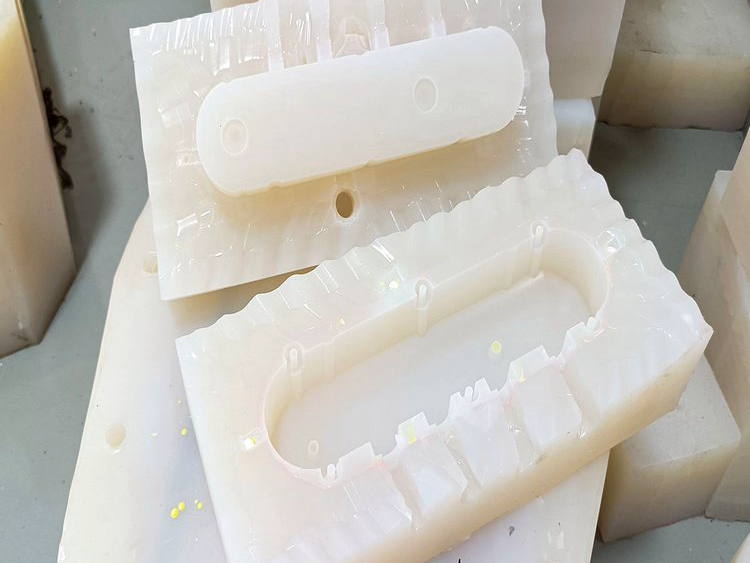
يتجنب صب اليوريثان هذه المشكلة بالكامل باستخدام قوالب سيليكون مرنة مشتقة من نموذج رئيسي. بدلًا من تشغيل المعدن، نصنع النموذج الرئيسي بطرق رقمية سريعة. في كثير من المشاريع، يتم إنتاج النموذج الرئيسي عبر الطباعة ثلاثية الأبعاد، ما يتيح أشكالًا معقدة دون قيود التشغيل. بعد الطباعة والتشطيب، يصبح أساسًا لصنع القالب. يلتقط قالب السيليكون أدق التفاصيل، بحيث تطابق أجزاء البولي يوريثان المصبوبة الدقة الأبعادية للنموذج الرئيسي بدرجة عالية.
تُمكّن هذه العملية السريعة لصناعة القالب العملاء من استلام أول عينات في جزء بسيط من الوقت المطلوب لبناء قوالب من الألومنيوم أو الفولاذ. وبالنسبة لفرق التطوير تحت ضغط زمني كبير، يمكن أن يكون هذا التوفير حاسمًا.
سير عمل قائم على CAD للأشكال المعقدة
يبدأ صب اليوريثان لدينا ببيانات CAD الرقمية التي يزوّدنا بها العميل. يجري مهندسو Neway تقييمات قابلية التصنيع، للتأكد من أن الهندسة وسماكة الجدران وزوايا السحب والنتوءات ستُصب بشكل صحيح. عندما يكون النموذج معقدًا أو يحتوي على ميزات داخلية يصعب تشغيلها، تصبح طباعة النموذج الرئيسي أسرع طريقة.
ولأن قوالب صب اليوريثان مرنة، يمكننا التعامل مع ميزات تصميم قد تتطلب قوالب حقن متعددة السلايدر أو تشغيل CNC مكثف. تتيح هذه المرونة إنشاء أشكال معقدة دون تكاليف أدوات إضافية، ما يساعد الشركات على استكشاف تصميمات طموحة في وقت مبكر من التطوير.
وعندما تتطلب التطبيقات نماذج رئيسية بدقة أعلى قبل الصب، نُحضّر أحيانًا النماذج الرئيسية عبر تشغيل CNC لتحسين التفاوتات الأبعادية. يمنح الجمع بين الأساليب الإضافية والطرحّية عملاءنا مجموعة قوية من الخيارات لمتطلبات النمذجة المختلفة.
دور تجهيزات السيليكون
قوالب السيليكون هي قلب سرعة صب اليوريثان وتعدد استخداماته. تُصب مباشرة حول النموذج الرئيسي وتتعالج بسرعة، وتنسخ الملمس الدقيق والحواف وتشطيبات السطح. وبسبب مرونة السيليكون، تكون عملية فك القالب أسرع وأقل تقييدًا من الأدوات الصلبة، ما يمنح المصممين حرية إبداعية أكبر.
ومع أن لقوالب السيليكون عمرًا محدودًا—عادة 15–30 قطعة حسب الهندسة—إلا أنها تقدم سرعة لا تضاهى لدورات التطوير. وعندما يحتاج العملاء إلى تكرارات متعددة، نقوم ببساطة بتعديل ملف CAD، وطباعة نموذج رئيسي جديد، وصب قالب جديد. وهذا يجعل صب اليوريثان مثاليًا للمنتجات التي ما تزال قيد التحسين.
وبالنسبة للمكوّنات التي ستُنتج لاحقًا بالسباكة المعدنية، مثل العناصر التي ستُصنع في النهاية عبر سبائك الألومنيوم أو الأشكال المعقدة المشابهة لـ تلك المصنوعة بسبائك الزنك، يتيح صب اليوريثان للفرق تثبيت الهندسة الوظيفية قبل الاستثمار في أدوات صلبة.
مرونة المواد والأداء الواقعي
تأتي مواد اليوريثان ضمن نطاق واسع من الخصائص الميكانيكية—من الإيلاستومرات اللينة إلى البوليمرات الصلبة الهيكلية. يتيح ذلك للأجزاء محاكاة خصائص لدائن هندسية مختلفة، ما يجعلها مناسبة للتحقق الوظيفي، واختبارات الإرجونومكس، وحتى الإنتاج التجريبي.
وعندما يقيّم العملاء الفروقات بين مواد النماذج الأولية والمعادن الإنتاجية المستقبلية مثل سبائك النحاس-النحاس الأصفر، يساعد فريقنا على مواءمة خصائص اليوريثان مع نطاق الأداء المتوقع. ورغم أن البولي يوريثان لا يمكنه محاكاة قوة المعدن بالكامل، فإنه يوفر أساسًا موثوقًا لتقييم الملاءمة والتجميع وتصميم الهندسة.
وبالتوازي، غالبًا ما تحتاج فرق تخطط لبرامج صب القوالب إلى إرشاد بشأن المعادن والأدوات. من خلال الرجوع المبكر إلى مواد الأدوات، نساعد العملاء على توقع كيفية انتقال نموذجهم الأولي إلى طرق إنتاج طويلة الأمد.
المعالجة اللاحقة لجودة شبيهة بالإنتاج
بعد الصب، قد تخضع أجزاء اليوريثان لعمليات تشطيب بحسب المتطلبات الجمالية والوظيفية. يمكن للتشغيل والتلميع والدهان وإضافة القوام أن تجعل الأجزاء شبه غير قابلة للتمييز عن أجزاء البلاستيك المصبوب بالحقن. وعندما يجب أن تتوافق المكوّنات بإحكام مع عتاد التجميع، يطبق فريقنا معالجات إضافية مشابهة لـ التشغيل اللاحق لقطع الصب للحصول على أسطح أو ميزات دقيقة.
وللعملاء الذين يقارنون صب اليوريثان بقطع صب القوالب، نوضح كيف ترتبط أساليب التشطيب مثل المعالجة اللاحقة لقطع الصب بالمخرجات الجمالية والأبعادية لأجزاء البولي يوريثان. أحيانًا يصبح نموذج اليوريثان المرجع القياسي لأدوات الإنتاج الضخم لاحقًا.
تطبيقات صناعية للصب السريع باليوريثان
يخدم صب اليوريثان طيفًا واسعًا من الصناعات، خصوصًا تلك التي تتطلب دورات تطوير قصيرة. تحتاج فرق السيارات غالبًا إلى نماذج أولية وظيفية بسرعة، ما يجعله مكملًا لسير العمل المستخدم في مكوّنات السيارات. هنا، تدعم أجزاء اليوريثان الاختبارات المبكرة قبل دخول مكوّنات صب الألومنيوم مرحلة التحقق على نطاق كامل.
كما تستفيد شركات الإلكترونيات الاستهلاكية كثيرًا من الصب السريع. عند العمل على أغلفة حماية أو حوامل أو أغطية جمالية، تكون دورات التطوير قصيرة للغاية. تعتمد العديد من الفرق التي تدرس أغطية وظيفية مشابهة لـ عتاد الإلكترونيات الاستهلاكية على أجزاء اليوريثان لعروض النماذج والتحقق من الملاءمة.
وعبر الروبوتات وتطوير الأجهزة الطبية وأنظمة الإضاءة والأجهزة القابلة للارتداء، يوفر صب اليوريثان حلولًا مرنة وفعالة من حيث التكلفة في جميع مراحل ما قبل الإنتاج.
انتقال أسرع من النموذج الأولي إلى الإنتاج
تتيح سرعة صب اليوريثان للشركات اختبار التصميمات ومراجعتها وتثبيتها بسرعة أعلى بمقدار مرتين إلى ثلاث مرات مقارنة بالقولبة التقليدية. وبعد التحقق من التصميم، يصبح الانتقال إلى التصنيع طويل الأمد مباشرًا. تُترجم الدروس المستفادة من نماذج اليوريثان المصبوبة مباشرةً إلى استراتيجية الأدوات لصب القوالب أو القولبة بالحقن أو إنتاج CNC.
يقلل هذا النهج السريع للنمذجة المخاطر الإجمالية للمشروع، ويُسرّع اتخاذ القرار، ويمنع إعادة العمل المكلفة أثناء مراحل الأدوات. ومن خلال العمل عن قرب مع فريق خدمة التصميم والهندسة في Neway، يستفيد العديد من العملاء من صب اليوريثان لتقصير الجداول الزمنية للتطوير والانتقال بثقة إلى الإنتاج الضخم.
الأسئلة الشائعة
