Casting Part Suppliers: How to Compare Process Control Before RFQ
Casting part suppliers should be compared by the evidence they can provide for the required part, not by a broad equipment list or a polished capability page. Before issuing an RFQ, define the alloy, casting route, geometry, quantity, finished state, functional interfaces, defect risks, and inspection. Then ask each supplier to explain how the route controls those conditions. A foundry that can produce a similar shape is not automatically a fit for a pressure boundary, a machined bearing seat, a cosmetic housing, or a regulated material.
The comparison should separate process ownership from trading or coordination. Who designs the tool? Who controls the melt or charge material? Who machines the datum? Who performs the finish and inspection? Who owns the corrective action when a casting fails after machining? Clear responsibility is valuable because many casting defects are only visible after a downstream operation. The buyer should see the handoff points before choosing the lowest initial quote.
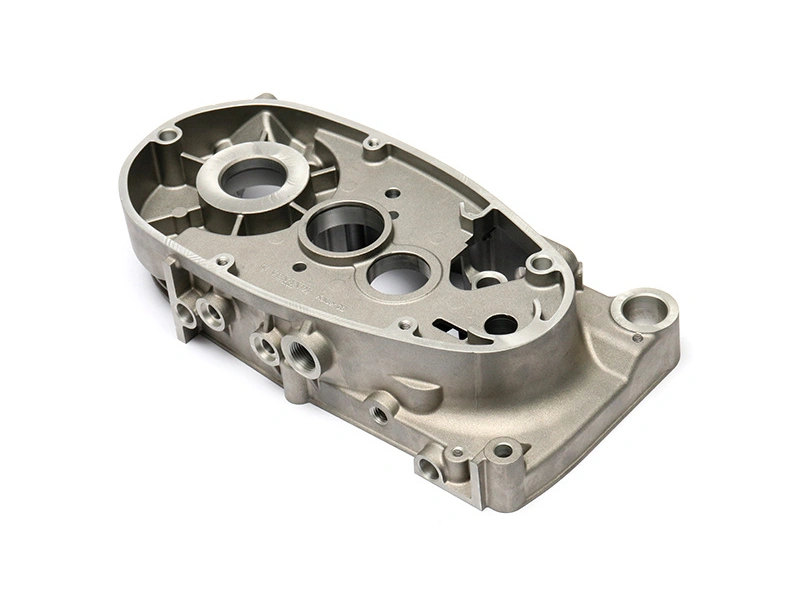
Start With Process Fit, Not Supplier Size
The first screening question is whether the supplier's process fits the geometry and finished requirement. Sand casting, gravity casting, die casting, investment casting, centrifugal casting, and machining from stock solve different problems. The choice affects draft, cores, surface, wall transitions, production quantity, tooling, and cost. A supplier should be able to explain why its proposed route fits the part and what features need redesign, machining, or a change in acceptance state.
Ask the supplier to identify the route's sensitive features on the drawing. For a casting, those may include long thin walls, heavy bosses, deep cores, shutoffs, remote corners, pressure boundaries, or faces that will be cut away. The response should describe the expected defect risk and the proposed evidence. Generic terms such as “high quality” or “tight control” are not useful unless attached to a feature, a process step, and a measurement.
Use an Evidence Matrix to Compare Quotes
Prepare the same evidence questions for every supplier. Ask for material identification, tool concept, process flow, machining plan, finish sequence, inspection equipment, sample state, and change control. The response does not need to disclose confidential internal recipes. It should be detailed enough to show who owns each requirement and how a failed result will be investigated.
| Buyer concern | Evidence from the supplier | Decision use |
|---|---|---|
| Alloy identity and condition | Specified grade, lot or heat traceability, certificate scope | Confirms the material is being bought as specified |
| Geometry and filling | DFM review, parting and core plan, trial observations | Shows whether the route addresses sensitive features |
| Machined interface | Datum sequence, stock plan, fixture and measurement state | Separates cast variation from finished-part control |
| Internal or pressure risk | Defined test or internal examination tied to the failure mode | Prevents surface inspection from being treated as proof |
| Production change | Revision records, tool history, approval and containment process | Protects the approved process after launch |
Review Material and Melt Control at the Right Level
A material certificate is useful only when its scope and traceability are clear. Confirm the governing designation, chemistry or condition requirement, product form, and the relationship between the certificate, melt or charge, and delivered lot. If the supplier blends returns, additions, or purchased ingot, ask how the material is identified and how an out-of-specification result is contained. Do not ask for a property number without stating the casting process and sample condition that would make the number meaningful.
For copper, aluminum, zinc, iron, or other alloys, the drawing and purchase specification should identify any restricted elements or market requirements. If the supplier proposes an alternative grade, require a controlled comparison against the function that drove the original choice. A replacement may change machinability, corrosion, wear, thermal response, or the suitability of a finish. The buyer should approve the affected requirement, not simply the supplier's material label.
Equipment Lists Need Operating Context
Capacity lists are a starting point, not proof of fit. A machine's nominal size does not show whether the supplier has the correct tool, furnace, core practice, trimming method, machining fixture, or inspection equipment for the part. Ask how similar geometry is released and which operations are performed in-house. If a step is subcontracted, identify the subcontractor's responsibility, traceability, and corrective-action path. The objective is not to collect a longer list of machines; it is to understand the complete route.
Staff experience also matters, but it should be demonstrated through the way the supplier handles a drawing review, trial, nonconformance, and change. A useful technical response names assumptions and asks for missing information. It does not promise a tolerance, finish, delivery, or service life before seeing the part and inspection requirement.
Check the Downstream Operations Before Award
Many supplier comparisons stop at the raw casting price. That can hide machining stock, trimming, deburring, cleaning, finishing, inspection, packaging, and scrap containment. Request a process route from the mold through the shipped part. If a bore or sealing face is functional, ask where it is machined and from which datum. If a coating is required, ask how masking, pretreatment, thickness, and appearance are controlled. Neway's post-machining route can be reviewed as part of this complete comparison.
Finished-part inspection should match the product state. A dimensional report on a rough casting cannot replace a report on a machined interface. A coating report cannot replace a leak test. A visual approval cannot show a subsurface condition. Ask the supplier to list the sample state for each test and to identify the equipment, datum, or fixture used.
Ask How a Supplier Learns From a Failed Sample
A first trial rarely answers every production question. What matters is whether the supplier records the defect, isolates the likely cause, proposes a correction, and verifies the changed condition. The record should identify the tool revision, alloy lot, process state, sample, and inspection result. If a gate, vent, insert, core, fixture, or finish changes, the new revision should be visible.
Ask what happens when a production lot fails after machining or assembly. The supplier should be able to contain the affected lot, preserve samples, trace upstream and downstream operations, and agree on the disposition with the buyer. The response reveals more about process maturity than an unqualified claim of zero defects.
Prepare an RFQ That Makes Supplier Responses Comparable
Include the drawing, model, revision, material, quantity by phase, casting route if constrained, functional features, finish, packaging, inspection, and required records. State what the supplier may propose and what must not change without approval. Separate tooling, cast blanks, machining, finishing, inspection, validation, and recurring unit cost. Ask for assumptions on cores, parting line, stock, fixtures, and scrap or rework handling.
Neway's metal casting route can be considered when the buyer wants a connected casting scope. The important comparison is the evidence and responsibility attached to the quote. A supplier who explains the route against the drawing gives the purchasing team a better basis than a supplier who only repeats a material or machine name.
Read the Supplier Response for Specific Decisions
A useful supplier response names the casting route, material condition, parting and core assumptions, sensitive features, machining state, finish, inspection, and subcontracted steps. It should also identify what the supplier cannot confirm without a final drawing or process trial. This kind of qualification response is more valuable than a list of machines because it shows whether the supplier understands the buyer's failure modes.
Look for measurable or observable evidence, but do not demand numbers that have no defined test state. A tolerance depends on size, geometry, datum, mold, alloy, and measurement condition. A pressure result depends on the finished wall, test medium, fixture, duration, and criteria. A corrosion result depends on fluid, temperature, exposure, surface, and mating materials. A supplier that states these conditions is making the quote easier to audit, even when the final value must wait for a trial.
Use a Technical Review to Confirm the Paperwork
If a supplier visit or remote technical review is possible, use the same sequence as the RFQ. Start with the incoming drawing and material record, follow the tool and melt route, inspect the casting and machining handoff, then review nonconformance and change records. Ask how the supplier identifies a part when it moves between casting, trimming, machining, finishing, and packing. The goal is to verify responsibility and traceability, not simply to count equipment.
Ask to see how tool wear, vent cleaning, cooling checks, and fixture maintenance are recorded. A foundry may have a strong initial sample and still lose control if maintenance is informal. Similarly, a machining supplier may hold a bore while using a fixture that masks a casting shift. The technical review should follow the part's actual risk from one operation to the next.
Compare Price Against the Work Needed to Control Risk
A low casting price may exclude tooling, machining stock, finishing, inspection, sample parts, or containment. A higher price may include operations that the buyer does not need. Ask every supplier to break out the route so the buyer can decide deliberately. Separate tool and engineering cost, raw casting, trim and clean, machining, finish, inspection, packing, sample approval, and maintenance. This also makes future design changes easier to price.
Consider the cost of a failed feature, not just the cost of an extra operation. Moving a gate away from a sealing land may reduce rework even if it increases trim work. Machining a bore from a stable datum may cost more than leaving it cored, but it can protect assembly. A surface test or leak test may cost more than visual inspection while answering a failure mode that would otherwise appear at the customer. The supplier should describe the trade-off so engineering can choose the right control.
Do Not Treat Noncomparable Samples as Proof
Samples from different suppliers are only comparable when the part revision, material, casting route, machining state, finish, and inspection method are aligned. One supplier may show a machined and coated part while another shows an as-cast blank. One may use a production tool while another uses a temporary pattern. Ask each candidate to label the sample state and the evidence included. A better-looking sample is not automatically a better process if it was prepared under a different acceptance boundary.
When a supplier proposes an alternative process, compare the finished part and total route. A different casting process may change tooling, surface, internal structure, draft, cores, quantity economics, and machining. If the route change is acceptable, document the new requirement and approval evidence. Do not allow a process substitution to enter through a unit-price comparison alone.
Set Qualification Gates Before Award
Use staged gates that match the program. The first gate confirms route fit and drawing assumptions. The next confirms tool concept, material, and sample plan. A later gate confirms the physical trial, finished machining, finish, and inspection. The production gate confirms traceability, maintenance, change control, packaging, and recurring records. Not every project needs the same paperwork, but every requirement should have an owner and a point at which it is approved.
Neway's tool and die making route can be reviewed if the casting supplier is expected to own tool design and trial. The buyer should also consider casting material controls and post-process scope when comparing a complete supplier route.
RFQ Questions That Produce a Defensible Comparison
Ask what information is missing, which process is proposed, which features are high risk, what is included in tooling, where machining occurs, what finish is used, which tests are included, how lots are identified, and how changes are approved. Ask for assumptions in writing and require alternatives to name the affected drawing requirement. Include quantity by launch and production phase so the supplier can explain tooling and process economics without inventing a universal production promise.
A candidate that answers these questions clearly gives the buyer a basis for negotiation and later corrective action. The decision remains project-specific, but the comparison becomes fair because each supplier is being judged on the same part definition and evidence.
Ask Who Owns the Technical Decision
A supplier may coordinate several companies, but the buyer should still know who owns each technical decision. Identify the organization responsible for tool design, material approval, casting, trimming, machining, finishing, testing, packaging, and corrective action. If the process is divided between sites, the lot and revision should remain identifiable at every handoff.
Technical ownership is especially important when a defect appears after a downstream operation. A pore exposed by machining may originate in casting; a burr may originate in the cutting operation; a stain may originate in cleaning or finish. The primary supplier should preserve the evidence and coordinate the response instead of asking the buyer to resolve the handoff alone.
Evaluate How Missing Information Is Handled
Good supplier communication names assumptions and asks for the missing drawing, material, quantity, or test information. It distinguishes what can be decided from what needs a trial. This behavior matters because casting projects often begin with an incomplete model or a changing assembly. A supplier that guesses silently may create a low first quote and a larger change later.
Ask the supplier to return a marked-up drawing rather than a general statement. The markup should show parting, cores, gates, vents, machining datums, finish zones, and inspection points. It should also identify features that cannot be confirmed until a tool or sample exists. This gives engineering a focused review and lets purchasing price the same scope.
Review Tool, Machining, and Finish Scope Together
Tooling affects the casting; casting affects machining stock; machining affects finish; and finish affects assembly and inspection. A supplier response should show that sequence. If the tool has a slide near a machined bore, review both the slide witness and bore location. If a coating follows tumbling, review cleaning and media retention. If a casting is pressure-related, review stock removal and the final test state.
Neway's post-machining and post-process routes can be considered when a casting supplier is expected to deliver a finished part. The quote should say which organization controls the drawing and acceptance plan through those operations.
Check Capacity Against the Part, Not a Machine List
Capacity should include tool availability, furnace or charge practice, casting cell, trim, machining fixtures, finish line, inspection, and packaging. A supplier may have enough machine size but not enough controlled time, inspection access, or maintenance support for the part. Ask how launch quantity and production quantity are accommodated and which operation becomes the limiting step.
Do not turn a capacity answer into an unsupported delivery promise. The schedule depends on drawing release, tool design, material, trial, corrections, finish approval, and inspection. Request schedule assumptions and identify which customer decisions can move the date. This gives both sides a realistic commercial boundary.
Record the Award Decision
Keep the evidence matrix, marked-up DFM, technical questions, quote revision, sample state, and approved deviations with the award record. Note why the selected route fits the part and what evidence remains open. If the supplier later proposes a different alloy, tool, machine, or subcontractor, compare it against this record. The buyer then has a traceable baseline for change approval.
Buyer Summary
Casting part suppliers should be compared by process fit, material control, downstream ownership, inspection evidence, traceability, and change response. The strongest quote is not automatically the longest or cheapest; it is the one that makes the part's risks and acceptance state visible.
Use one evidence matrix and one controlled RFQ for every candidate. That lets engineering, quality, and purchasing judge the same requirements before a tool or production commitment is made.
FAQ