How Aluminum Surface Treatments Improve Die Cast Part Performance
How Aluminum Surface Treatments Improve Die Cast Part Performance
Aluminum surface treatments are not only used to make die cast parts look better. For many custom aluminum die cast parts, surface treatment affects corrosion resistance, coating adhesion, assembly performance, visible surface quality, service life, and total purchasing cost. This is especially important for automotive parts, consumer electronics housings, lighting components, industrial equipment parts, and visible product covers.
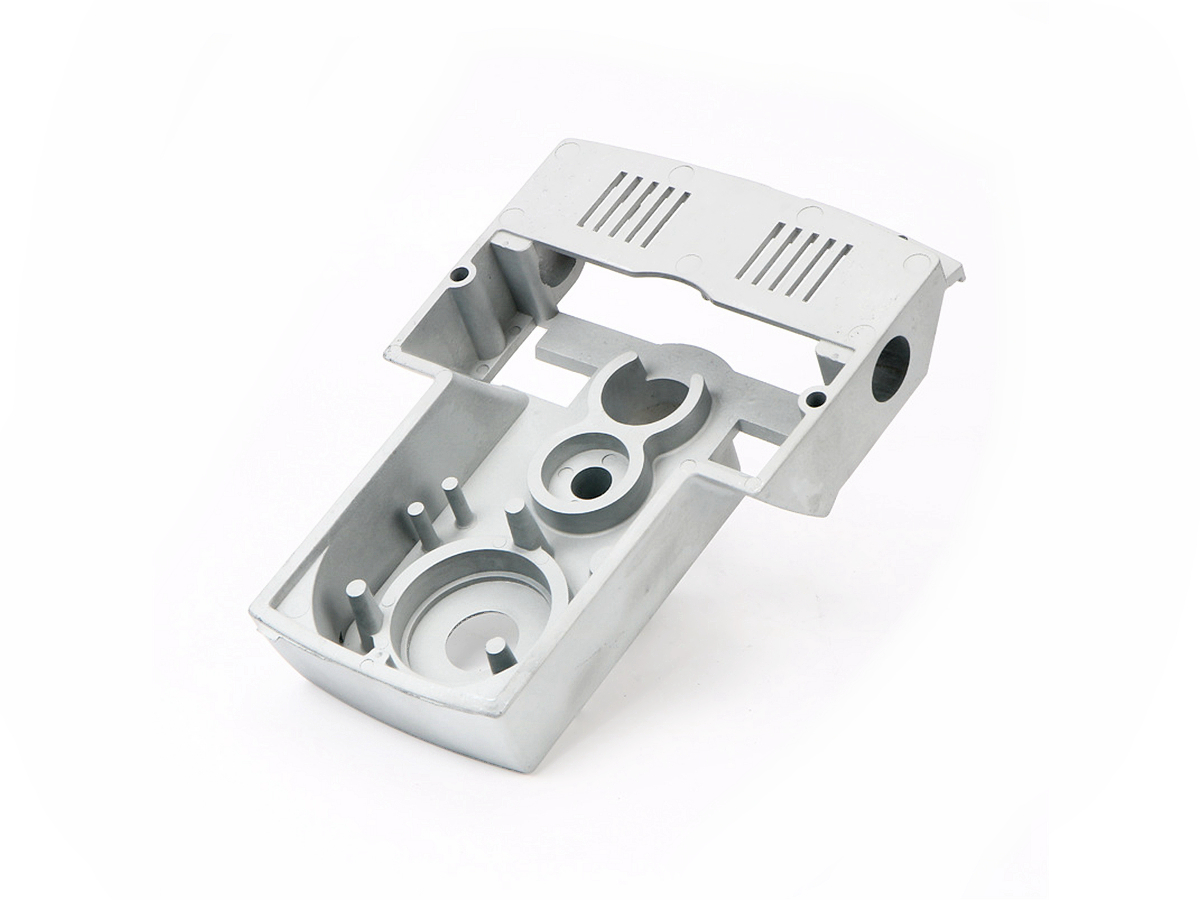
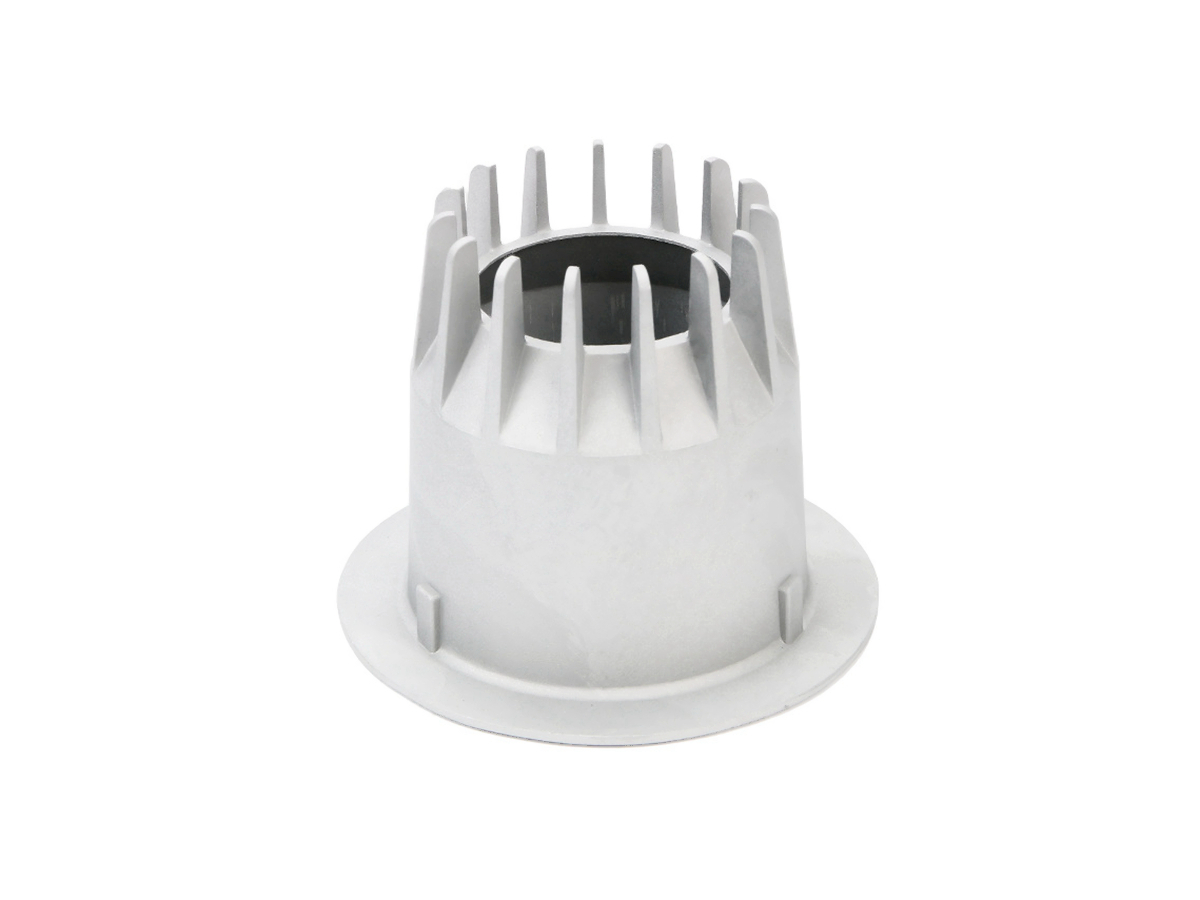
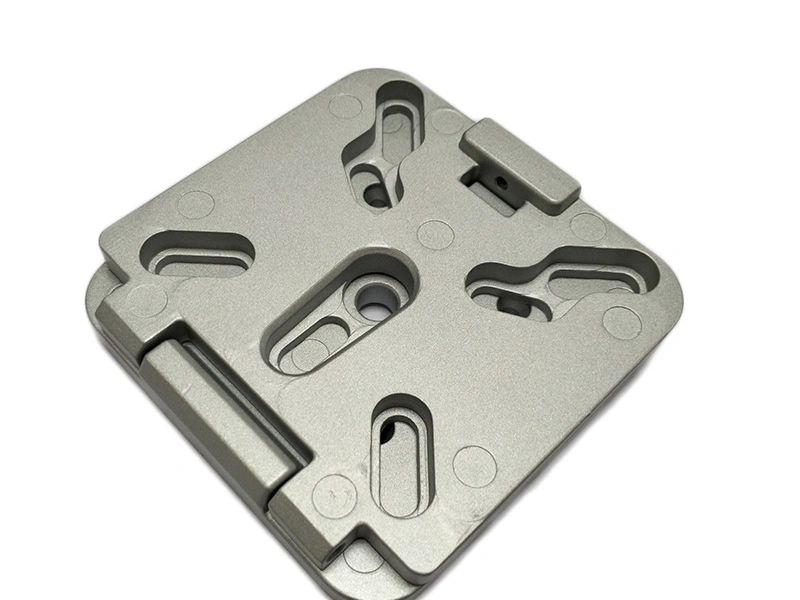
After aluminum die casting, parts may show parting lines, burrs, gate marks, slight oxidation, rough texture, or local surface variation. A suitable surface treatment can improve appearance consistency, protect the part from corrosion, prepare the surface for coating, and improve the value of the finished product.
For buyers, surface treatment should not be decided at the end of the project. It should be discussed during design review, quotation, tooling planning, die casting, CNC machining, and inspection planning. When surface treatment requirements are confirmed early, buyers can reduce cosmetic rejection, coating failure, rework, and unexpected cost.
Why Aluminum Surface Treatments Matter for Die Cast Parts
Aluminum die cast parts often need both functional performance and controlled surface quality. Even when a part meets dimensional requirements, the surface may still need improvement before assembly, coating, painting, or final delivery. Surface treatments help turn a cast aluminum part into a usable and market-ready component.
Common as-cast surface conditions include parting lines, flash, burrs, gate marks, ejector marks, slight oxidation, rough texture, and small cosmetic variations. These issues may not always affect basic function, but they can affect visible quality, coating adhesion, customer acceptance, and long-term durability.
Surface treatment is especially important for visible housings, covers, handles, LED lighting components, automotive exterior or interior parts, industrial equipment parts, and consumer-facing products. Buyers sourcing custom aluminum die cast parts should define surface treatment needs before production instead of waiting until finished parts are inspected.
Why Surface Treatment Matters | How It Helps Aluminum Die Cast Parts | Buyer Value |
|---|---|---|
Appearance consistency | Improves visible surfaces and reduces uneven texture | Better product presentation and customer acceptance |
Corrosion resistance | Protects aluminum surfaces from oxidation and environmental exposure | Longer service life in outdoor or industrial use |
Coating adhesion | Creates a cleaner and more suitable surface before coating or painting | Reduces peeling, poor adhesion, and rework |
Assembly performance | Improves contact surfaces, handling edges, and mating areas | Better fit, feel, and installation quality |
Total purchasing value | Reduces rejection, rework, and quality disputes | Improves final part value beyond unit price |
Common Aluminum Surface Treatments for Die Cast Parts
Different aluminum surface treatments serve different purposes. Some treatments remove burrs or sharp edges. Some improve appearance. Some improve corrosion resistance. Others prepare functional or precision areas for assembly. The right choice depends on the part application, surface quality requirement, coating requirement, and cost target.
Buyers should not apply the same surface treatment standard to every surface. Cosmetic faces, assembly faces, machined faces, hidden faces, and non-critical internal areas may require different levels of surface treatment. This helps control cost while protecting the areas that matter most.
Surface Treatment | Main Purpose | Suitable Parts |
|---|---|---|
Deburring | Remove sharp edges, flash, and small burrs | Most die cast aluminum parts |
Polishing | Improve appearance, smoothness, and hand feel | Visible surfaces and cosmetic parts |
Painting | Improve color, surface protection, and product appearance | Housings, covers, consumer products, and visible components |
Powder coating | Improve durability, corrosion resistance, and decorative quality | Industrial parts, outdoor parts, equipment covers, and hardware |
Plating | Improve surface hardness, appearance, or functional surface quality | Functional or decorative aluminum parts when suitable |
Anodizing | Depends on alloy selection and casting surface quality | Selected aluminum cast parts with compatible material and surface condition |
CNC machining finish | Improve precision surfaces after casting | Holes, threads, sealing faces, flatness areas, and assembly datums |
How Surface Treatment Affects Part Appearance
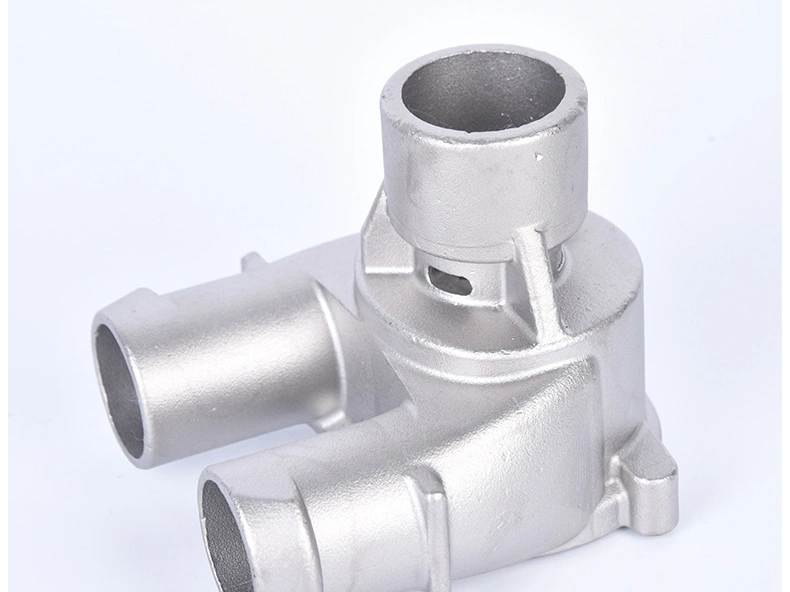
Surface treatment has a major effect on the final appearance of aluminum die cast parts. For visible components, buyers should define cosmetic surfaces before tooling and production begin. Cosmetic surfaces may need better casting quality, better polishing, stricter inspection, and more controlled coating or painting standards.
Different surface treatments require different levels of original casting quality. If the die cast part has porosity, shrinkage, flow marks, deep scratches, or unstable surface texture, later coating may not fully hide the problem. Polishing can improve slight roughness and surface inconsistency, but it cannot truly repair internal defects or severe casting defects.
Painting and powder coating also depend on surface preparation. If burrs, oil, oxide, dust, or surface defects are not controlled before coating, the final appearance may show poor adhesion, uneven texture, color inconsistency, or premature peeling. This is why surface treatment planning should be connected with casting quality, tooling condition, and CNC machining after die casting when machined visible surfaces are involved.
Appearance Factor | What Buyers Should Define | Risk if Ignored |
|---|---|---|
Cosmetic surfaces | Which faces are visible after assembly | Visible defects may appear in important areas |
Allowed casting marks | Whether slight parting lines, gate marks, or ejector marks are acceptable | Quality disputes during inspection |
Polishing level | Required smoothness and visual consistency | Over-polishing cost or poor appearance |
Coating surface condition | Cleanliness, roughness, and pre-treatment needs | Peeling, poor adhesion, and coating failure |
Sample approval | Reference sample for final appearance | Mismatch between buyer expectation and supplier output |
How Surface Treatments Improve Corrosion Resistance
Aluminum has natural corrosion resistance in many environments, but die cast aluminum parts can still need additional protection when used outdoors, in vehicles, near moisture, in industrial equipment, or in environments with chemicals, salt, heat, or repeated handling.
Surface treatments can reduce oxidation, slow corrosion, improve coating durability, and protect the final product from appearance aging. For automotive parts, outdoor lighting fixtures, marine-related parts, industrial covers, and equipment housings, corrosion protection is often a functional requirement rather than only a visual requirement.
The right surface treatment depends on the use environment. A hidden internal part may only need basic deburring and cleaning. A visible outdoor housing may need painting or powder coating. A precision assembly part may need machined surfaces protected from oxidation while still maintaining tolerance. Buyers should define corrosion resistance expectations before quotation so the supplier can plan the right process.
Use Environment | Surface Treatment Focus | Buyer Concern |
|---|---|---|
Indoor consumer product | Appearance, touch feel, and coating consistency | Cosmetic quality and user perception |
Outdoor equipment | Corrosion resistance and weather protection | Long-term appearance and durability |
Automotive parts | Corrosion resistance, wear resistance, and stable assembly | Service life and batch reliability |
Industrial machinery | Protection against wear, oil, moisture, and handling | Reduced maintenance and failure risk |
Lighting parts | Thermal performance, coating adhesion, and appearance | Heat control and finish stability |
How Surface Treatment Choice Affects Cost
Surface treatment choice affects aluminum die casting cost because each process has different labor, equipment, handling, inspection, and rework requirements. A simple deburring process is very different from a high cosmetic polishing, painting, or powder coating requirement.
Higher appearance grades usually increase cost. They may require better casting surfaces, more polishing, stricter cleaning, more careful coating control, full visual inspection, and more rework if parts do not meet the standard. This is why buyers should not require high-grade finishing on all surfaces unless every surface truly needs it.
A cost-effective approach is to separate surfaces by function. Key cosmetic faces can receive higher-level finishing. Assembly or sealing faces can receive machining or controlled finishing. Hidden or non-critical surfaces can often remain as-cast or receive basic treatment. This helps buyers reduce cost while maintaining product quality where it matters.
Cost Factor | Why It Increases Cost | Cost Control Method |
|---|---|---|
Surface area | Larger treated areas require more labor, coating material, and inspection | Treat only the surfaces that need it |
Appearance grade | Higher visual standards require more polishing and inspection | Define cosmetic faces clearly |
Part complexity | Deep pockets, ribs, edges, and curves are harder to finish evenly | Review surface treatment feasibility during design |
Casting quality | Porosity, flash, and shrinkage may cause finishing rework | Improve casting quality and tooling control |
Coating requirement | Painting and powder coating need surface preparation and process control | Confirm coating standard before quotation |
Inspection level | Visible parts may require full cosmetic inspection | Use samples and clear acceptance criteria |
What Buyers Should Provide Before Choosing Aluminum Surface Treatments
Buyers should provide clear surface treatment requirements before quotation. If the supplier only receives a 3D model without appearance, coating, environment, and tolerance information, the quotation may not reflect the real manufacturing cost.
Important information includes 2D drawings, 3D models, cosmetic surface markings, use environment, color requirement, surface roughness requirement, coating or painting requirement, corrosion resistance expectation, assembly surfaces, sealing surfaces, annual demand, and whether the part needs CNC machining.
If machined surfaces are required, buyers should identify holes, threads, sealing faces, flatness areas, and datums that need precision surfaces after die casting. This helps the supplier evaluate machining allowance, fixture design, inspection method, and finishing sequence.
Buyer Information | Why It Is Needed | What It Helps the Supplier Decide |
|---|---|---|
2D drawing | Shows dimensions, tolerances, and notes | Which areas need machining or finishing control |
3D model | Shows part geometry and surface areas | Surface treatment feasibility and tooling impact |
Cosmetic surface marking | Identifies visible and appearance-critical faces | Where higher finish standards are required |
Use environment | Defines corrosion, wear, heat, or outdoor exposure | Which surface treatment is suitable |
Color and coating requirement | Clarifies final appearance and protection target | Painting, powder coating, or other finishing plan |
Surface roughness requirement | Defines measurable surface quality when required | Whether polishing or machining is needed |
Assembly and sealing surfaces | Identifies functional contact areas | Machining, protection, and inspection planning |
Annual demand | Affects tooling, finishing process, and inspection plan | Production cost and batch control strategy |
How to Choose the Right Surface Treatment Supplier
Choosing a surface treatment supplier for aluminum die cast parts should not be based only on finishing price. Buyers should confirm whether the supplier understands aluminum die casting, casting defects, tooling influence, CNC machining, cosmetic surface control, coating compatibility, and inspection standards.
A capable supplier should evaluate the original casting surface before recommending surface treatment. If the part has burrs, flash, porosity, shrinkage, or unstable texture, the surface treatment process may need adjustment. The supplier should also understand how die casting tooling affects parting lines, gate marks, ejector marks, and visible surface quality.
For parts requiring precision surfaces, the supplier should also support machined aluminum die cast parts and understand how CNC machining affects final finishing. A supplier that can quote functional surfaces and cosmetic surfaces separately can help buyers control cost more effectively.
Supplier Capability | Why Buyers Should Check It | What It Helps Prevent |
|---|---|---|
Aluminum die casting knowledge | Surface treatment result depends on casting quality | Coating defects and cosmetic rejection |
Material and treatment matching | Not every treatment fits every alloy or surface condition | Wrong finishing selection |
Burr and defect control | Flash, burrs, porosity, and rough texture affect finishing | Rework and unstable appearance |
CNC machining support | Precision surfaces may need machining before or after finishing | Poor fit, poor sealing, or tool mark issues |
Separate cosmetic and functional quoting | Not every surface needs the same finish level | Unnecessary finishing cost |
Sample confirmation | Samples align appearance and quality expectations before production | Batch rejection and delivery disputes |
Neway supports custom aluminum die casting projects that require metal casting service, aluminum die casting, tooling, CNC machining, and surface treatment planning. For buyers sourcing aluminum surface treatments for custom aluminum die cast parts, early planning helps improve appearance, corrosion resistance, coating quality, and total purchasing value.
FAQ