
Aplicación del Pegado en Piezas de Fundición a Presión Personalizadas
Introducción: Por qué el Pegado es Importante en los Ensamblajes Modernos de Fundición a Presión
A medida que la demanda de productos más ligeros, pequeños y complejos sigue aumentando en los sectores de electrónica, automoción, iluminación y dispositivos de consumo, el papel de los adhesivos estructurales en los ensamblajes de fundición a presión se ha vuelto cada vez más significativo. En Neway, diseñamos soluciones de fundición a presión que combinan fundición de precisión, mecanizado posterior y técnicas avanzadas de unión para ofrecer resultados óptimos. Entre estas, el pegado—a menudo pasado por alto en comparación con los sujetadores mecánicos—proporciona un método versátil para unir piezas de aluminio, zinc y cobre.
El pegado mejora la flexibilidad de diseño, reduce el estrés mecánico y elimina la necesidad de estructuras de montaje adicionales. Cuando se diseña y valida adecuadamente, los adhesivos estructurales logran altos niveles de estanqueidad, resistencia a las vibraciones y rendimiento mecánico, permitiendo a los clientes alcanzar una mayor integración y una fiabilidad mejorada.
Este artículo examina la aplicación del pegado en piezas de fundición a presión personalizadas, las consideraciones de ingeniería detrás de la selección de adhesivos, los materiales y procesos compatibles, y cómo Neway integra la unión adhesiva en sus flujos de trabajo de fabricación integral.
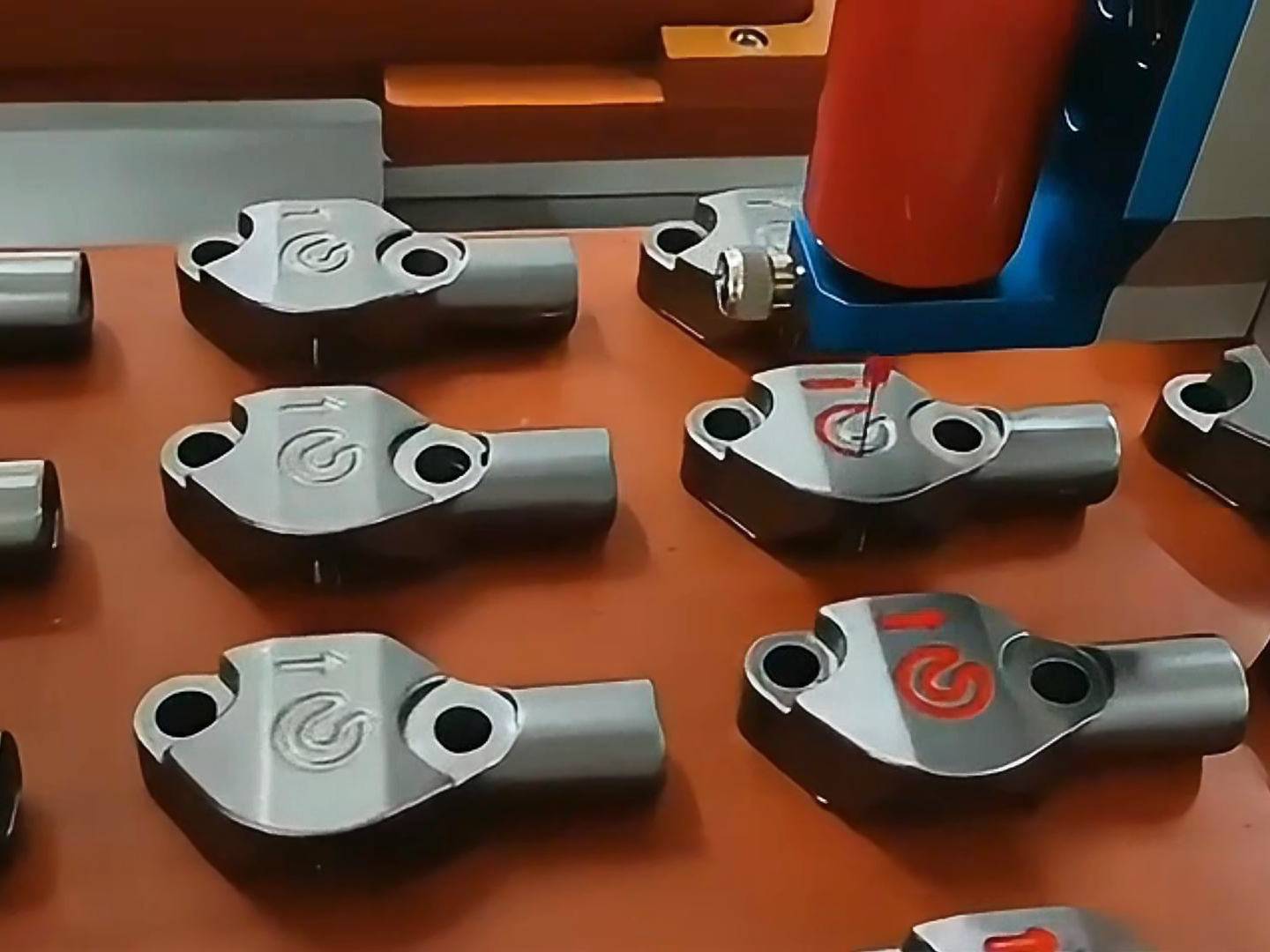
Ventajas Clave del Pegado para Componentes de Fundición a Presión Personalizados
El pegado ofrece beneficios únicos para componentes fundidos fabricados con aleaciones de aluminio, zinc o cobre a alta presión. Una ventaja importante es la capacidad de unir materiales diferentes sin introducir estrés mecánico que pueda distorsionar estructuras de pared delgada—especialmente crítico para carcasas creadas mediante fundición a presión de aluminio. Las uniones adhesivas distribuyen las cargas uniformemente, evitando la deformación local que los tornillos o remaches pueden causar en geometrías delicadas.
Otra ventaja es la simplificación del diseño. Muchos productos de consumo incorporan carcasas intrincadas o estructuras de encaje producidas mediante fundición a presión de zinc. El pegado permite a los ingenieros eliminar nervaduras, sujetadores o salientes innecesarios, permitiendo superficies más delgadas y estéticamente refinadas. Esto hace que los adhesivos sean particularmente adecuados para carcasas de electrónica premium, componentes de conectores y marcos decorativos de aleación de zinc.
Para componentes industriales o automotrices de servicio pesado, la unión estructural también mejora la resistencia a las vibraciones y la fatiga térmica. Cuando se aplica a componentes de aleación de cobre—como los creados mediante fundición a presión de cobre—el pegado asegura aislamiento eléctrico o estanqueidad alrededor de elementos conductores, apoyando un rendimiento funcional mejorado.
Materiales Adecuados y Requisitos de Superficie
El rendimiento de la unión adhesiva depende en gran medida de la aleación base utilizada en el proceso de fundición a presión. Cada grupo de aleación presenta características de unión y necesidades de preparación únicas. Las piezas fundidas de aluminio, especialmente las aleaciones listadas bajo aleaciones de aluminio para fundición a presión, típicamente requieren activación de superficie debido a las capas de óxido natural. Los materiales a base de zinc de la línea de productos aleaciones de zinc para fundición a presión de Neway generalmente se unen fácilmente debido a la fina energía superficial del zinc y su excelente humectabilidad con adhesivos industriales.
Los materiales a base de cobre también funcionan bien cuando se combinan con sistemas adhesivos compatibles. Por ejemplo, los proyectos de unión que involucran aleaciones de latón de cobre a menudo requieren abrasión ligera o limpieza para garantizar una adhesión óptima. El resultado es un rendimiento mecánico y térmico estable incluso bajo condiciones operativas fluctuantes.
Para garantizar una adhesión fuerte, puede ser necesario el rugosizado de superficie, desengrasado químico o microabrasión. Durante las etapas de prototipado—especialmente con el apoyo de prototipos de fundición a presión—probamos múltiples adhesivos con conjuntos de materiales específicos del cliente y características geométricas para garantizar la integridad constante de la unión.
Consideraciones de Ingeniería al Diseñar para la Unión Adhesiva
Aplicar correctamente la tecnología de pegado en ensamblajes de fundición a presión comienza con el diseño de ingeniería. Los diseñadores deben considerar la accesibilidad de la superficie, el volumen del área de unión, el tipo de adhesivo y los casos de carga esperados. A diferencia del sujetado mecánico, que concentra la carga en puntos específicos, las uniones adhesivas requieren líneas de unión optimizadas con una distribución de tensiones predecible.
Otro factor importante es mantener tolerancias controladas. Las piezas que se someten a mecanizado posterior de fundición a presión a menudo proporcionan superficies más consistentes para la unión. Las superficies planas mecanizadas, ranuras o canales ayudan a garantizar que las capas de adhesivo mantengan un grosor uniforme, lo cual es crítico para maximizar la resistencia al cizallamiento y al desprendimiento.
El rendimiento ambiental también importa. Las carcasas expuestas a condiciones exteriores o atmósferas corrosivas a menudo requieren materiales resistentes a la corrosión. Los componentes producidos a partir de Zamak 5 u otras aleaciones de zinc-aluminio-cobre pueden recibir tratamientos superficiales como pintura de fundición a presión después de la unión para garantizar protección estética sin comprometer la estabilidad del adhesivo.
Las diferencias de expansión térmica entre las piezas pegadas también deben evaluarse. Por ejemplo, el hardware electrónico—similar al mostrado en el estudio de caso de hardware de electrónica de consumo de Neway—requiere adhesivos que puedan tolerar ciclos de temperatura y mantener la estabilidad dimensional.
Aplicaciones Comunes en Diversas Industrias
El pegado se utiliza ampliamente en la producción de carcasas, disipadores de calor, conectores, soportes y piezas estéticas de fundición a presión. Las industrias con requisitos de ensamblaje complejos, como la automoción, iluminación y electrónica de consumo, se benefician significativamente de la unión adhesiva.
Para el hardware automotriz, la unión adhesiva favorece un mejor sellado de juntas y control de NVH (ruido, vibración, dureza). Los proyectos que involucran componentes automotrices dependen de adhesivos para ensamblar piezas ligeras de aluminio sin introducir vías de vibración.
En la electrónica de consumo, el pegado ayuda a fijar pantallas, marcos decorativos y módulos internos a carcasas fundidas. Por ejemplo, proyectos de fabricación como marcos de fundición a presión de Zamak usan pegamento para lograr transiciones limpias y sin costuras entre inserciones de metal y polímero.
Las carcasas de iluminación y los componentes térmicos también emplean con frecuencia la unión adhesiva para fijar lentes, placas de montaje y elementos de disipación de calor. Estos ensamblajes a menudo involucran piezas arenadas o con recubrimiento en polvo terminadas mediante recubrimiento en polvo de fundición a presión para mejorar la durabilidad y la adhesión.
Cómo el Pegado Apoya los Flujos de Trabajo de Fabricación Integral en Neway
Una de las ventajas de Neway es la capacidad de integrar el pegado directamente en un flujo de trabajo de fabricación completo. Desde la fundición y el mecanizado hasta el acabado y el ensamblaje, ofrecemos un enfoque unificado que garantiza consistencia y eficiencia.
Cuando los clientes eligen nuestro servicio integral, especialmente a través de nuestra plataforma de servicio integral de fundición a presión, obtienen la capacidad de controlar los requisitos de unión durante las etapas de diseño y ensamblaje. Nuestro equipo de ingeniería evalúa las condiciones de tensión, las superficies de unión, el tipo de adhesivo, los métodos de curado y las técnicas de aplicación desde el inicio del ciclo de desarrollo.
Durante las series piloto de bajo volumen apoyadas por fabricación de bajo volumen de fundición a presión, proporcionamos pruebas de viabilidad de adhesivos para determinar si los adhesivos estructurales, adhesivos instantáneos o selladores elastoméricos funcionan mejor. Los sistemas de dispensado automatizado y los entornos de curado controlados garantizan una calidad consistente en los lotes de producción.
Preparación de Superficie y Acabados Posteriores a la Unión
El pegado requiere superficies libres de contaminantes, óxidos y residuos de mecanizado. Dependiendo de la aleación, aplicamos granallado, vibrado, limpieza química o microabrasión antes de dispensar el adhesivo. Técnicas como la anodización de fundición a presión pueden aplicarse a componentes cuando los clientes necesitan un rendimiento mejorado contra la corrosión antes de ensamblar estructuras unidas.
Después de la unión, los ensamblajes pueden recibir acabados estéticos o someterse a controles de calidad finales. Las tecnologías de inspección de precisión—similares a las utilizadas en la inspección de fundición a presión—validan el relleno del adhesivo, la consistencia de las brechas y el rendimiento del sellado. Estos pasos garantizan la fiabilidad en componentes críticos para herramientas eléctricas, carcasas electrónicas y ensamblajes automotrices.
Pegado vs. Sujetado Mecánico: Cuándo los Adhesivos son la Mejor Opción
Si bien los sujetadores mecánicos siguen siendo valiosos, el pegado proporciona ventajas significativas cuando:
• El espacio es limitado • Los componentes de fundición a presión de pared delgada no pueden aceptar insertos roscados • Las superficies estéticas requieren una apariencia sin costuras • Se deben unir materiales diferentes • La reducción de peso es una prioridad • La amortiguación de vibraciones es importante
Para muchas categorías modernas de productos, el pegado a menudo mejora tanto la fabricabilidad como la usabilidad.
Conclusión: El Papel Estratégico del Pegado en la Ingeniería de Fundición a Presión
El pegado ya no es un método de unión secundario—es una herramienta de ingeniería estratégica. Para componentes de fundición a presión personalizados, los adhesivos permiten una mejor flexibilidad de diseño, simplicidad estructural y un rendimiento mejorado en diversos entornos e industrias. Cuando se integra en la cadena de fabricación integral de Neway, el pegado respalda un ensamblaje rentable y de alta precisión que cumple con requisitos exigentes.
A medida que la fundición a presión evoluciona hacia estructuras más ligeras, tolerancias más ajustadas y superficies estéticamente refinadas, la unión adhesiva continuará proporcionando ventajas clave en fabricabilidad y rendimiento mecánico.
Preguntas Frecuentes
¿Qué tipos de adhesivos son los más adecuados para piezas de fundición a presión de aluminio y zinc?
¿Cómo afecta la preparación de la superficie al rendimiento del pegado en componentes de fundición a presión?
¿Pueden los ensamblajes pegados de fundición a presión soportar altas vibraciones o ciclos de temperatura?
¿Qué industrias se benefician más de la unión adhesiva en piezas de fundición a presión?
¿Cómo valida Neway la resistencia mecánica de los ensamblajes unidos?
