
Recubrimientos en Polvo Epoxi para Piezas de Fundición a Presión de Interior
Introducción
En el ámbito del acabado de componentes de fundición a presión para interiores, los recubrimientos en polvo epoxi se han establecido como la solución principal para aplicaciones que exigen una resistencia química excepcional, durabilidad mecánica y propiedades de aislamiento eléctrico. Aunque limitados en aplicaciones exteriores debido a su sensibilidad a los rayos UV, las formulaciones epoxi ofrecen un rendimiento inigualable para componentes de interior que operan en entornos exigentes. En Neway, los recubrimientos en polvo epoxi representan un segmento especializado dentro de nuestras completas capacidades de recubrimiento en polvo, proporcionando acabados protectores superiores para aplicaciones de interior en fundición a presión de aluminio, fundición a presión de zinc y fundición a presión de cobre.
A diferencia de los recubrimientos diseñados para exposición exterior, los recubrimientos en polvo epoxi aprovechan su estructura química única para proporcionar una resistencia excepcional a productos químicos, disolventes y abrasión mecánica, manteniendo al mismo tiempo excelentes propiedades de aislamiento eléctrico. Este enfoque de recubrimiento especializado se ha vuelto esencial para componentes de interior que requieren la máxima protección frente a condiciones de funcionamiento severas dentro de nuestro entorno de fabricación integrado de servicio integral.
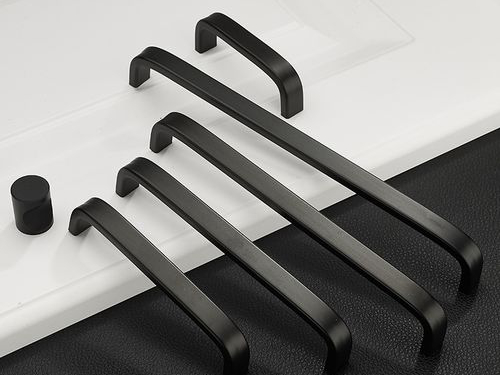
¿Qué son los Recubrimientos en Polvo Epoxi?
Los recubrimientos en polvo epoxi son acabados poliméricos termoendurecibles basados en la química de resinas epoxi, que proporcionan una resistencia química excepcional, durabilidad mecánica y aislamiento eléctrico para componentes de fundición a presión de interior. Estos recubrimientos se forman mediante la reacción entre resinas epoxi y agentes de curado, típicamente dicianodiamida o endurecedores fenólicos, resultando en una red polimérica tridimensional densamente reticulada tras el curado a temperaturas elevadas.
La estructura molecular única de los recubrimientos epoxi crea acabados con una fuerza de enlace químico, dureza y propiedades de adhesión excepcionales. La química basada en bisfenol-A y epiclorhidrina produce recubrimientos con una resistencia sobresaliente a productos químicos, disolventes y entornos corrosivos, al tiempo que proporciona una excelente rigidez dieléctrica y aislamiento eléctrico. Esta combinación de resistencia química y propiedades eléctricas ha establecido a los recubrimientos en polvo epoxi como la opción preferida para aplicaciones de interior donde se requiere la máxima protección frente a entornos agresivos.
Principales Beneficios de los Recubrimientos en Polvo Epoxi
La implementación de recubrimientos en polvo epoxi ofrece ventajas significativas para aplicaciones de fundición a presión de interior:
Resistencia Química Excepcional: Resistencia superior a ácidos, álcalis, disolventes y productos químicos agresivos
Excelente Durabilidad Mecánica: Resistencia al impacto superior a 160 in-lbs con una dureza sobresaliente (3H-5H)
Propiedades Eléctricas Superiores: Rigidez dieléctrica superior a 1000 voltios/mil y resistividad volumétrica >10¹⁵ ohm-cm
Adhesión Sobresaliente: Excelente unión a varios sustratos, incluyendo aleaciones de aluminio, aleaciones de zinc y aleaciones de cobre
Excelente Resistencia a la Abrasión: Valores de resistencia a la abrasión Taber inferiores a 30mg de pérdida de peso (rueda CS-10, 1000 ciclos)
Estabilidad Térmica: Temperaturas de servicio continuo desde -30°C hasta 120°C
Protección contra la Corrosión: Excelentes propiedades de barrera con resistencia a la niebla salina superior a 500 horas
Superficies Higiénicas: Acabados lisos y no porosos adecuados para aplicaciones en salas limpias y procesamiento de alimentos
Proceso de Aplicación y Técnicas
El proceso de recubrimiento en polvo epoxi de Neway sigue procedimientos meticulosos para garantizar un rendimiento óptimo en interiores:
Preparación Avanzada de la Superficie: Limpieza exhaustiva y chorreado de arena seguido de un pretratamiento químico
Aplicación de Precisión: Deposición por pulverización electrostática con espesor de película y uniformidad controlados
Proceso de Curado Optimizado: Curado térmico a 150-190°C durante 10-20 minutos para una reticulación completa
Control del Espesor de la Película: Espesor típico de 50-150 micras con excelente cobertura en bordes
Formulaciones Especializadas: Formulaciones específicas para la aplicación, incluyendo opciones de alto espesor y curado a baja temperatura
Verificación de Calidad: Inspección exhaustiva, incluyendo pruebas dieléctricas y verificación de resistencia química
Acabados Personalizados: Amplia gama de colores, texturas y niveles de brillo para requisitos estéticos
Documentación: Registros completos del proceso y certificación de rendimiento
Acabados para Interior y Opciones Estéticas
Los recubrimientos en polvo epoxi ofrecen amplias posibilidades de acabado para aplicaciones de interior:
Acabados de Alto Brillo: Superficies brillantes con excelente limpiabilidad y resistencia química
Opciones Mate y Satinadas: Acabados de bajo brillo (10-40 a 60°) para reducir el deslumbramiento y una apariencia sofisticada
Variantes Texturizadas: Acabados arrugados, martillados y texturizados para mejorar el agarre y el atractivo visual
Colores Funcionales: Codificación por colores para fines eléctricos, de seguridad e identificación
Formulaciones Antimicrobianas: Aditivos especiales para aplicaciones sanitarias y de procesamiento de alimentos
Acabados Conformes con la FDA: Formulaciones que cumplen con la FDA CFR 175.300 para superficies en contacto con alimentos
Coincidencia de Color Personalizada: Formulación precisa del color para identidad de marca y requisitos estéticos
Opciones de Capa Transparente: Recubrimientos transparentes para aislamiento eléctrico sin alteración del color
Características de Rendimiento y Especificaciones
Los recubrimientos en polvo epoxi ofrecen un rendimiento excepcional en métricas críticas para interiores:
Excelencia Mecánica: Dureza de lápiz de 3H-5H con excelente resistencia a arañazos y marcas
Rendimiento de Adhesión: Calificaciones de adhesión en cuadrícula de 5B según ASTM D3359
Resistencia Química: Resiste la exposición prolongada a ácidos, álcalis, disolventes y productos químicos de limpieza
Propiedades Eléctricas: Rigidez dieléctrica 1000-2000 voltios/mil, resistividad superficial >10¹³ ohmios/cuadrado
Rendimiento Térmico: Resistencia al calor manteniendo propiedades hasta 120°C de servicio continuo
Resistencia al Impacto: Resistencia al impacto directo e inverso superior a 160 in-lbs según ASTM D2794
Flexibilidad: Pruebas de flexión en mandril que no muestran agrietamiento a 1/8" de diámetro según ASTM D522
Resistencia a la Abrasión: Valores de abrasión Taber inferiores a 30mg de pérdida de peso según ASTM D4060
Aplicaciones en Componentes de Fundición a Presión de Interior
Los recubrimientos en polvo epoxi cumplen funciones protectoras críticas en diversas aplicaciones de interior:
Carcasas Eléctricas: Aislamiento superior para componentes en carcasas de bases de datos de Huawei y envolventes electrónicas
Equipos Industriales: Acabados resistentes a productos químicos para maquinaria, marcos y componentes estructurales
Equipos de Laboratorio: Protección frente a exposición química y fácil limpieza para instrumentos científicos
Maquinaria de Procesamiento de Alimentos: Acabados conformes con la FDA para equipos que cumplen requisitos sanitarios
Dispositivos Médicos: Superficies resistentes a productos químicos y limpiables para equipos e instrumentos sanitarios
Componentes Automotrices: Piezas de interior que requieren resistencia química y a la abrasión
Equipos de Manejo de Materiales: Acabados duraderos para sistemas de transporte, estanterías y contenedores industriales
Electrodomésticos Comerciales: Acabados protectores para componentes y carcasas de electrodomésticos de interior
Comparación con Tecnologías de Recubrimiento Alternativas
Los recubrimientos en polvo epoxi ofrecen ventajas distintivas para aplicaciones de interior:
Frente a Epoxi Líquido: Mayor cumplimiento ambiental, mayor eficiencia de transferencia y reducción de residuos
Frente a Anodizado: Mejor resistencia química, aislamiento eléctrico y opciones de color
Frente a Polvos de Poliéster: Resistencia química superior, mejor adhesión y mayor dureza
Frente a Polvos de Poliuretano: Mejor resistencia química, propiedades eléctricas superiores y mayor dureza
Frente a Polvos Acrílicos: Resistencia química mejorada, mejor adhesión y propiedades mecánicas superiores
Frente a E-Coat: Mayor espesor de película, mejor cobertura en bordes y resistencia química superior
Protocolos de Control de Calidad y Pruebas
El compromiso de Neway con la excelencia en calidad se refleja en nuestros exhaustivos protocolos de prueba:
Pruebas Eléctricas: Mediciones de rigidez dieléctrica, resistencia de aislamiento y resistividad superficial
Resistencia Química: Pruebas de exposición a productos químicos, disolventes y agentes de limpieza específicos
Verificación de Adhesión: Pruebas de cuadrícula, desprendimiento e impacto según normas internacionales
Control del Espesor de la Película: Medición precisa con monitorización de control estadístico de procesos
Rendimiento Mecánico: Verificación de dureza, flexibilidad y resistencia a la abrasión
Evaluación de la Apariencia: Evaluación del color, brillo, textura y calidad superficial
Estabilidad Térmica: Pruebas de resistencia al calor y evaluación de ciclado térmico
Cumplimiento de Certificación: Pruebas para cumplir con normas específicas UL, NSF, FDA y de la industria
Aplicaciones Industriales y Casos de Estudio
Los recubrimientos en polvo epoxi han demostrado un valor excepcional en aplicaciones de interior:
Eléctrica y Electrónica: Acabados aislantes para componentes en carcasas de bases de datos de Huawei
Maquinaria Industrial: Protección resistente a productos químicos para marcos de equipos y envolventes
Alimentos y Bebidas: Acabados sanitarios que cumplen con los estándares FDA y NSF para equipos de procesamiento
Equipos Sanitarios: Superficies resistentes a productos químicos para dispositivos médicos e instrumentos de laboratorio
Interiores Automotrices: Acabados duraderos para componentes de interior y aplicaciones bajo el capó
Aplicaciones Comerciales: Acabados protectores para componentes de electrodomésticos y equipos comerciales
Manejo de Materiales: Recubrimientos resistentes a la abrasión para sistemas de transporte y contenedores industriales
Infraestructura de Edificios: Acabados protectores para conductos eléctricos, cajas de conexión y componentes estructurales de interior
Innovación Técnica y Avances en Formulación
Neway continúa avanzando en las capacidades de los recubrimientos en polvo epoxi mediante una innovación constante:
Tecnología de Formulación Mejorada: Resinas epoxi de próxima generación para una mayor flexibilidad y resistencia al impacto
Sistemas de Curado a Baja Temperatura: Formulaciones energéticamente eficientes que curan a 130-150°C
Paquetes de Aditivos Especializados: Aditivos antimicrobianos, antiestáticos y de protección mejorada contra la corrosión
Avances Ambientales: Reducción del impacto ambiental, formulaciones e iniciativas de reciclaje
Tecnología de Aplicación: Sistemas de aplicación robótica para geometrías complejas y calidad consistente
Sistemas de Garantía de Calidad: Inspección automatizada y control estadístico de procesos para calidad premium
Desarrollo de Formulaciones Personalizadas: Formulaciones patentadas para aplicaciones específicas de clientes
Cumplimiento Normativo: Formulaciones que cumplen con las regulaciones ambientales y de seguridad en evolución
Integración con los Flujos de Trabajo de Fabricación
El recubrimiento en polvo epoxi funciona como un componente integral dentro del ecosistema de fabricación de Neway:
Colaboración en la Fase de Diseño: Integración temprana de los requisitos de recubrimiento durante las consultas de servicio de diseño
Orientación en la Selección de Materiales: Recomendación de materiales de fundición optimizados para el rendimiento del recubrimiento epoxi
Validación de Prototipos: Pruebas exhaustivas durante la creación de prototipos para confirmar los requisitos de rendimiento en interiores
Procesamiento Secuencial: Posicionamiento estratégico dentro de los flujos de trabajo generales de postproceso
Integración de Calidad: Incorporación perfecta en exhaustivos protocolos de inspección
Implementación Escalable: Calidad consistente en requisitos de fabricación de bajo volumen y producción en masa
Coordinación de Ensamblaje: Planificación estratégica con operaciones de ensamblaje para componentes recubiertos
Gestión de Certificaciones: Documentación completa para aplicaciones reguladas y certificadas
Conclusión
Los recubrimientos en polvo epoxi representan la solución óptima para componentes de fundición a presión de interior que requieren una resistencia química excepcional, durabilidad mecánica y propiedades de aislamiento eléctrico. En Neway, nuestra experiencia en recubrimiento en polvo epoxi—integrada dentro de nuestro completo ecosistema de fabricación de servicio integral—permite a los clientes lograr especificaciones de superficie que cumplen con los requisitos de rendimiento, normativos y estéticos más exigentes para interiores.
A medida que las expectativas de rendimiento para componentes de interior continúan aumentando en los sectores industrial, eléctrico y comercial, los recubrimientos en polvo epoxi se erigen como la solución de acabado esencial para aplicaciones que requieren la máxima protección química, seguridad eléctrica y durabilidad a largo plazo. Al aprovechar esta tecnología de recubrimiento especializada, los fabricantes pueden lograr un rendimiento superior del producto, un mayor cumplimiento de seguridad y una mayor satisfacción del cliente, manteniendo al mismo tiempo la rentabilidad y la excelencia en fabricación en mercados competitivos.
Preguntas Frecuentes
¿Cuál es la temperatura máxima de servicio continuo para los recubrimientos en polvo epoxi?
¿Cómo se compara el recubrimiento en polvo epoxi con otros recubrimientos en cuanto a resistencia química?
¿Qué especificaciones y certificaciones eléctricas cumplen los polvos epoxi?
¿Qué tan duraderos son los recubrimientos en polvo epoxi frente a productos químicos y disolventes industriales?
¿Qué preparación del sustrato se requiere para un rendimiento óptimo del recubrimiento en polvo epoxi?
¿Se pueden usar los recubrimientos en polvo epoxi en aplicaciones de contacto con alimentos?
¿Cuáles son las limitaciones de los recubrimientos en polvo epoxi para aplicaciones exteriores?
