
Tumbado con Medios Metálicos: Fortalecimiento y Pulido de Superficies de Fundición a Presión
Introducción
En la búsqueda de una calidad superficial superior y propiedades mecánicas mejoradas para componentes de fundición a presión, el tumbado con medios metálicos ha surgido como una solución de acabado de primer nivel que combina el refinamiento superficial con el fortalecimiento del material. A diferencia de los procesos tradicionales de tumbado que se centran principalmente en el desbarbado y la mejora cosmética, el tumbado con medios metálicos ofrece mejoras medibles en la durabilidad de la pieza, la resistencia a la fatiga y la integridad superficial. En Neway, hemos integrado el avanzado tumbado con medios metálicos en nuestras capacidades integrales de post-proceso, proporcionando a los clientes una opción de acabado transformadora para aplicaciones críticas de fundición a presión de aluminio, fundición a presión de zinc y fundición a presión de cobre.
Este método avanzado de acabado utiliza medios metálicos diseñados con precisión para crear una combinación única de endurecimiento por deformación superficial y micro-pulido, lo que lo hace particularmente valioso para componentes sometidos a estrés mecánico, desgaste y condiciones de servicio exigentes. El proceso representa un avance significativo más allá de los métodos de acabado convencionales, ofreciendo nuestro servicio integral para piezas de fundición a presión.
¿Qué es el Tumbado con Medios Metálicos?
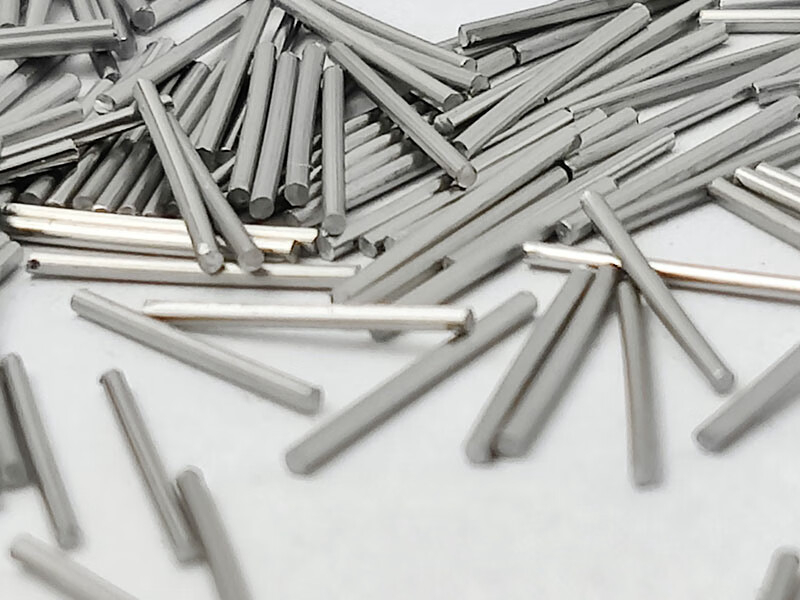
El tumbado con medios metálicos es un proceso avanzado de acabado en masa que utiliza medios de acero, acero inoxidable u otras aleaciones fabricados con precisión para endurecer por deformación, comprimir y pulir simultáneamente las superficies de los componentes de fundición a presión. A diferencia de los medios orgánicos o cerámicos que principalmente abrasan el material superficial, los medios metálicos crean una deformación plástica controlada a nivel microscópico, resultando en capas superficiales densificadas con propiedades mecánicas mejoradas.
El proceso emplea varios medios con formas, incluyendo pasadores, conos, bolas y cilindros, fabricados con aceros endurecidos o aleaciones especializadas. Estas piezas de medios logran una mejora superficial única a través de una combinación de acciones de impacto, rodadura y deslizamiento, que no se pueden lograr con métodos abrasivos tradicionales. El resultado es un componente con un acabado superficial excepcional y un rendimiento mecánico mejorado.
Beneficios Clave del Tumbado con Medios Metálicos
La implementación del tumbado con medios metálicos ofrece ventajas significativas en las dimensiones mecánica, cosmética y funcional:
Fortalecimiento Superficial: Induce tensiones de compresión que mejoran la vida a fatiga y la resistencia a la corrosión por tensión
Acabado Superficial Superior: Logra efectos de micro-pulido con valores de rugosidad superficial (Ra) tan bajos como 0.1-0.4 μm
Capa Superficial Densificada: Cierra la porosidad y crea una barrera contra la penetración de la corrosión
Resistencia al Desgaste Mejorada: Las superficies endurecidas por deformación demuestran una resistencia a la abrasión significativamente mejorada
Eliminación de Rebabas y Redondeo de Bordes: Procesa eficazmente los bordes afilados manteniendo la integridad dimensional
Consistencia del Proceso: Ofrece resultados repetibles en lotes de producción en masa
Versatilidad de Materiales: Compatible con varias aleaciones de aluminio, aleaciones de zinc y aleaciones de cobre
Mecanismos de Fortalecimiento en el Tumbado con Medios Metálicos
Los efectos únicos de fortalecimiento del tumbado con medios metálicos resultan de varios fenómenos mecánicos interconectados:
Efecto de Trabajo en Frío: La deformación plástica en la superficie crea capas endurecidas por deformación con mayor dureza
Inducción de Tensión de Compresión: Las tensiones residuales de compresión de 200-600 MPa mejoran el rendimiento a fatiga
Densificación Superficial: Colapsa y cierra la porosidad cercana a la superficie común en componentes de fundición a presión
Refinamiento de la Estructura Granular: Crea capas superficiales de grano ultrafino con propiedades mecánicas mejoradas
Suavizado Superficial: Reduce los puntos de concentración de tensión eliminando micro-muescas e irregularidades
Estos mecanismos trabajan sinérgicamente para crear componentes con características superficiales que a menudo superan las capacidades inherentes del material base.
Tipos de Medios Metálicos para Tumbado
Neway emplea una gama integral de tipos de medios metálicos, cada uno diseñado para aplicaciones específicas y combinaciones de materiales:
Medios de Acero Pre-Endurecido: Medios de alta densidad para corte agresivo y endurecimiento por deformación significativo
Medios de Acero Inoxidable: Opción resistente a la corrosión para aplicaciones sensibles y control de contaminación
Medios Cementados: Exterior duro con núcleo resistente para una vida útil extendida y rendimiento consistente
Medios con Forma Optimizada: Geometrías diseñadas con precisión para acceder a características complejas y pasajes internos
Medios Específicos para Aleación: Formulaciones personalizadas adaptadas a materiales de fundición particulares y requisitos de dureza
Calidad Superficial y Características del Acabado
El tumbado con medios metálicos produce características superficiales distintivas que lo diferencian de otros métodos de acabado:
Acabados Tipo Espejo: Alcanzables en componentes apropiados de aluminio A380 y zinc Zamak 3
Textura Uniforme: Apariencia superficial consistente en geometrías complejas y múltiples componentes
Rugosidad Controlada: Acabados superficiales que van desde Ra 0.1 μm hasta 1.0 μm dependiendo de los parámetros del proceso
Reflectividad Mejorada: Características superiores de reflexión de la luz para aplicaciones decorativas
Perfiles de Tensión Residual: Capas de compresión que se extienden 0.05-0.5 mm por debajo de la superficie
Aumentos de Micro-Dureza: Mejoras en la dureza superficial del 10-40% dependiendo del material base y la duración del proceso
Aplicaciones en Componentes Críticos de Fundición a Presión
El tumbado con medios metálicos ha demostrado ser particularmente valioso para componentes que requieren tanto excelencia estética como rendimiento mecánico:
Componentes Estructurales de Alta Tensión: Piezas automotrices y aeroespaciales que requieren resistencia a la fatiga mejorada
Superficies de Desgaste: Componentes móviles en equipos y maquinaria industrial
Conjuntos Mecánicos de Precisión: Componentes que requieren estabilidad dimensional y durabilidad superficial
Herrajes Decorativos: Artículos de lujo que requieren tanto atractivo visual como resistencia al daño
Contactos Eléctricos: Conductividad superficial y resistencia a la corrosión mejoradas
Instrumentación Médica: Componentes que requieren acabados biocompatibles con durabilidad mejorada
Optimización del Proceso y Control de Calidad
Los procesos de tumbado con medios metálicos de Neway se rigen por parámetros de control rigurosos y protocolos de verificación de calidad:
Algoritmos de Selección de Medios: Adaptación del tipo, forma y tamaño del medio a la geometría y material del componente
Optimización de Parámetros del Proceso: Control preciso del tiempo de ciclo, velocidad de rotación y proporciones medio-pieza
Formulación de Compuestos: Aditivos especializados para lubricación, limpieza y mejora superficial
Monitoreo en Proceso: Inspección regular de medios y programación de reemplazo
Inspección Integral: Verificación del acabado superficial, precisión dimensional y propiedades mecánicas
Documentación y Trazabilidad: Registros completos del proceso para garantía de calidad y repetibilidad
Comparación con Métodos de Acabado Alternativos
El tumbado con medios metálicos ocupa una posición única dentro de las capacidades de post-proceso de Neway:
Versus Granallado: Proporciona fortalecimiento superficial en lugar de una acción puramente abrasiva
Versus Anodizado: Crea una mejora intrínseca del material en lugar de recubrimientos aplicados
Versus Tumbado Tradicional: Ofrece mejora de propiedades mecánicas más allá de la cosmética superficial
Versus Pintura en Polvo: Mantiene las características del material base mientras mejora las propiedades superficiales
Versus Mecanizado CNC: Proporciona mejora superficial sin eliminación de material o alteración dimensional
Integración con el Ecosistema de Fabricación de Neway
El tumbado con medios metálicos funciona como un componente integral dentro de la solución de fabricación integral de Neway:
Consulta en Fase de Diseño: Integración temprana de los requisitos de fortalecimiento durante las fases de servicio de diseño
Guía de Selección de Materiales: Recomendación de materiales de fundición que responden óptimamente al tumbado con medios metálicos
Validación de Prototipo: Optimización del proceso durante la creación de prototipos para confirmar mejoras de rendimiento
Procesamiento Secuencial: Posicionamiento estratégico dentro de los flujos de trabajo generales de post-proceso
Integración de Calidad: Incorporación en protocolos integrales de inspección y validación
Implementación Escalable: Aplicación consistente en producción de bajo volumen y alto volumen
Casos de Estudio y Aplicaciones de la Industria
El tumbado con medios metálicos ha demostrado un valor excepcional en diversas aplicaciones industriales:
Componentes Automotrices: Durabilidad mejorada para piezas similares a nuestro proyecto automotriz BYD
Herrajes Electrónicos: Resistencia al desgaste mejorada para componentes en carcasas de base de datos Huawei
Herramientas Industriales: Vida útil extendida para componentes en herramientas eléctricas Bosch
Productos de Consumo: Rendimiento estético y funcional mejorado para artículos de lujo
Componentes Aeroespaciales: Mejora crítica de la vida a fatiga para elementos estructurales
Conclusión
El tumbado con medios metálicos representa un avance sofisticado en el acabado superficial de fundición a presión, ofreciendo combinaciones únicas de mejora mecánica y refinamiento cosmético que superan las capacidades de acabado tradicionales. En Neway, nuestra experiencia en tumbado con medios metálicos—integrada dentro de nuestro ecosistema integral de servicio integral—permite a los clientes lograr niveles de rendimiento de componentes que de otra manera requerirían materiales más costosos u operaciones secundarias complejas.
A medida que los requisitos de fabricación continúan evolucionando hacia un mayor rendimiento, una vida útil más larga y una confiabilidad mejorada, el tumbado con medios metálicos sigue siendo una solución probada para elevar los componentes de fundición a presión más allá de sus limitaciones materiales inherentes. Al elegir este método avanzado de acabado, los fabricantes pueden lograr una calidad de producto superior mientras optimizan los costos totales de fabricación.
Preguntas Frecuentes
¿Qué tipos de rugosidad superficial se pueden lograr con el tumbado con medios metálicos?
¿Cómo afecta el tumbado con medios metálicos a la precisión dimensional de componentes de precisión?
¿Cuál es la duración típica del proceso para los ciclos de tumbado con medios metálicos?
¿Se puede aplicar el tumbado con medios metálicos a componentes de fundición a presión tratados térmicamente?
¿Cómo se compara el costo del tumbado con medios metálicos con métodos alternativos de fortalecimiento?
