¿Cómo se integra el anodizado por arco con los flujos de trabajo de fundición a presión y mecanizado...
Un Flujo de Trabajo Secuenciado para el Máximo Rendimiento del Componente
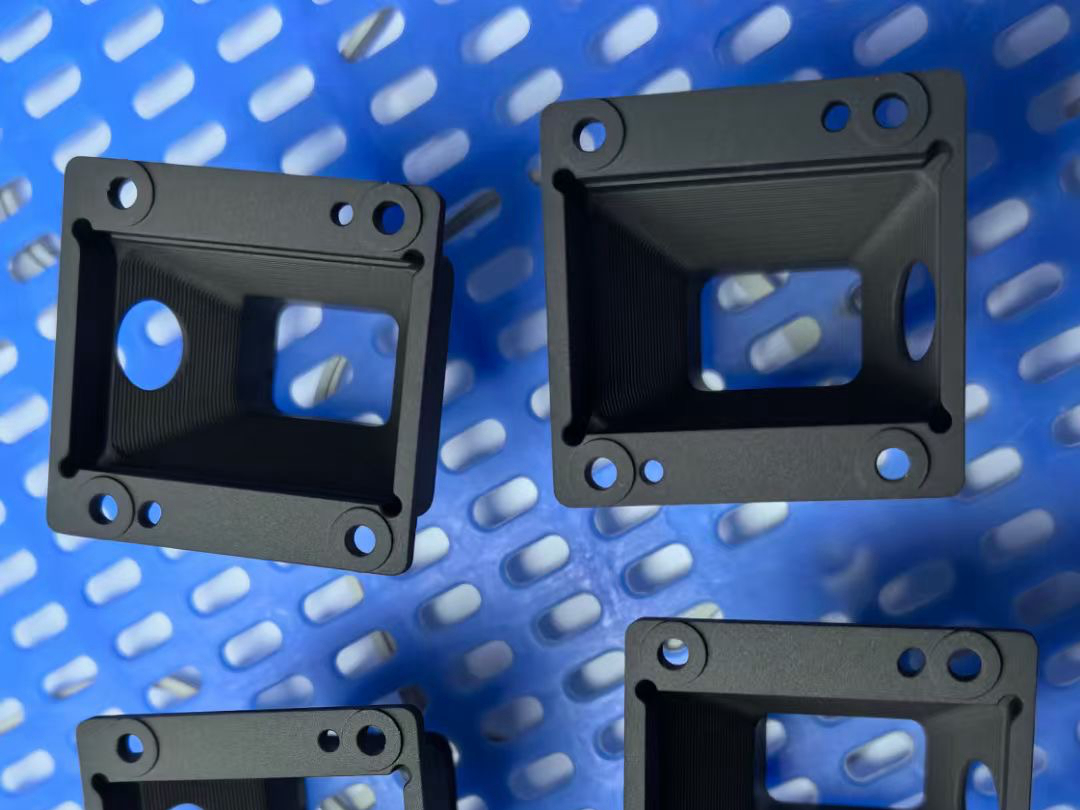
El Anodizado por Arco no es un proceso independiente, sino el paso final crucial en una cadena de fabricación integrada que comienza con la Fundición a Presión de Aluminio y se perfecciona con el Mecanizado CNC. La integración es secuencial e interdependiente, diseñada para construir un componente de alto rendimiento desde el sustrato.
Etapa 1: Fundición a Presión - La Base
El flujo de trabajo comienza con la fundición a presión de alta presión para crear la forma casi neta de la pieza. Una integración exitosa aquí es primordial:
Selección de Aleación: Elegir una aleación compatible como la A360 es fundamental. Su menor contenido de silicio, en comparación con la A380 estándar, permite la formación de un recubrimiento cerámico más uniforme y continuo durante el anodizado por arco, libre de los puntos débiles causados por partículas de silicio no oxidadas.
Control del Proceso: El proceso de fundición a presión debe optimizarse para producir una superficie de alta integridad con una porosidad mínima. Los defectos subsuperficiales se magnificarán durante el proceso de anodizado de alto voltaje, lo que podría provocar el fallo del recubrimiento.
Etapa 2: Mecanizado CNC - Preparación de Precisión
Después de la fundición, la pieza pasa al Mecanizado Posterior. Este paso se realiza antes del anodizado por varias razones clave:
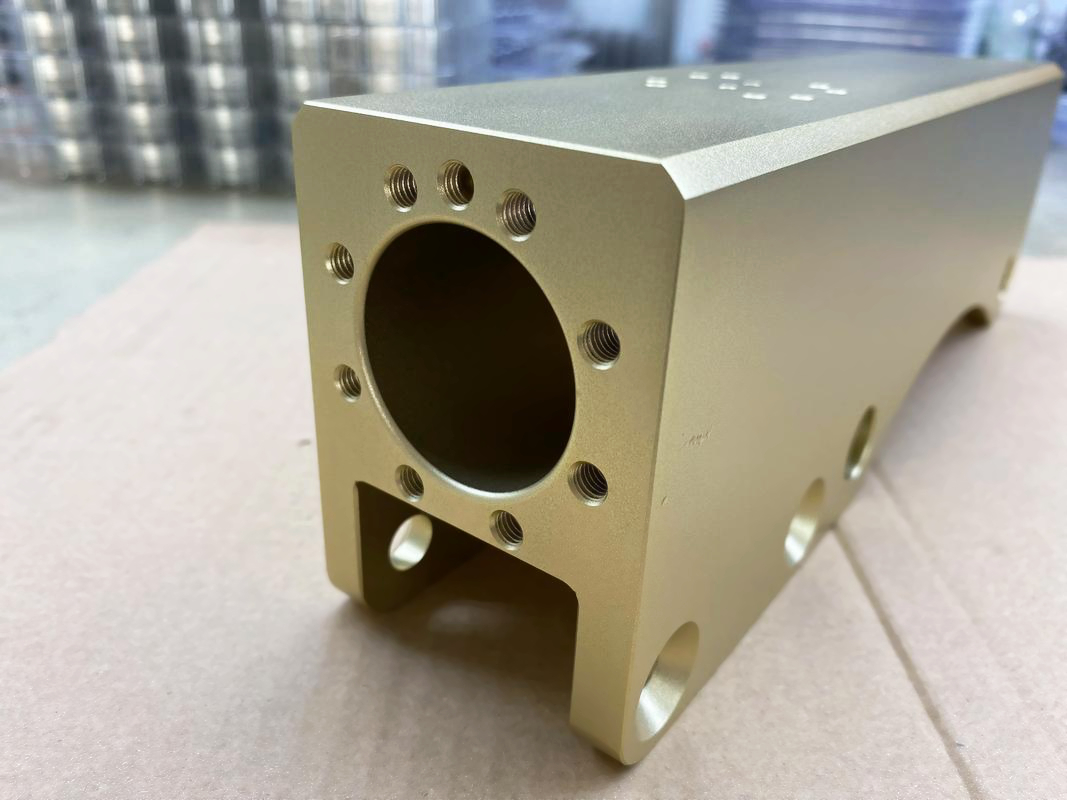
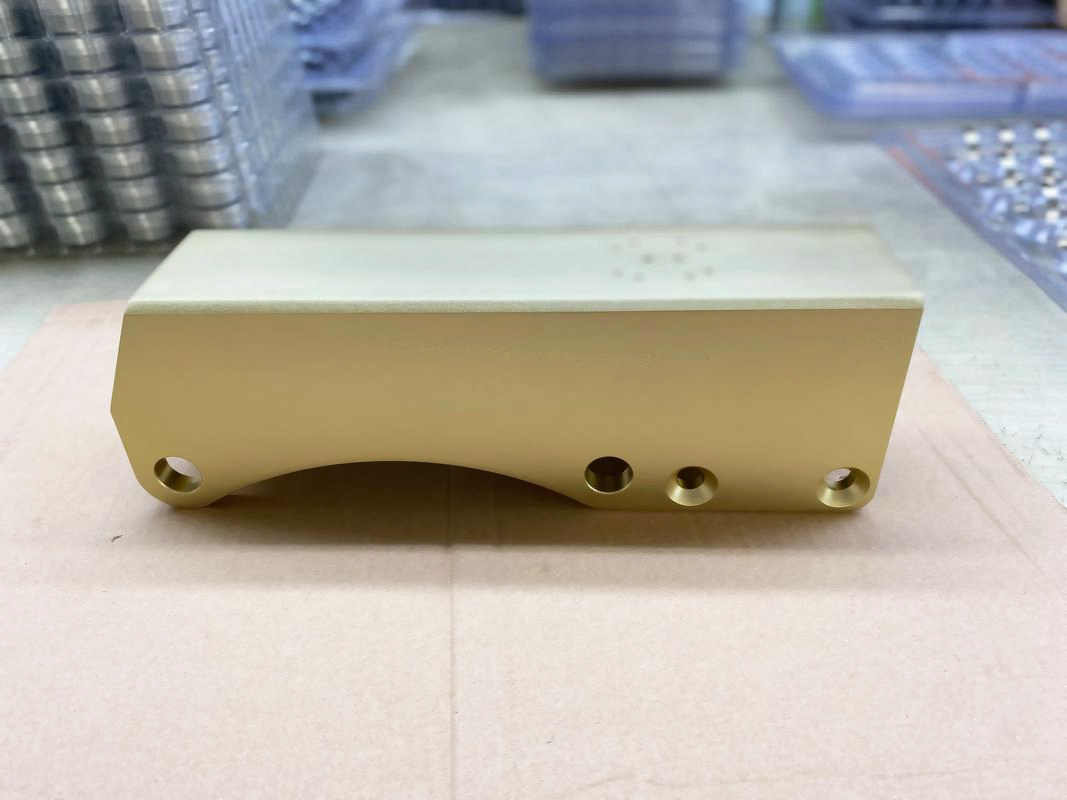
Precisión Dimensional: Características críticas como agujeros roscados, orificios de tolerancia estrecha y superficies de sellado se mecanizan hasta sus dimensiones finales. Intentar mecanizar a través del recubrimiento cerámico duro y quebradizo después del anodizado es poco práctico y destruiría las herramientas de corte.
Desbarbado y Acabado Superficial: Se eliminan los bordes afilados y las líneas de partición de la fundición. Esto es vital porque el proceso de anodizado por arco tiene una limitación de "poder de penetración"; se acumula más en los bordes y puede no recubrir adecuadamente valles profundos y estrechos. Un correcto rompido de bordes garantiza un espesor de recubrimiento más uniforme.
Exposición del Material Base: El mecanizado revela el sustrato de aluminio prístino y no oxidado en áreas específicas. Esto es esencial para lograr conductividad eléctrica para puesta a tierra o para crear superficies de sellado precisas donde la capa anodizada no sería deseable.
Etapa 3: Anodizado por Arco - La Capa Funcional Final
Con la pieza mecanizada a su geometría final, se somete al proceso de anodizado por arco. El recubrimiento crece hacia adentro y hacia afuera desde la superficie existente, añadiendo las propiedades funcionales finales:
Resistencia al Desgaste Mejorada: La superficie cerámica extremadamente dura protege la pieza de la abrasión, lo cual es especialmente importante para componentes en movimiento.
Protección Superior contra la Corrosión: La capa de óxido gruesa, densa y completamente sellada proporciona una barrera robusta contra entornos hostiles, validada por extensas pruebas de Proceso Posterior como la niebla salina.
La clave de la integración es que el proceso de anodizado recubre uniformemente toda la pieza, incluidas las características recién mecanizadas, asegurando una cobertura y protección completas.
El Valor de la Integración en el Diseño y la Producción
Este flujo de trabajo sin fisuras es un componente central de nuestro Servicio Integral. Permite una Producción en Masa eficiente de componentes duraderos al garantizar que la intención de diseño, la selección de materiales y los procesos de fabricación estén alineados desde la fase inicial del servicio de diseño de fundiciones a presión. Este enfoque integrado elimina problemas de compatibilidad y entrega una pieza final en la que la integridad estructural de la fundición a presión, la precisión del mecanizado CNC y las propiedades superficiales superiores del anodizado por arco trabajan en conjunto.