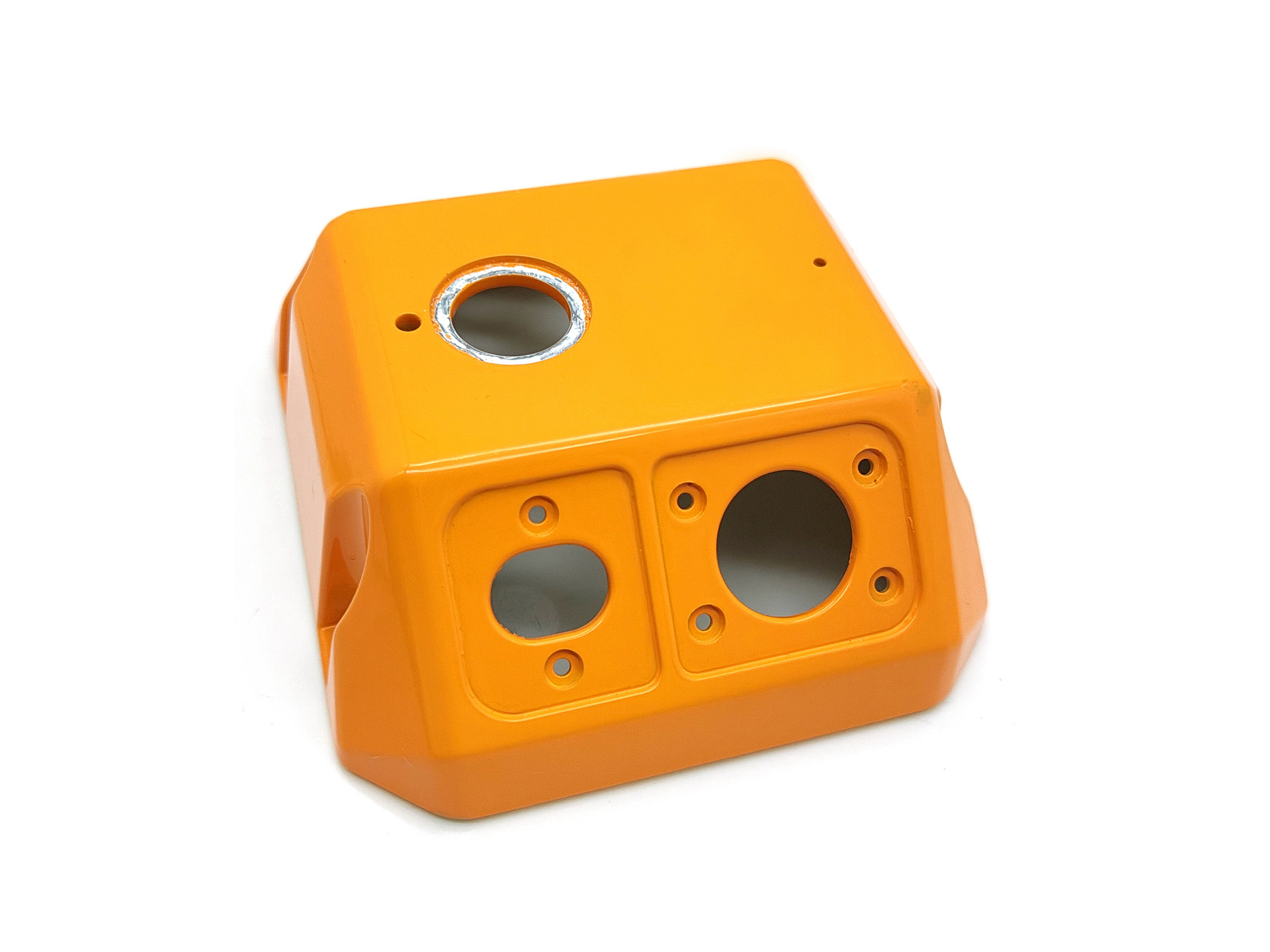
Estimación de precios del anodizado por arco: costos y mercado
Introducción a los costos del anodizado por arco
Como ingeniero en Neway, con frecuencia apoyo a clientes que evalúan las diferencias de precio entre diversas opciones de tratamiento superficial. El anodizado por arco—también conocido como oxidación por microarco (MAO) u oxidación electrolítica por plasma (PEO)—se sitúa en el extremo superior del espectro de costos del anodizado. La razón es simple: el anodizado por arco transforma la superficie metálica en una capa cerámica densa mediante descargas de plasma, lo que exige más energía, una química más controlada y equipos especializados.
En el mercado industrial actual, el precio no solo está influenciado por los parámetros del proceso, sino también por métodos de fabricación previos como la fundición a presión de aluminio, la selección de aleaciones y los tratamientos posteriores. Este blog desglosa los principales impulsores de costo, perspectivas del mercado y estrategias prácticas que las empresas pueden utilizar para optimizar el costo total de propiedad.
Principales impulsores de costo en el anodizado por arco
Tamaño de la pieza, geometría y área superficial
El determinante de precio más directo es el área a recubrir. Las piezas más grandes y las geometrías complejas requieren más tiempo de oxidación y más energía para lograr una descarga de plasma estable. Características como cavidades profundas y canales de enfriamiento crean una distribución desigual del arco, lo que exige ajustes manuales o ciclos de proceso más largos.
Tipo de aleación y respuesta metalúrgica
Diferentes aleaciones muestran comportamientos distintos bajo anodizado por arco. Las aleaciones de fundición con alto contenido de silicio, como aluminio A380 o aleación ADC12, requieren voltajes más altos y producen una actividad de descarga más intensa, aumentando el consumo energético. Las aleaciones forjadas suelen tener costos más bajos debido a un comportamiento del arco más estable. En cambio, los componentes de magnesio y zinc de pared delgada introducen riesgos de concentración térmica y requieren un ajuste adicional de parámetros.
Espesor del recubrimiento, clase de dureza y porosidad
Los recubrimientos cerámicos duros—comúnmente utilizados en aeroespacial y electrónica de potencia—tardan más en formarse. Un mayor espesor y niveles de porosidad más estrictos incrementan el uso de electricidad y pueden requerir múltiples pasadas de proceso. Los recubrimientos MAO decorativos cuestan menos porque son más delgados y requieren tiempos de exposición más cortos.
Modo de alimentación y carga energética
El MAO en corriente continua (CC) es el más intensivo en energía. Los modos de pulso e híbridos optimizan los ciclos de descarga, pero aún requieren una entrada eléctrica sustancial, especialmente en aleaciones como AlSi10Mg. La elección de la fuente de alimentación influye tanto en la calidad del recubrimiento como en el precio.
Composición del electrolito y mantenimiento del baño
Los electrolitos que contienen silicatos, aluminatos o aditivos especializados aumentan el costo de consumibles. Los sistemas de enfriamiento del baño también elevan los gastos operativos, especialmente en producción a gran escala.
Impactos de precio específicos del material
Aleaciones de alto silicio vs aleaciones forjadas
Las aleaciones de fundición con alto contenido de silicio requieren una estabilización más prolongada durante el proceso de arco. Por ejemplo, las aleaciones de aluminio con más de 8–10% de silicio aumentan la complejidad del recubrimiento y la demanda energética. Esto incrementa directamente el precio unitario.
Piezas fundidas a presión de pared delgada
Las secciones delgadas son susceptibles al sobrecalentamiento, lo que obliga al operador a reducir las rampas de voltaje y extender el tiempo de oxidación. Las piezas producidas mediante fundición a presión de zinc o fundición a presión de cobre también pueden requerir ciclos de enfriamiento personalizados o utillajes de sujeción (fixturing).
Variabilidad del desempeño de la aleación
Las aleaciones de zinc y cobre muestran comportamientos distintos durante la oxidación por plasma. Por ejemplo, las aleaciones de zinc generalmente requieren ciclos más cortos, pero corren el riesgo de derretimiento superficial si los parámetros no se controlan bien. Las aleaciones de cobre exigen electrolitos ajustados para estabilizar la formación de plasma. Estas diferencias influyen en el precio.
Flujo de proceso y desglose de costos operativos
Pretratamiento y activación superficial
Una preparación adecuada de la superficie garantiza una formación estable del arco. Los pretratamientos incluyen granallado, desengrase, limpieza y activación. Los componentes fabricados mediante mecanizado CNC suelen requerir menos corrección superficial en comparación con fundiciones de textura muy marcada.
Etapa de descarga: tiempo, energía y equipo
El costo principal se origina en la etapa de oxidación. La descarga de plasma consume una potencia considerable, especialmente al crear recubrimientos gruesos o al trabajar con componentes grandes. El enfriamiento del electrolito y el control de temperatura también contribuyen a los gastos operativos totales.
Postratamiento: sellado, coloración y acabado
Los postratamientos mejoran la durabilidad y la apariencia. Algunos componentes reciben recubrimientos adicionales, como anodizado para piezas fundidas a presión o procesos de sellado para aislamiento eléctrico. Cada etapa adicional influye en el precio final.
Integración con fundición a presión y prototipado
Combinar métodos de fabricación previos, como el prototipado rápido, con MAO puede reducir costos en etapas tempranas, especialmente al validar características de diseño que influyen en el comportamiento del recubrimiento. Para producción, elegir un proveedor que ofrezca una cadena completa—como nuestro servicio integral de fundición a presión—reduce la logística, los fallos de recubrimiento y las tasas de rechazo.
Perspectivas del mercado y diferencias de precios por región
Variabilidad de costos por región
El precio del MAO varía entre mercados como China, la UE y Norteamérica. El costo de la electricidad es un impulsor principal. Las regiones con precios energéticos más altos muestran precios de MAO proporcionalmente mayores. Las tarifas laborales también influyen en el costo operativo.
Precios específicos por industria
Los requisitos de industrias como los componentes aeroespaciales implican estándares de control de calidad mejorados, validación de micro-porosidad y pruebas dieléctricas adicionales, todo lo cual incrementa el costo. En contraste, las carcasas de electrónica de consumo—como las hechas para los componentes personalizados de Huawei—a menudo priorizan la consistencia cosmética y recubrimientos delgados, lo que resulta en precios por unidad más bajos.
Tendencias económicas y de materiales
Los precios de los metales, las fluctuaciones en el suministro químico y la demanda global de componentes recubiertos influyen en el precio del mercado. Cuando aumentan los precios de la energía, el precio del MAO se incrementa proporcionalmente.
Oportunidades de reducción de costos
Elegir la aleación adecuada
Seleccionar aleaciones con un comportamiento de oxidación estable reduce significativamente los costos del recubrimiento. Las formulaciones de aluminio forjado generalmente producen recubrimientos más lisos con menor entrada de energía. Las piezas fundidas producidas mediante un manejo optimizado del metal fundido, como las soluciones de fundición automotriz, también reducen los costos de preparación superficial.
Procesamiento por lotes y eficiencia por volumen
Procesar múltiples piezas simultáneamente reduce el costo por unidad de consumo de energía y electrolito. Los programas de MAO de alto volumen logran la mejor relación costo-rendimiento.
Diseño para anodizado por arco (DFAA)
La optimización del diseño ayuda a mejorar la uniformidad del recubrimiento. Reducir aristas vivas, eliminar cavidades profundas innecesarias o equilibrar el espesor de pared puede reducir significativamente el tiempo de oxidación y el costo.
Seleccionar el proveedor adecuado
Evaluación del proveedor
Para programas críticos en costo, es importante evaluar la escala del equipo del proveedor, la gestión del electrolito, las capacidades de control de calidad y la integración con procesos previos como la fundición a presión y el mecanizado.
Ventajas de la fabricación integrada
Cuando el MAO se combina con fundición, mecanizado y ensamblaje bajo un solo proveedor, la eficiencia mejora drásticamente. Los componentes producidos mediante fundición a presión de cobre o fundición de zinc pueden pasar directamente a MAO con un tiempo de inactividad logístico mínimo.
TCO (Costo total de propiedad)
Aunque el anodizado por arco pueda parecer caro por unidad, su durabilidad reduce fallos y mantenimiento. Considerar todo el ciclo de vida a menudo hace que el MAO sea la opción más económica para aplicaciones exigentes.
Resumen
El precio del anodizado por arco depende de numerosas variables de ingeniería y operación: composición de la aleación, espesor del recubrimiento, geometría de la superficie, consumo energético y niveles de rendimiento requeridos. Las diferencias de mercado y los estándares industriales también influyen en el costo. Con consideraciones de diseño adecuadas y el apoyo de un socio de fabricación de proceso completo, los compradores pueden lograr precios predecibles y una calidad de recubrimiento estable desde el prototipo hasta la producción en masa.
Preguntas frecuentes
¿Qué factores influyen más en el costo del anodizado por arco?
¿Cómo afecta el espesor del recubrimiento al precio del anodizado por arco?
¿Hay ventajas de costo al combinar fundición a presión y anodizado por arco con un solo proveedor?
¿Qué tendencias del mercado impactan el precio del anodizado por arco a nivel global?