Comment la masse thermique des pièces affecte-t-elle le choix de la polymérisation de la poudre et d...
La masse thermique de la pièce affecte la rapidité avec laquelle une pièce moulée atteint la condition de polymérisation requise par le système de revêtement et la durée pendant laquelle la ligne doit chauffer et refroidir la charge. La polymérisation de la poudre est généralement spécifiée par le temps à la température du métal de la pièce, tandis que la peinture liquide peut sécher à l'air, s'évaporer et subir une polymérisation forcée selon sa chimie. Les bossages épais et les brides épaisses peuvent être en retard par rapport à l'air du four dans les deux méthodes de chauffage.
La finition choisie doit également respecter les inserts, les joints, les adhésifs, les aimants, les composants électroniques et les traitements antérieurs. Un système liquide à basse température ou à séchage à l'air peut être attrayant pour un assemblage sensible à la chaleur, mais il doit néanmoins faire l'objet d'une validation de la libération des solvants, de la polymérisation et des performances finales.
Pourquoi la température de l'air du four n'est pas la température de la pièce
Les commandes du four décrivent l'air ou un point de référence, et non la section métallique la plus lente. Les parois minces peuvent dépasser la cible plus tôt tandis que les intersections lourdes restent en dessous. Une étude par thermocouples ou une autre méthode approuvée doit enregistrer la température représentative du métal de la pièce dans des conditions de densité et d'orientation de production.
Variable thermique | Risque | Preuve de qualification |
|---|---|---|
Bossage épais | Réponse de polymérisation lente | Sonde dans une section à chauffage lent représentative |
Paroi mince | Exposition excessive pendant que les zones épaisses rattrapent leur retard | Comparaison des profils des zones rapides et lentes |
Charge dense | Flux d'air et temps de chauffe différents | Étude de charge conforme à la production |
Insert ou joint | Dommage thermique ou changement de propriété | Limites du fournisseur du composant et contrôle après polymérisation |
Re-revêtement répété | Accumulation de chaleur et changement d'aspect | Examen de l'historique thermique total |
Comment la polymérisation de la poudre doit être qualifiée
Utilisez les données techniques actuelles de la poudre, le substrat approuvé et la géométrie représentative. Consignez quand la section métallique critique entre et sort de la fenêtre requise. Vérifiez l'apparence, l'adhérence et d'autres propriétés spécifiées après polymérisation. Un couple plat peut soutenir les contrôles de matériau mais chauffe trop différemment pour établir le temps de maintien de la pièce moulée.
Un temps de four plus long n'est pas automatiquement plus sûr. Une exposition excessive peut modifier la couleur ou la brillance et peut affecter les composants du produit. La route de revêtement en poudre doit utiliser une fenêtre éprouvée plutôt qu'une règle informelle de « temps supplémentaire pour les pièces moulées ».
Comment la peinture liquide élargit les options thermiques
Les systèmes liquides peuvent inclure des chimies à durcissement ambiant, à basse température et à cuisson conventionnelle. Chacune présente des compromis en termes de temps de manipulation, de libération de solvant ou d'eau, de développement de dureté, de résistance chimique et de débit. Une géométrie épaisse ou fermée peut retenir le solvant et nécessite un temps d'évaporation et une circulation d'air adéquats avant la polymérisation forcée.
Une finition séchée à l'air peut protéger un assemblage sensible à la chaleur mais prolonge le temps de fabrication et nécessite une température et une humidité contrôlées. Un système à basse température doit néanmoins atteindre la condition définie du métal et du revêtement réels. Les acheteurs doivent comparer le temps de production total, et non seulement la température maximale.
Comment un profil thermique doit être revalidé après un changement
Revalidez lorsque la masse de la pièce, la section de la paroi, la quantité de charge, le matériau de la charge, le chargement du four, la vitesse du convoyeur, la chimie du revêtement ou le composant installé change. Un profil approuvé pour une petite pièce moulée ne couvre pas automatiquement une révision plus importante, et un essai avec un four vide ne représente pas une charge de production dense.
Placez les capteurs de manière à capturer la zone lourde la plus lente et une zone mince à chauffage rapide sans endommager la surface d'apparence. Consignez la méthode de fixation car un mauvais contact peut créer des lectures erronées. Comparez le résultat avec les données actuelles du revêtement et les limites de température des composants.
Après un changement de polymérisation, répétez les contrôles pertinents d'apparence, d'adhérence et fonctionnels. Un chauffage plus rapide ou une durée de maintien plus longue peut affecter la brillance, la libération du solvant et les matériaux de masquage même si la température nominale finale semble inchangée. Le plan de contrôle doit indiquer quel mouvement de paramètre déclenche une nouvelle étude.
Le refroidissement doit également être contrôlé avant l'empilage, le mesurage ou l'emballage des pièces. Une pièce moulée lourde peut rester chaude après que la surface semble prête, permettant des marques de support, des empreintes d'emballage ou des dommages de manipulation. Définissez une condition de manipulation sûre et assurez-vous que le refroidissement accéléré n'introduit pas de condensation ou de choc thermique.
Comment décider avant l'installation des éléments sensibles à la chaleur
La meilleure route peut changer la séquence d'assemblage. Revêtez d'abord la pièce moulée nue, puis installez les joints ou l'électronique ; utilisez des inserts amovibles pendant la finition ; ou sélectionnez une peinture à basse température après l'assemblage. Chaque choix affecte les zones de masquage, les dommages de manipulation et l'inspection.
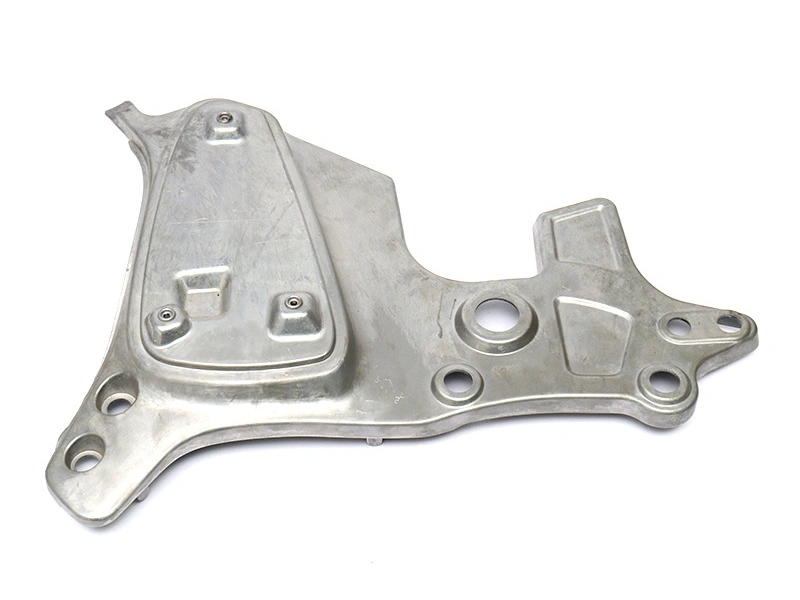
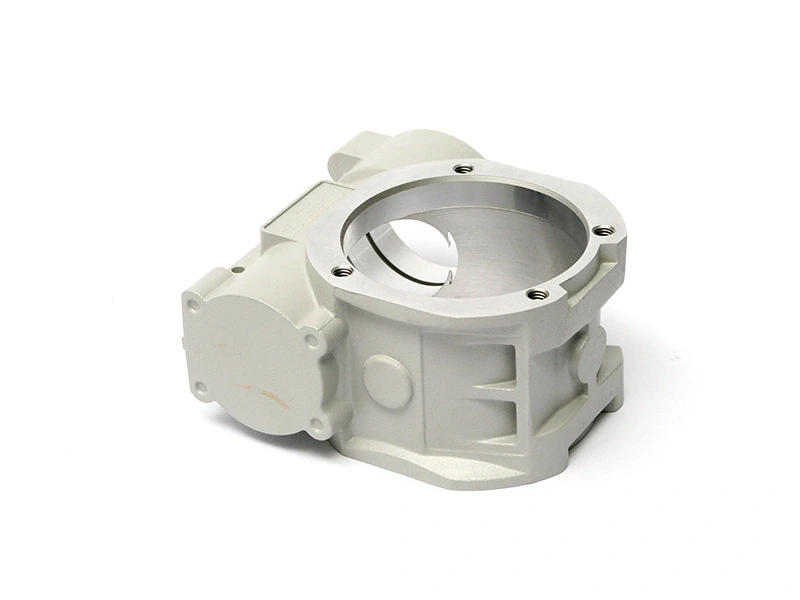
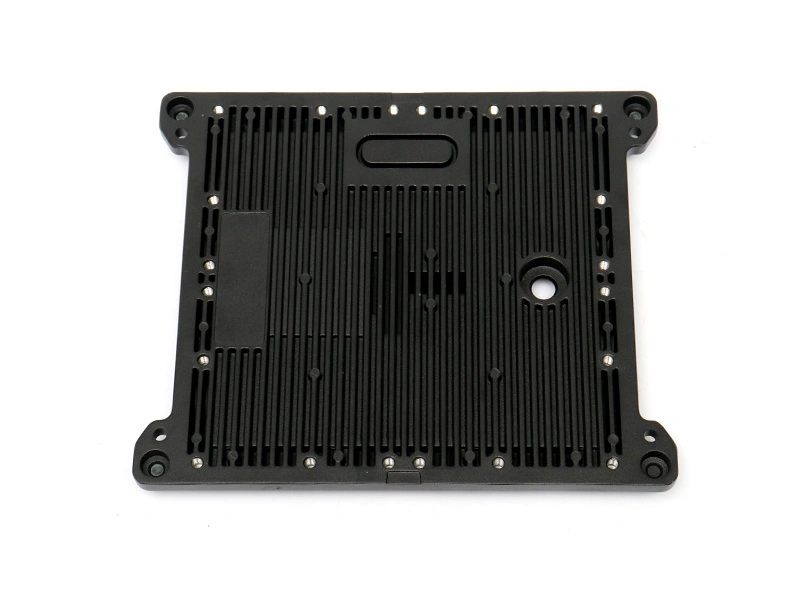
Pour un couvercle de moteur hypothétique avec une étiquette collée par adhésif et un joint installé, la polymérisation de la poudre peut ne pas convenir après l'assemblage même si la pièce moulée nue la supporte. L'acheteur peut déplacer la finition plus tôt ou qualifier un système liquide. Cet exemple ne prétend pas que la pièce moulée illustrée possède ces composants.
La route de service de peinture doit indiquer les temps d'évaporation, de polymérisation et de manipulation sûre, tandis que la poudre doit indiquer les preuves de température du métal. Les deux nécessitent des contrôles finaux sur l'ajustement, la couleur et le fonctionnement des composants installés.
Entrée de l'acheteur | Utilisation de la décision |
|---|---|
Cartographie de l'épaisseur des sections | Localise les zones thermiques rapides et lentes |
Limites de température des composants | Élimine les routes de polymérisation incompatibles |
Données de revêtement | Définit les exigences réelles de polymérisation ou de séchage |
Densité de charge | Définit le profil de production prévu |
Séquence d'assemblage | Montre si la finition peut avoir lieu avant les éléments sensibles |
Objectif de débit | Compare le temps de chauffe, d'évaporation, de polymérisation et de refroidissement |
La masse thermique ne favorise pas automatiquement la poudre ou la peinture. Elle définit les preuves nécessaires pour prouver la polymérisation, le risque pour les composants installés et le temps de ligne pratique. La route préférée est celle qui atteint la condition de revêtement spécifiée sans dépasser les limites du produit.