
Ключевые преимущества анодирования: долговечность, защита и эстетика
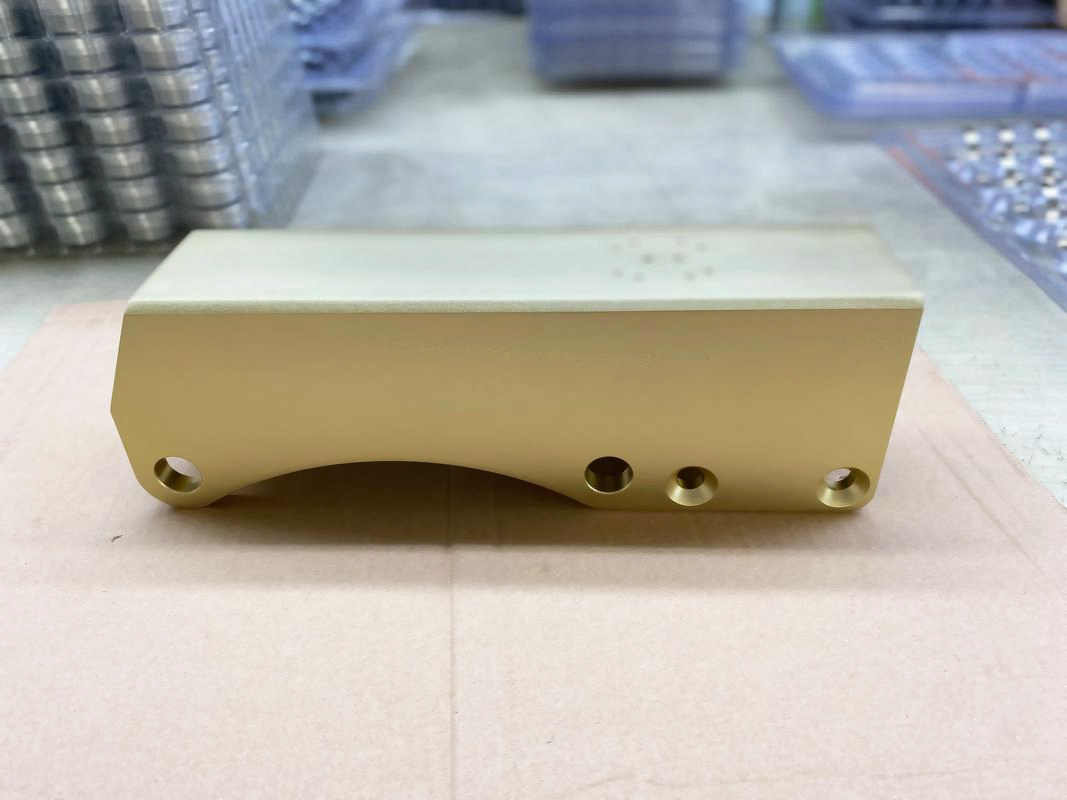
Введение: инженерное искусство за пределами поверхности
От изящных корпусов смартфонов до элегантных профилей архитектурных фасадов, от критически важных авиационно-космических компонентов до премиального автомобильного декора — анодирование занимает важнейшее место в современном производстве благодаря своей уникальной ценности. Как инженер по финишной обработке поверхностей в Newway, я хорошо понимаю: анодирование — это не просто поверхностная обработка, а точная инженерная дисциплина, объединяющая материаловедение и прикладную эстетику. Благодаря строго контролируемому электрохимическому процессу на поверхности алюминия формируется прочный керамический слой оксида алюминия, который придаёт изделиям выдающиеся эксплуатационные свойства и долговечную визуальную привлекательность. Сегодня рассмотрим ключевую ценность анодирования по трём направлениям: долговечность, коррозионная стойкость и эстетика.
Исключительная долговечность: основа длительного срока службы продукта
Революционное повышение твёрдости поверхности
Одним из наиболее впечатляющих преимуществ анодирования является значительное увеличение поверхностной твёрдости алюминия. Профессионально обработанные поверхности могут достигать HV 500–600 — значительно выше, чем у необработанного алюминия (около HV 100) и даже сопоставимо с некоторыми закалёнными сталями. Для сравнения, традиционные покрытия окраской обеспечивают определённую защиту, но их адгезия к основанию уступает металлургической связи, формируемой при анодировании. Это фундаментальное отличие обеспечивает анодным плёнкам непревзойдённую долговечность и делает их идеальными для применений с частым контактом и абразивным износом.
Выдающаяся износо- и царапостойкость
В промышленных условиях, где неизбежно частое трение, твёрдое анодирование даёт исключительную выгоду. Рассмотрим гидроцилиндры и элементы трансмиссии: эти детали испытывают постоянное механическое трение в процессе работы. Обычные покрытия быстро покрываются следами износа, тогда как твёрдоанодированные поверхности сохраняются значительно дольше. Такая повышенная износостойкость напрямую снижает затраты на обслуживание и увеличивает срок службы изделий, формируя существенные долгосрочные экономические преимущества для заказчиков.
Стойкость к повседневному износу и воздействию химии
Анодированные поверхности демонстрируют отличную устойчивость к бытовым химическим веществам. Чистящие средства, отпечатки пальцев и пот не вызывают необратимых повреждений. Это делает анодирование идеальным выбором для потребительской электроники, например корпусов ноутбуков и рам смартфонов, которым необходимо выдерживать мелкие царапины при ежедневной эксплуатации и сопротивляться коррозии от биологических жидкостей, включая пот. В кухонном и санитарном оборудовании анодированные покрытия также превосходны, устойчивы как к чистящей химии, так и к влажной среде.
Мощная коррозионная стойкость: надёжный защитный барьер
Барьерный эффект плотного слоя оксида алюминия
Коррозионная стойкость анодных плёнок обусловлена их уникальной физической структурой. Плотный керамический слой оксида алюминия формирует прочный физический барьер на алюминиевом основании, эффективно изолируя влагу, кислород и другие коррозионные среды от базового металла. В отличие от обычных покрытий, оксидный слой образует прочную металлургическую связь с подложкой, поэтому не отслаивается и не шелушится, обеспечивая длительную и надёжную защиту.
Солевой туман и отраслевые стандарты
В условиях стандартизированных испытаний анодированный алюминий демонстрирует отличную коррозионную стойкость. Согласно тестам солевого тумана ASTM B117, анодные плёнки соответствующей толщины могут обеспечивать защиту от 500 до более чем 1000 часов. Достижение таких показателей требует равномерного качества поверхности основания, что часто зависит от стабильной целостности поверхности, обеспечиваемой пост-обработкой/доп. мехобработкой литых под давлением деталей. Мы рекомендуем выбирать толщину плёнки в зависимости от условий эксплуатации, чтобы сбалансировать требования к характеристикам и стоимость.
Подходит для жёстких условий эксплуатации
Благодаря своей коррозионной стойкости анодирование особенно эффективно в суровых условиях. В морской среде оборудование длительное время подвергается воздействию влажного воздуха, насыщенного солью: обычные металлы быстро корродируют, тогда как правильно анодированные алюминиевые детали сохраняют хорошее состояние значительно дольше. В автомобильной отрасли кейс BYD демонстрирует успешное применение анодирования на элементах шасси, которым необходимо противостоять дождевой воде, противогололёдным солям и разнообразным дорожным условиям.
Безграничные эстетические возможности: «душа» продукта
Богатые и долговечные варианты цветов
Анодирование предлагает дизайнерам практически неограниченные возможности по цвету. Путём введения красителей в пористый оксидный слой с последующей герметизацией цвета фиксируются на постоянной основе. Этот механизм окрашивания принципиально отличается от порошкового покрытия, которое просто наносит окрашенный слой на поверхность и может со временем отслаиваться или выцветать. При анодировании цвет становится частью самого оксидного слоя, обеспечивая длительную яркость и равномерность.
Металлическая фактура и премиальный внешний вид
Анодирование сохраняет и усиливает естественную металлическую фактуру алюминия — то, чего трудно добиться другими методами. В отличие от гальванопокрытий по пластику или обычной краски, анодирование не «забивает» естественную структуру и блеск металла; прозрачный оксидный слой, наоборот, подчёркивает их. Поэтому анодирование — один из лучших выборов для премиальных брендов. Будь то аксессуары класса люкс или высококлассная электроника, анодирование повышает общий уровень качества и воспринимаемую ценность продукта.
Отличная равномерность цвета
Стабильность цвета критически важна для массового производства. Благодаря строгому контролю процесса и передовой инженерии литых под давлением деталей мы обеспечиваем стабильное качество основания и высокую равномерность окрашивания. Это особенно важно для массового производства, где детали из разных партий должны иметь идентичный цвет для единого финального внешнего вида.
Ценность за пределами «большой тройки»
Отличная термостабильность и электрическая изоляция
Анодные слои обладают превосходной термостабильностью и электрической изоляцией. Температура плавления оксида алюминия превышает 2000°C, что позволяет выдерживать очень высокие рабочие температуры. Одновременно керамическая плёнка является отличным электроизолятором — особенно ценным для электронных радиаторов и электротехнических компонентов — обеспечивая эффективный теплоотвод при сохранении электрической безопасности.
Высокая адгезия последующих покрытий
Пористая анодированная поверхность создаёт идеальную основу для последующих финишных покрытий. Будь то дополнительные слои гальванопокрытий или специальные покрытия, анодированные поверхности обеспечивают отличную адгезию. Это особенно важно для изделий, требующих многослойной защиты, например промышленного оборудования или автомобильных деталей, эксплуатируемых в экстремальных условиях.
Экологичность и безопасность
Анодирование — экологически дружественная технология финишной обработки. Оксидная плёнка нетоксична и не имеет запаха, не содержит летучих органических соединений (VOC), а используемые в процессе химикаты могут эффективно контролироваться и очищаться. Более того, сам алюминий на 100% пригоден для переработки, что соответствует целям устойчивого развития современного производства.
Ключи к оптимальной эффективности: синергия процесса и дизайна
Выбор правильного сплава
Для наилучших эстетических результатов мы обычно рекомендуем деформируемые алюминиевые сплавы с низким содержанием кремния. Для алюминиевого литья под давлением, где содержание кремния выше, могут потребоваться предварительные обработки, такие как пескоструйная обработка, чтобы оптимизировать качество поверхности. Правильный выбор материала — первый и самый важный шаг для достижения желаемого конечного результата.
Оптимизация конструкции для максимального раскрытия преимуществ
Благодаря профессиональным услугам по проектированию литых под давлением деталей мы можем учитывать специфические требования анодирования уже на самых ранних этапах разработки продукта. Избегание острых кромок и глубоких отверстий, а также обеспечение равномерного распределения тока — ключевые факторы для формирования высококачественного оксидного слоя. Хорошая конструкция не только улучшает внешний вид, но и полностью раскрывает эксплуатационные преимущества анодирования.
Профессиональная постобработка и контроль качества
Профессиональная постобработка и строгий контроль качества необходимы для обеспечения оптимальных характеристик анодирования. Правильная герметизация существенно повышает коррозионную стойкость, а тщательная инспекция гарантирует соответствие каждой партии заданным стандартам. В Newway мы выстроили комплексную систему обеспечения качества, позволяющую жёстко контролировать каждый этап — от сырья до готовой продукции.
Заключение: инвестируйте в анодирование — инвестируйте в долгосрочную ценность продукта
Повышая долговечность, надёжность и эстетику, анодирование даёт производителям решающее конкурентное преимущество. Будь то продление срока службы, снижение затрат на обслуживание или усиление бренда — эта технология приносит измеримую пользу. Сотрудничество с командой, обладающей глубокими знаниями процесса и возможностями сервиса полного цикла, — лучший путь к реализации этой ценности. В Newway мы стремимся помогать клиентам создавать более конкурентоспособные продукты благодаря профессиональным техническим услугам и комплексным решениям.
FAQ
