
Абразивная обработка металлическими частицами для литых под давлением компонентов
Введение
В области финишной обработки высокопроизводительных литых под давлением компонентов абразивная обработка металлическими частицами представляет собой мощный метод обработки поверхности, обеспечивающий исключительные возможности очистки, текстурирования и модификации поверхности. Эта надежная технология отделки использует точно спроектированные металлические абразивы для достижения интенсивного преобразования поверхности при сохранении структурной целостности литых компонентов. В Neway абразивная обработка металлическими частицами представляет собой критически важную возможность в рамках нашего комплексного отдела постобработки, предоставляя клиентам высокоэффективные решения для обработки поверхности для требовательных применений в литье алюминия под давлением, литье цинка под давлением и литье меди под давлением.
В отличие от более мягких неметаллических методов, абразивная обработка металлическими частицами использует высокоплотные стальные, нержавеющие или другие сплавные среды для обеспечения мощной модификации поверхности, удаления стойких загрязнений, создания определенных профилей поверхности и индуцирования полезных сжимающих напряжений. Этот интенсивный подход стал необходимым для компонентов, требующих значительного преобразования поверхности, интенсивного удаления окалины или улучшения механических свойств в рамках нашей интегрированной производственной среды с услугой "под ключ".
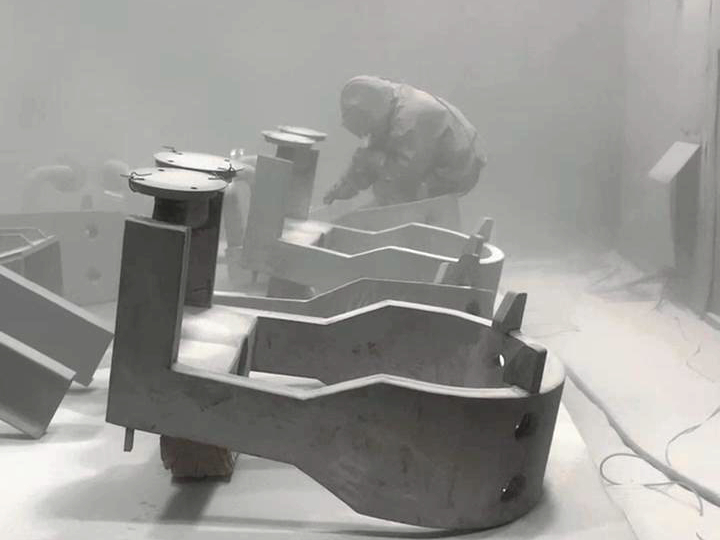
Что такое абразивная обработка металлическими частицами?
Абразивная обработка металлическими частицами — это интенсивный процесс обработки поверхности, который использует точно спроектированные металлические частицы для очистки, удаления окалины, текстурирования и модификации поверхностей литых под давлением компонентов посредством контролируемого высокоэнергетического воздействия. Этот мощный метод отделки использует различные стальные, нержавеющие или другие сплавные абразивы, которые ускоряются в направлении поверхностей компонентов с помощью сжатого воздуха или центробежной силы, создавая значительное преобразование поверхности за счет механического воздействия.
Процесс работает за счет высокоэнергетического удара частиц, когда металлическая среда воздействует на поверхности компонентов с достаточной силой, чтобы удалить тяжелые загрязнения, устранить дефекты поверхности, создать определенные текстуры профилей или индуцировать полезные сжимающие напряжения. Каждый тип металлического абразива обладает различными режущими характеристиками, профилями твердости и ударными свойствами, обеспечивая мощную модификацию поверхности при сохранении структурной целостности основного материала для различных алюминиевых сплавов, цинковых сплавов и медных сплавов.
Ключевые преимущества абразивной обработки металлическими частицами
Внедрение абразивной обработки металлическими частицами дает значительные преимущества для требовательных применений в литье под давлением:
Интенсивное удаление загрязнений: Эффективно устраняет тяжелую окалину, оксиды и стойкие производственные остатки
Значительное профилирование поверхности: Создает выраженные текстуры поверхности, идеальные для адгезии тяжелых покрытий
Индукция сжимающих напряжений: Генерирует полезные поверхностные напряжения, улучшающие усталостную стойкость
Быстрая обработка: Высокоэффективное удаление материала сокращает время цикла для применений в условиях массового производства
Долговечность среды: Металлические абразивы обеспечивают увеличенный срок службы и стабильную производительность
Возможность интенсивного удаления заусенцев: Удаляет значительные заусенцы и облой с высокопрочных сплавов
Поверхностное упрочнение: Эффект наклепа повышает долговечность поверхности и износостойкость
Универсальность процесса: Адаптируется к различным размерам компонентов и геометрическим сложностям
Типы металлических абразивных сред
Neway использует широкий спектр составов металлических абразивов, каждый из которых разработан для конкретных интенсивных применений:
Стальная дробь: Сферические частицы для дробеструйной обработки, очистки и поверхностного сжатия без значительного резания
Стальная крошка: Угловые частицы для интенсивного резания, удаления окалины и значительного профилирования поверхности
Нержавеющая сталь: Коррозионностойкие абразивы для применений, чувствительных к загрязнению
Резная проволочная дробь: Точные отрезки проволоки, обеспечивающие стабильный размер и характеристики производительности
Закаленная железная крошка: Твердые, хрупкие абразивы для максимальной эффективности резания на жестких поверхностях
Литая стальная дробь: Долговечная сферическая среда для интенсивной очистки и подготовки поверхности
Обработанная резная проволока: Частицы проволоки со скругленными краями для сбалансированного резания и дробеструйного воздействия
Специальные сплавные среды: Пользовательские составы для специфической совместимости материалов и требований применения
Применения в финишной обработке литых под давлением компонентов
Абразивная обработка металлическими частицами выполняет критически важные функции в требовательных промышленных применениях:
Компоненты тяжелого оборудования: Интенсивное удаление окалины и подготовка поверхности для деталей промышленного оборудования
Автомобильные конструкционные детали: Подготовка поверхности для компонентов в автомобильных применениях BYD
Морская оснастка: Удаление сильной коррозии и окалины с компонентов, подверженных воздействию агрессивных сред
Строительное оборудование: Значительное профилирование поверхности для компонентов, требующих максимальной адгезии покрытия
Компоненты нефтегазовой отрасли: Удаление тяжелых загрязнений с деталей, работающих в экстремальных условиях
Сельскохозяйственная техника: Интенсивная очистка и подготовка поверхности для долговечного оборудования
Подготовка к сварке: Создание чистых, профилированных поверхностей для конструкционных сварочных применений
Проекты реставрации: Удаление сильной ржавчины и окалины с винтажных или интенсивно используемых компонентов
Процесс абразивной обработки металлическими частицами в Neway
Операции абразивной обработки металлическими частицами в Neway следуют тщательно контролируемым процедурам для достижения оптимальных результатов:
Протокол выбора среды: Подбор конкретных металлических абразивов к материалу компонента и требованиям к поверхности
Оптимизация параметров: Точный контроль давления, скорости потока, расстояния и продолжительности воздействия
Конфигурация оборудования: Системы интенсивной обработки, разработанные для обработки металлическими абразивами
Дизайн оснастки: Надежные решения для фиксации для безопасного позиционирования во время интенсивной обработки
Мониторинг процесса: Непрерывная оценка состояния среды, эффективности резания и качества поверхности
Системы рекуперации среды: Передовые системы сепарации и рециклинга для экономически эффективной работы
Очистка после обработки: Тщательное удаление остаточных металлических частиц с использованием специализированных методов
Верификация качества: Комплексная инспекция, включая анализ поверхности и проверку размеров
Характеристики и возможности поверхности
Абразивная обработка металлическими частицами создает отличительные характеристики поверхности, идеальные для требовательных применений:
Контроль профиля поверхности: Достижимые якорные узоры от 25 до 150 микрон с отличной стабильностью
Визуальный вид: Равномерные матовые или текстурированные покрытия на больших площадях поверхности
Индукция сжимающих напряжений: Полезные поверхностные напряжения, улучшающие усталостную долговечность на 20-50%
Поверхностное упрочнение: Поверхности с наклепом с увеличением микротвердости на 15-40%
Адгезия покрытия: Оптимальные профили поверхности для максимальной производительности порошкового покрытия и окраски
Эффективность очистки: Полное удаление тяжелой окалины, ржавчины и стойких загрязнений
Сохранение геометрии: Поддержание критических размеров при достижении преобразования поверхности
Активация поверхности: Химически активные поверхности, идеальные для последующих обработок и покрытий
Сравнение с неметаллическими методами обработки
Абразивная обработка металлическими частицами предлагает явные преимущества для требовательных применений:
Эффективность резания: Значительно более быстрое удаление материала и преобразование поверхности
Долговечность среды: Увеличенный срок службы со стабильными характеристиками производительности
Сжатие поверхности: Способность индуцировать полезные сжимающие напряжения для улучшения усталостной стойкости
Удаление тяжелых загрязнений: Превосходная производительность на тяжелой окалине, ржавчине и стойких отложениях
Экономика процесса: Более низкое потребление среды и более быстрое время цикла для крупномасштабных применений
Контроль профиля поверхности: Более выраженные и стабильные якорные узоры для адгезии покрытия
Требования к оборудованию: Системы высокой мощности, способные обрабатывать агрессивные среды и большие объемы производства
Диапазон применения: Лучшая пригодность для тяжелых промышленных компонентов и конструкционных применений
Протоколы контроля качества и инспекции
Приверженность Neway качеству отражена в наших комплексных протоколах инспекции:
Измерение профиля поверхности: Точная оценка глубины и стабильности якорного узора
Визуальные стандарты: Установленные эталоны для чистоты и внешнего вида поверхности
Тестирование на загрязнение: Проверка полного удаления загрязнений и чистоты поверхности
Валидация размеров: Подтверждение сохранения критических допусков
Тестирование адгезии покрытия: Количественная оценка производительности покрытия на подготовленных поверхностях
Исследования возможностей процесса: Статистическая валидация стабильности и надежности процесса
Контроль качества среды: Регулярный анализ размера, формы и характеристик производительности абразива
Системы документирования: Полная прослеживаемость от партии среды до готового компонента
Отраслевые применения и примеры из практики
Абразивная обработка металлическими частицами продемонстрировала исключительную ценность в тяжелых промышленных применениях:
Производство тяжелого оборудования: Подготовка поверхности для компонентов строительной и горнодобывающей техники
Автомобильные конструкционные компоненты: Интенсивная очистка для деталей в автомобильных применениях BYD
Морская и оффшорная отрасль: Удаление сильной коррозии с компонентов, подверженных воздействию соленой воды
Компоненты энергетического сектора: Подготовка поверхности для оборудования нефтегазовой отрасли и производства электроэнергии
Железнодорожные компоненты: Интенсивное удаление окалины и подготовка поверхности для применений в железнодорожной отрасли
Промышленное оборудование: Значительное профилирование поверхности для компонентов, требующих максимальной долговечности
Сельскохозяйственное оборудование: Интенсивная очистка и подготовка поверхности для долговечной сельскохозяйственной техники
Компоненты инфраструктуры: Подготовка поверхности для конструкционных элементов в строительных применениях
Технические инновации и усовершенствования процесса
Neway продолжает развивать возможности абразивной обработки металлическими частицами за счет постоянных инноваций:
Разработка составов среды: Металлические абразивы следующего поколения с улучшенной производительностью
Автоматизация процесса: Роботизированные системы для сложной геометрии и крупносерийного производства
Технология рекуперации: Передовые системы сепарации и рециклинга среды для экономической эффективности
Экологический контроль: Улавливание пыли и управление выбросами для соответствия нормативным требованиям
Технология обеспечения качества: Передовые датчики для мониторинга и контроля процесса в реальном времени
Расширение применения: Адаптация для новых литейных материалов и специализированных требований
Энергоэффективность: Оптимизированные параметры процесса для снижения энергопотребления
Цифровая интеграция: Подключение к системам инспекции для замкнутого цикла контроля качества
Интеграция с производственными рабочими процессами
Абразивная обработка металлическими частицами функционирует как неотъемлемый компонент в производственной экосистеме Neway:
Сотрудничество на этапе проектирования: Ранняя интеграция требований к поверхности во время консультаций по услугам проектирования
Руководство по выбору материала: Рекомендация литейных материалов, совместимых с абразивной обработкой металлическими частицами
Валидация прототипа: Оптимизация процесса во время создания прототипов для подтверждения производительности
Последовательная обработка: Стратегическое позиционирование в рамках общих рабочих процессов постобработки
Интеграция качества: Бесшовное включение в комплексные протоколы инспекции
Масштабируемая реализация: Последовательное применение в условиях мелкосерийного и крупносерийного производства
Интеграция безопасности: Комплексные протоколы безопасности для работы с агрессивными металлическими средами
Заключение
Абразивная обработка металлическими частицами представляет собой мощную и универсальную технологию обработки поверхности для литых под давлением компонентов, обеспечивающую интенсивное преобразование поверхности с исключительным контролем характеристик поверхности и механических свойств. В Neway наш опыт в области абразивной обработки металлическими частицами — интегрированный в нашу комплексную производственную экосистему с услугой "под ключ" — позволяет клиентам достигать спецификаций поверхности, соответствующих самым требовательным промышленным, конструкционным и тяжелым требованиям.
Поскольку производственные стандарты продолжают развиваться в тяжелой промышленности, абразивная обработка металлическими частицами остается важным процессом для компонентов, требующих значительного преобразования поверхности, интенсивного удаления загрязнений и улучшенных механических характеристик. Используя этот мощный метод обработки поверхности, производители могут достичь исключительной долговечности продукта, улучшенной производительности и повышенной удовлетворенности клиентов, сохраняя при этом экономическую эффективность и производственную эффективность в требовательных применениях.
Часто задаваемые вопросы
Какие типы металлических абразивных сред наиболее подходят для алюминиевых литых под давлением компонентов?
Как абразивная обработка металлическими частицами улучшает усталостную стойкость в конструкционных компонентах?
Какие диапазоны профиля поверхности могут быть достигнуты с различными металлическими абразивными средами?
Как абразивная обработка металлическими частицами сравнивается с неметаллическими методами для удаления тяжелых загрязнений?
Какие отрасли получают наибольшую выгоду от технологии абразивной обработки металлическими частицами?
Как управляется потребление и рециклинг среды в процессах абразивной обработки металлическими частицами?
Какие соображения безопасности применяются к операциям абразивной обработки металлическими частицами?
