Как быстрая 3D-печать интегрируется с ЧПУ или литьем для производства?
Гибридное производство: Синергетический подход к производству
Быстрая 3D-печать интегрируется с обработкой на станках с ЧПУ и литьем не как замена, а как дополнительная сила, создавая высоко гибкий и эффективный гибридный производственный процесс. Эта синергия оптимизирует сильные стороны каждого процесса — скорость и сложность от 3D-печати, точность и прочность от ЧПУ, и масштабируемость объемов от литья — чтобы ускорить разработку и производство продукта.
Интеграция с обработкой на станках с ЧПУ
Комбинация 3D-печати и обработки на станках с ЧПУ является мощной стратегией для производства сложных компонентов с высокими допусками. Распространенное применение — использование 3D-печати для создания детали "близкой к конечной форме", которая затем дорабатывается на станке с ЧПУ. Напечатанная деталь воплощает сложную геометрию, в то время как процесс ЧПУ точно обрабатывает критические интерфейсы, резьбы или уплотнительные поверхности с жесткими допусками, которые трудно достичь только печатью. Это основная часть наших услуг Постобработки. Кроме того, 3D-печать неоценима для создания специальных приспособлений, оснастки и инструментов для операций ЧПУ, значительно сокращая сроки и затраты на настройку производственной линии.
Интеграция с процессами металлического литья
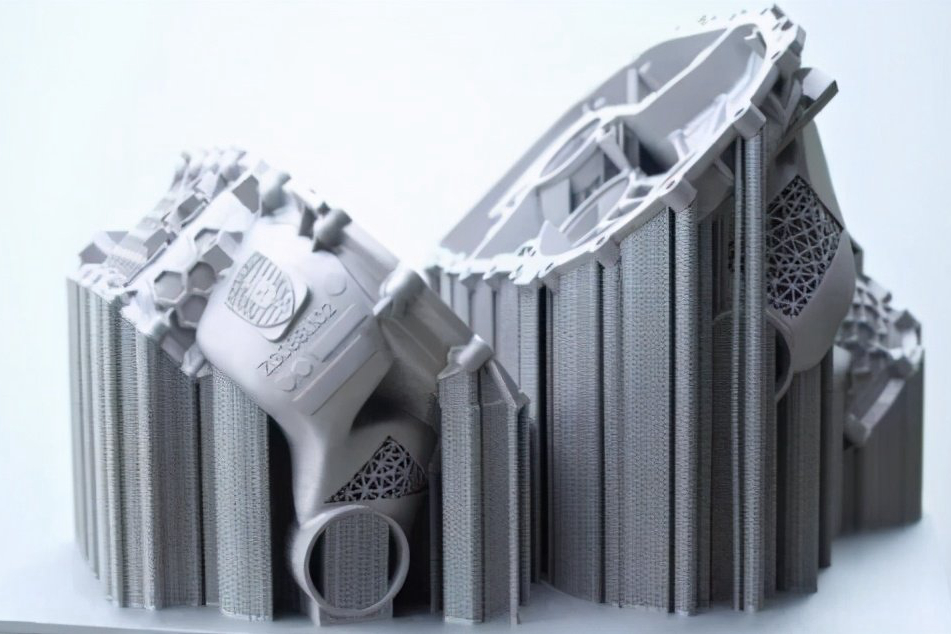
3D-печать произвела революцию в процессе литья, особенно в прототипировании и мелкосерийном производстве. Наиболее значительная интеграция происходит через 3D-печатные модели и формы. Для Песчаного литья принтеры непосредственно изготавливают песчаные формы и стержни, устраняя необходимость в физической модели и позволяя создавать невероятно сложные внутренние каналы. Это позволяет произвести единичную функциональную металлическую отливку за дни вместо недель. Аналогично, для литья по выплавляемым моделям 3D-принтеры могут непосредственно производить расходные восковые или смоляные модели. Этот цифровой процесс обходит традиционное изготовление оснастки, что делает его идеальным для наших услуг прототипирования литых деталей и мелкосерийного производства, позволяя быстро проверять дизайн в реальном производственном металле до перехода к дорогостоящему изготовлению инструмента и пресс-форм.
Связь между прототипированием и массовым производством
Эта интеграция создает бесшовный мост от концепции к массовому производству. Дизайн можно быстро напечатать на 3D-принтере для первоначальной проверки формы и посадки. Затем его можно отлить с помощью 3D-печатных форм для функционального тестирования в конечном материале. После валидации дизайна крупносерийное производство может перейти к традиционному литью под давлением алюминия с использованием закаленных стальных пресс-форм для экономии на масштабе. Этот подход снижает риски во всем цикле разработки продукта и является ключевым компонентом нашего предложения Услуг "под ключ".