Свинцовистая бронза C83600
Введение в материал
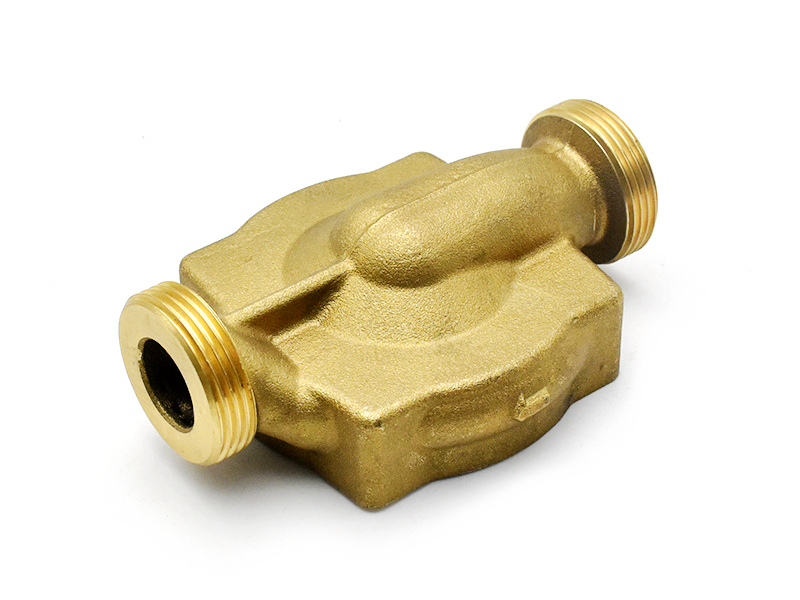
Свинцовистая бронза C83600, часто называемая «красной латунью» или «унциевым металлом», является одним из наиболее широко используемых медных литейных сплавов, разработанных для применений, требующих отличной обрабатываемости, высокой износостойкости и превосходных подшипниковых характеристик. Благодаря сбалансированному составу из меди, олова, свинца и цинка, C83600 сочетает структурную стабильность с выдающимися скользящими характеристиками, что делает её идеальной для втулок, подшипников, клапанов, насосов, сантехнических компонентов и декоративной литой фурнитуры. Свинец обеспечивает естественную смазываемость и отличное дробление стружки, в то время как олово повышает прочность и коррозионную стойкость. При производстве с использованием процесса точного литья меди под давлением от компании Neway и поддержке передового изготовления оснастки и пресс-форм, C83600 обеспечивает постоянную точность размеров, низкую пористость и исключительную долгосрочную надежность в промышленных, архитектурных и механических системах.

Альтернативные варианты материалов
Для более высокой механической прочности или работы при повышенных температурах алюминиевая бронза C95400 предлагает повышенную твердость и износостойкость. Если приоритетом являются низкое трение и улучшенная усталостная прочность, отличным альтернативным вариантом является оловянная бронза C90500. Для экономичных литых корпусов или компонентов, не являющихся подшипниками, латунь 380 обеспечивает хорошую обрабатываемость и литейные свойства. Если экологическое соответствие требует сплавов с низким содержанием свинца, для соблюдения ограничений RoHS или требований к питьевой воде могут быть выбраны автоматная латунь C85700 или кремнистая латунь C87850. Инженеры также могут рассмотреть высокопрочную кремнистую бронзу C87300 для применений, требующих как коррозионной стойкости, так и конструкционной прочности.
Международные эквиваленты / сопоставимые марки
Страна/Регион | Эквивалент / Сопоставимая марка | Конкретные коммерческие бренды | Примечания |
США (ASTM/SAE) | C83600 | Belmont C83600, MetalTek C836, Concast C836 | Стандартная американская красная латунь для сантехнических и подшипниковых отливок. |
Европа (EN) | CC491K / CuSn7Zn4Pb7 | Wieland CC491K, Diehl Metall CC491K | Наиболее часто используемый европейский эквивалент красной бронзы. |
Великобритания (BS) | LG2 | Sarval LG2, Avon LG2 | Традиционная британская красная бронза; схожий химический состав. |
Китай (GB/T) | ZCuSn5Zn5Pb5 | Местные литейные серии ZCuSn | Широко используется для клапанов, насосов и сантехнических отливок. |
Япония (JIS) | BC6 | UACJ BC6, Mitsubishi BC6 | Функциональный эквивалент для общих литых бронзовых компонентов. |
Назначение конструкции
C83600 была разработана как универсальный бронзовый сплав общего назначения, обеспечивающий отличную обрабатываемость и износостойкость при сохранении хорошей коррозионной стойкости в воде, паре, слабых химических веществах и смазанных средах. Содержание свинца обеспечивает естественные самосмазывающиеся свойства, делая её идеальной для подшипников, направляющих и скользящих компонентов. Сбалансированная матрица Cu–Sn сплава обеспечивает прочность и размерную стабильность, в то время как цинк способствует литейным свойствам и текучести. Инженеры обычно выбирают C83600 для компонентов, требующих частого движения, демпфирования вибрации, ударопрочности или долгосрочной надежности уплотнения. Сплав также хорошо подходит для декоративной архитектурной фурнитуры благодаря своему теплому красно-бронзовому виду и отличной реакции на полировку и отделку.
Химический состав
Элемент | Медь (Cu) | Олово (Sn) | Свинец (Pb) | Цинк (Zn) | Железо (Fe) | Никель (Ni) | Другие |
Состав (%) | 84–86 | 4.0–6.0 | 4.0–6.0 | 4.0–6.0 | ≤0.30 | ≤0.30 | Следы |
Физические свойства
Свойство | Плотность | Диапазон плавления | Теплопроводность | Электропроводность | Тепловое расширение |
Значение | ~8.7 г/см³ | ~930–1030 °C | ~60–75 Вт/м·К | ~15–20% IACS | ~17–19 мкм/м·°C |
Механические свойства
Свойство | Предел прочности на разрыв | Предел текучести | Относительное удлинение | Твердость | Предел прочности на сжатие |
Значение | ~240–310 МПа | ~100–130 МПа | ~10–20% | ~65–80 HB | ~380–480 МПа |
Ключевые характеристики материала
Отличная обрабатываемость благодаря содержанию свинца и способности к дроблению стружки.
Выдающаяся износостойкость и естественная смазываемость для скользящих или вращающихся компонентов.
Высокая коррозионная стойкость в воде, паре, слабых кислотах и промышленных жидкостях.
Хорошая ударопрочность и демпфирование вибрации для динамических механических узлов.
Стабильные литейные свойства с низкой пористостью и четко очерченными поверхностями.
Теплый бронзовый вид, подходящий для роскошных или архитектурных компонентов.
Хорошая герметичность под давлением для клапанов, корпусов насосов, сантехнической арматуры и устройств управления потоком жидкости.
Низкий коэффициент трения, идеальный для втулок, подшипников и износостойких пластин.
Высокая размерная стабильность даже при повторяющихся циклах нагрузки.
Технологичность и постобработка
Литье меди под давлением: C83600 хорошо заполняет сложные формы, что делает её подходящей для точного литья меди под давлением втулок, корпусов клапанов и декоративной фурнитуры.
Песчаное и гравитационное литье: Для крупных, толстостенных или мелкосерийных компонентов песчаное литье обеспечивает хорошую структурную целостность и однородную микроструктуру.
Постобработка механической обработкой: C83600 исключительно хорошо обрабатывается на станках с ЧПУ, обеспечивая гладкие поверхности и точные посадки при минимальном износе инструмента.
Нарезка резьбы, сверление и развертывание: Содержание свинца обеспечивает легкий контроль стружки и отличное качество поверхности для резьбовых компонентов.
Галтовка и удаление заусенцев: Галтовка или виброфинишная обработка удаляет заусенцы и острые кромки, подготавливая поверхности для отделки.
Операции сборки: C83600 совместима с крепежными элементами, посадками с натягом, пайкой и системами соединения, используемыми в системах обработки жидкости и механических узлах.
Инспекция и проверка размеров: Компоненты, особенно клапаны и корпуса насосов, проверяются с использованием инспекционного и испытательного оборудования Neway на герметичность и внутреннее качество.
Подходящая поверхностная обработка
Полировка: C83600 исключительно хорошо поддается полировке для декоративных или архитектурных компонентов.
Прозрачное покрытие: Прозрачные защитные пленки предотвращают образование патины в эстетических применениях.
Гальваническое покрытие (Ni, Cr): Обеспечивает повышенную износостойкость и улучшенный внешний вид поверхности.
Порошковое покрытие: Обеспечивает долговечные цветные покрытия для промышленных корпусов и потребительской фурнитуры.
Пропитка маслом: Улучшает смазку для применений в подшипниках и втулках.
Дробеструйная обработка: Создает равномерную матовую текстуру перед покрытием или сборкой.
Лазерная маркировка: Обеспечивает долговечную идентификацию деталей для механических компонентов и компонентов для обработки жидкости.
Распространенные отрасли и применения
Клапаны, насосы и сантехническая арматура.
Подшипники, втулки и скользящие компоненты.
Оборудование для гидравлических и пневматических систем.
Архитектурная и декоративная бронзовая фурнитура.
Морское оборудование, требующее коррозионностойких сплавов.
Корпуса для управления потоком жидкости и уплотнительные компоненты.
Когда выбирать этот материал
Когда требуется превосходная обрабатываемость и контроль стружки.
При проектировании скользящих, вращающихся или подшипниковых компонентов.
Когда критически важна коррозионная стойкость в водных и жидкостных системах.
Когда демпфирование вибрации и ударопрочность увеличивают срок службы.
Когда желателен привлекательный бронзовый вид в декоративной фурнитуре.
Когда необходима долгосрочная герметичность или работа под давлением.
Изучить связанные блоги