What batch quantities are ideal for urethane casting?
The ideal batch quantity for urethane casting is the quantity that one or more planned silicone molds can supply at the required quality and cadence before cumulative manual cost, mold replacement or demand stability justifies another process. There is no universal piece range. Geometry, resin, demolding strain, finish, accepted yield, variants, revisions and injection-tool economics move the crossover.
Define Demand Before Defining a Batch
Separate the committed order from likely cumulative demand at the current revision. Include colors, durometers, left/right versions, spares and later releases. Parts that share an exterior may still need different molds, inserts, resin controls or inspections.
Release cadence matters. One concentrated lot uses mold, cure, finish and inspection capacity differently from recurring small calls. A supplier may need parallel molds to protect a date even when a single mold could theoretically produce the cumulative quantity over a longer period.
Quantity Decision Matrix
| Program condition | Why urethane may fit | Boundary to verify |
|---|---|---|
| Design still changing | Limits exposure to permanent tooling | Master/mold remake and obsolete parts |
| Several consistent prototypes needed | One approved master can feed repeat molds | Accepted output and mold-to-mold variation |
| Many cosmetic variants | Geometry may share tooling | Color, finish, masking and approval labor |
| Recurring bridge demand | Can supply before production tooling is ready | Cumulative manual cost and reserved capacity |
| Stable continuing demand | May remain viable for specialized low rate | Injection/CNC/additive quotation and rate needs |
Silicone Mold Output Is a Project Assumption
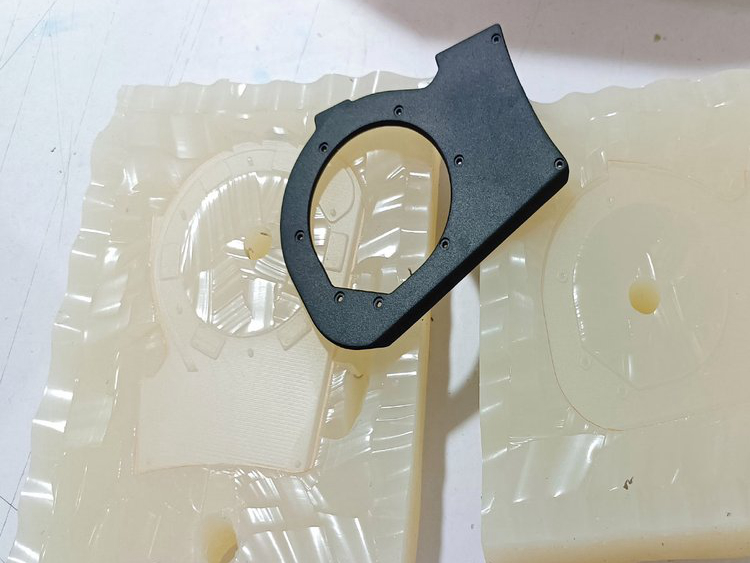
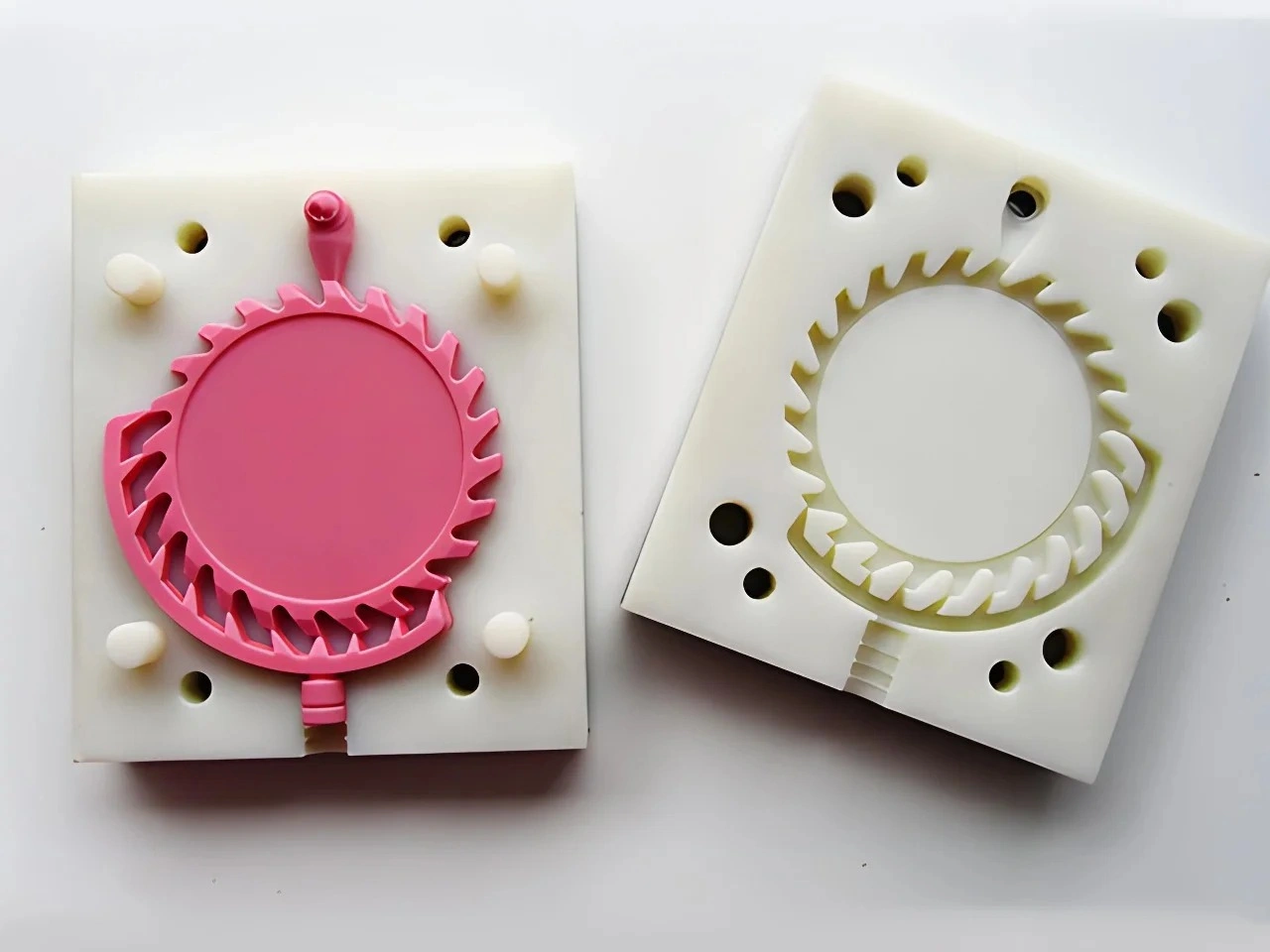
Mold output depends on silicone system, urethane chemistry, cure heat, part shape, undercuts, extraction force, release practice and the surface or dimensional deterioration the buyer accepts. A cosmetic lens surround and a hidden internal bracket should not share a universal life assumption.
Ask what condition triggers mold replacement: torn edges, texture loss, flash growth, dimensional drift or visual witness. The silicone mold output factors support this discussion, but actual first-casting and ongoing inspection must control release.
Price Accepted Output, Not Nominal Castings
Include master and mold work, resin, inserts, manual casting, cure, trimming, seam repair, paint, assembly, inspection, rejected pieces, replacement molds and freight. If destructive tests or approval samples consume castings, distinguish them from the accepted delivery quantity.
A low nominal piece price can hide extensive finishing or an optimistic mold assumption. Request the accepted quantity per release and state how remakes affect cost and date. Compare other routes at the same final condition and quality standard.
Parallel Molds Trade Cost for Capacity
Several molds can increase casting capacity and reduce dependence on one tool, but they add mold-making and cavity-to-cavity approval. They may also create small differences in parting, texture, trim or dimensional behavior. State whether parts from different molds may mix in one appearance set.
Reserve cure, demolding, finishing and inspection capacity along with molds. Additional tools do not increase accepted output when paint or manual seam work is the bottleneck. Use a dated plan tied to accepted pieces.
Variants and Revisions Consume the Economics
A color change may reuse geometry but require purge, material preparation, new plaques, masks or paint approval. A geometry revision may invalidate the master, mold, trim fixture and gauge. Count these assets by revision rather than combining all units into one misleading quantity.
Use design gates after DFM, master approval and first casting. If the team intentionally orders a small learning batch before freezing the design, price the likely next iteration separately. Flexibility has value only when its cost and evidence are visible.
Compare Cumulative Demand Scenarios
Obtain quotes at committed, likely and upside demand. For urethane, show mold count, replacement assumption, labor, finish and cadence. For injection molding, show tooling, sampling, production resin, recurring processing and qualification. For direct printing or CNC, include all post-processing needed to match the same test state.
The lowest route can change between scenarios. There is no fixed break-even quantity because geometry, production tool complexity, material, rate and revision risk vary. Compare the remaining program from the decision date rather than allowing sunk soft-tool spending to determine the future.
Set Transition Gates
Review the route when the design survives agreed releases, forecast becomes funded, repeated soft-mold cost grows, quality drifts, manual capacity cannot meet cadence, or production-material evidence becomes necessary. A trigger starts a business and engineering comparison; it does not automatically authorize injection tooling.
The guidance on transitioning from urethane to production tooling should include new DFM and qualification. Urethane findings can transfer design intent, but they do not qualify thermoplastic flow, production resin or tool capability.
Batch RFQ Checklist
Send controlled CAD and drawing, committed and forecast demand, release cadence, variants, revision outlook, resin attributes, appearance classes, critical dimensions, inserts, finish, tests, reports, packaging and destination. State whether partial shipments and mixed-mold lots are acceptable.
Ask for master strategy, mold count, assumed accepted output, replacement criteria, first-piece approval, capacity, finish bottleneck, remake responsibility, change terms and quotations at realistic demand scenarios. The right batch is proven by accepted-part economics and schedule for the actual program, not by a universal ideal range.