How Can Buyers Confirm a Zinc Die Casting Service Can Handle Cosmetic and Functional Parts?
How Can Buyers Confirm a Zinc Die Casting Service Can Handle Cosmetic and Functional Parts?
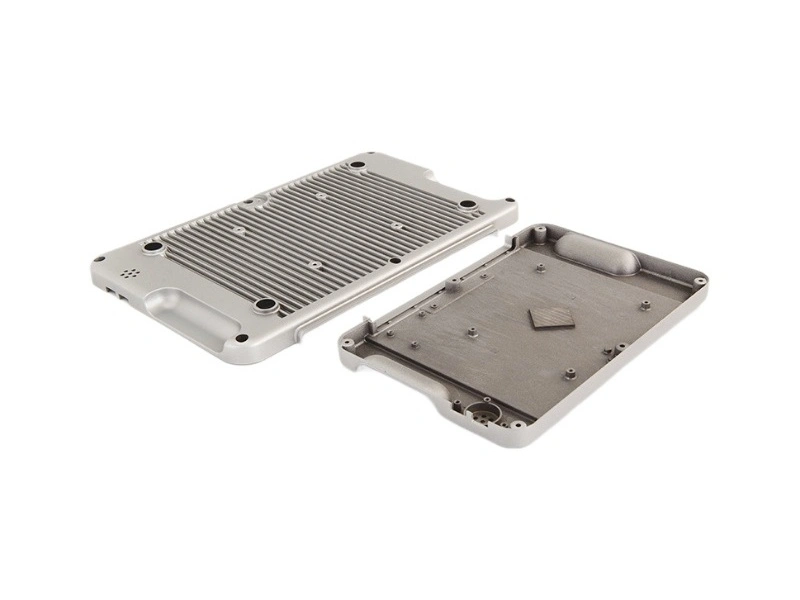
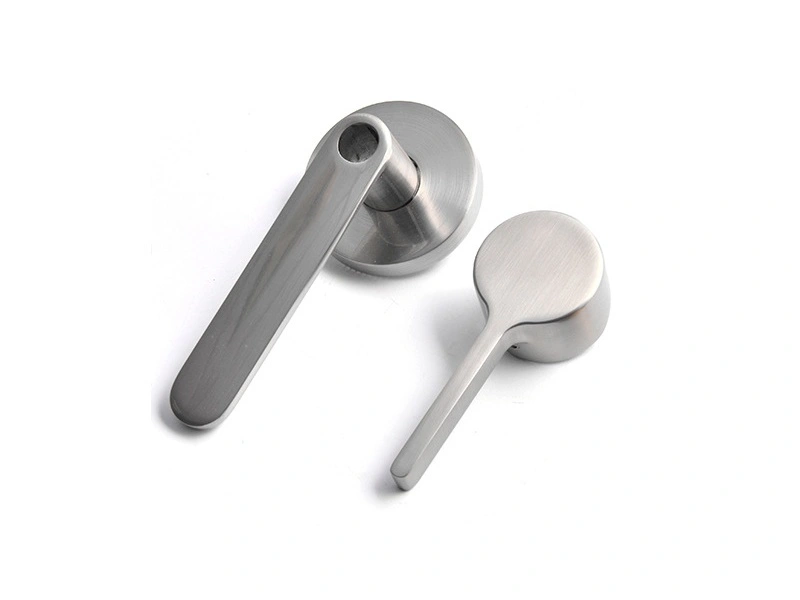
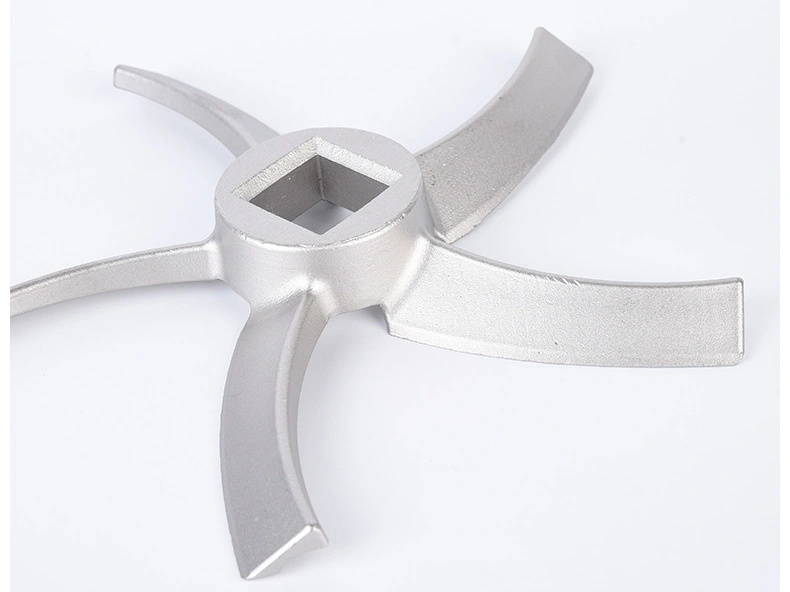
Buyers can confirm whether a zinc die casting service can handle cosmetic and functional parts by reviewing its tooling planning, surface finishing control, CNC post-machining capability, inspection methods and previous experience with appearance-critical or assembly-critical zinc components.
1. Why Cosmetic and Functional Requirements Must Be Reviewed Together
Many zinc die cast parts have both appearance and function requirements. A visible surface may need plating, painting or decorative coating, while another area may need accurate holes, threads, hinges, datum surfaces or assembly clearance. These requirements can conflict if they are not planned together.
For example, plating can improve appearance but reduce clearance. Polishing can improve visual quality but reveal casting defects. CNC machining can protect critical dimensions, but it must be coordinated with finishing thickness and assembly requirements.
Requirement Type | Key Concern | Supplier Capability Needed |
|---|---|---|
Cosmetic surface | Visible face, coating quality and color difference. | Tooling and finishing control. |
Threaded area | Fastening strength and durability. | CNC machining or tapping inspection. |
Hinge area | Smooth movement and dimensional stability. | Dimensional control and trial assembly. |
Plated area | Coating appearance and thickness. | Surface finishing control. |
Assembly datum | Positioning and repeatable fit. | Post-machining and CMM inspection. |
2. What Cosmetic Zinc Die Casting Services Should Control
Cosmetic zinc die casting services should control visible surfaces, parting lines, ejector marks, gate marks, base casting surface quality, coating thickness, color consistency and plating appearance. If the cosmetic surface is not defined before tooling, the mold design may place marks on the most visible area.
Buyers should ask how the supplier coordinates zinc die casting and surface finishing, especially when the part requires decorative coatings for die cast parts.
3. What Functional Zinc Die Cast Parts Should Control
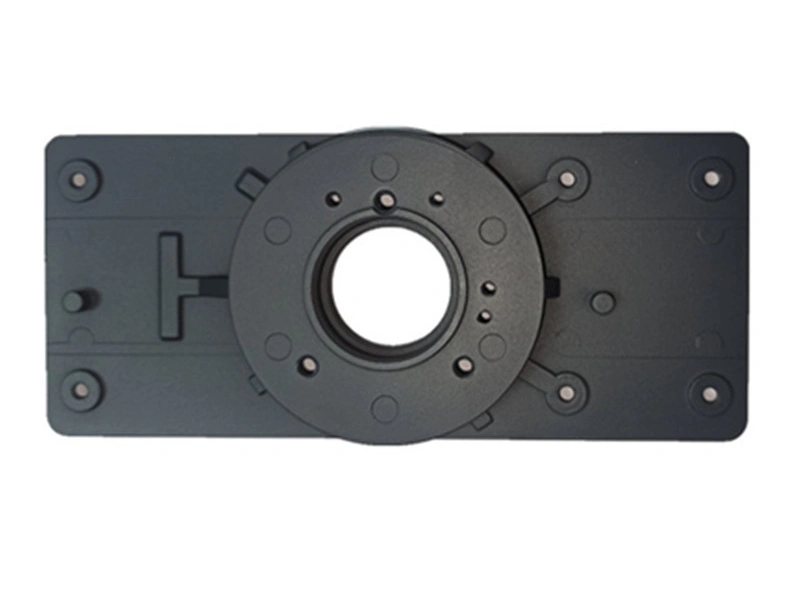
Functional zinc die cast parts may require controlled hole position, thread quality, hinge fit, sealing surfaces, datum surfaces and assembly clearance. These features often need CNC machining for zinc die cast components or post-machining.
Neway can also support CNC post-machining for assembly fit, helping buyers protect critical dimensions after casting and before final assembly.
4. How to Confirm the Supplier Can Control Both Requirements
Buyers should request evidence that the supplier can control both appearance and function. This may include cosmetic sample approval, functional sample testing, CMM inspection, post-machining plans, coating thickness review, trial assembly and previous project experience with cosmetic and functional zinc die cast parts.
The best supplier is not only able to cast the part. It should understand how surface finishing, CNC machining and assembly interact with zinc die casting quality.
Summary
Buyer Concern | Supplier Capability to Check |
|---|---|
Visible surfaces must look premium. | Check cosmetic surface planning, tooling layout and finishing control. |
Functional features must assemble correctly. | Check CNC machining, post-machining and inspection capability. |
Finishing may affect assembly. | Review coating thickness, masking and finished-part dimensions. |
Appearance and function both matter. | Choose a supplier that controls casting, machining and surface finishing together. |