How Can Visible Surfaces Be Controlled on Zinc Die Cast Components?

How Can Visible Surfaces Be Controlled on Zinc Die Cast Components?
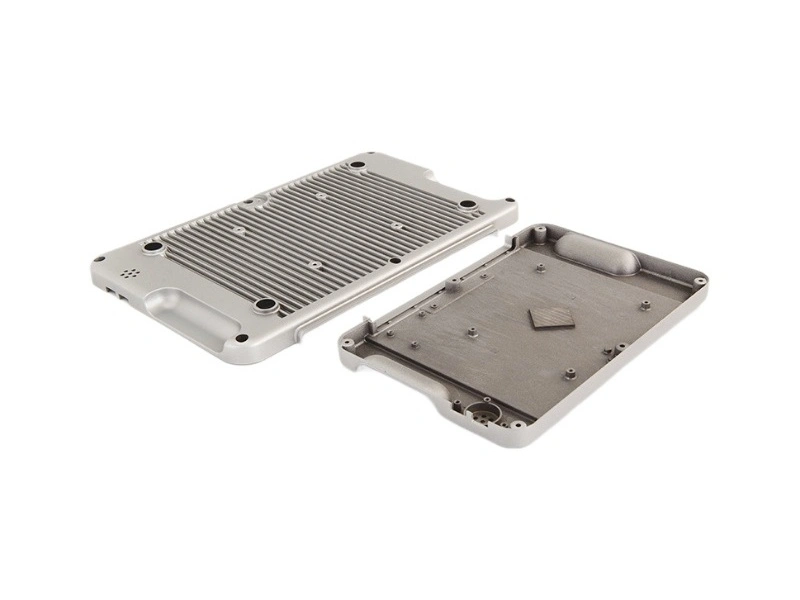
Visible surfaces on zinc die cast components can be controlled by defining cosmetic faces before tooling, planning parting lines, gate locations and ejector marks carefully, selecting suitable surface finishing, approving golden samples and protecting finished parts during packaging.
1. Why Visible Surface Control Starts Before Tooling
Visible surface quality is not something that can be fully repaired after casting. Cosmetic faces must be defined before mold design because tooling decisions determine where parting lines, ejector marks, gate marks and trimming areas appear. If the buyer does not mark visible surfaces early, mold marks may appear on the front side of the product.
For cosmetic zinc die cast parts, buyers should clearly mark visible faces in drawings, samples or appearance standards. Neway can then review tooling for cosmetic zinc die cast parts to reduce avoidable appearance risks.
Visible Surface Factor | Risk if Ignored | Control Method |
|---|---|---|
Cosmetic face | Tooling marks may appear on the front surface. | Mark visible surfaces before mold design. |
Parting line | Visible edges may look rough or uneven. | Review tooling layout and parting line position. |
Ejector mark | Marks may affect product appearance. | Place ejector marks on non-visible areas when possible. |
Plating surface | Surface defects may become more obvious after finishing. | Improve base casting surface and finishing preparation. |
Packaging | Finished components may be scratched during transport. | Use protective separation and surface protection. |
2. How Surface Finishing Affects Visible Quality
Surface finishing can improve appearance, corrosion resistance and brand value, but it can also reveal casting defects if the base surface is not controlled. Polishing and electroplating may make small defects more visible. Painting and powder coating require stable adhesion, color control and thickness planning.
Neway can support surface finishing for zinc die cast components, painted zinc die cast components, powder coating and decorative coatings for zinc die cast parts.
3. Why Golden Samples Help Control Batch Appearance
A golden sample helps define the approved appearance for visible zinc die cast components. It can show acceptable color, gloss, texture, coating quality and visible surface condition. However, the golden sample should be supported by written standards so that later batches can be judged consistently.
For consumer products, hardware, locks, housings and decorative components, the buyer should confirm whether the supplier can maintain appearance consistency across repeated production batches.
Appearance Control Item | What to Confirm | Why It Matters |
|---|---|---|
Visible surface map | Which areas are customer-facing surfaces. | Guides tooling, finishing and inspection decisions. |
Approved finish sample | Color, gloss, plating quality or coating texture. | Creates a reference for batch comparison. |
Tooling mark location | Where parting lines, gates and ejector marks appear. | Reduces cosmetic defects on visible faces. |
Packaging method | How finished surfaces are separated and protected. | Prevents scratches after production approval. |
4. Common Risks in Visible Surface Control
Common risks include visible surfaces not being defined, ejector marks appearing on the front face, plating making defects more obvious, powder coating thickness affecting assembly clearance and packaging allowing finished parts to rub against each other. These risks can cause rework even when the casting dimensions are acceptable.
For this reason, visible surface control should be planned from the tooling stage through finishing and packaging. It should not be treated as a final polishing step after casting is complete.
Summary
Buyer Concern | Recommended Control |
|---|---|
Visible surfaces must look clean. | Mark cosmetic faces before tooling and review gate, parting line and ejector locations. |
Parts require plating or decorative finishing. | Control base casting surface and approve finished samples. |
Color and finish must stay consistent. | Use golden samples and batch appearance standards. |
Finished parts may be scratched in shipping. | Use protective packaging and part separation. |