How Do Tolerances and Coating Thickness Affect Zinc Die Cast Assembly Fit?
How Do Tolerances and Coating Thickness Affect Zinc Die Cast Assembly Fit?
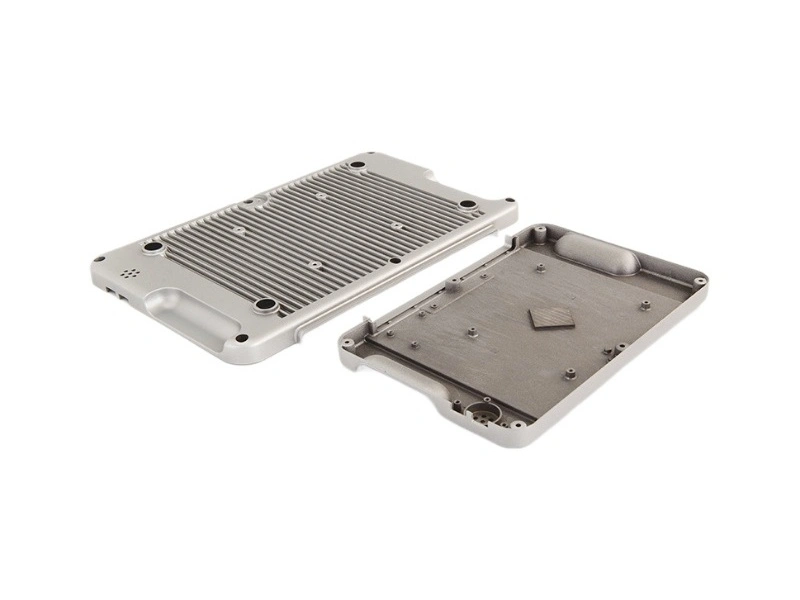
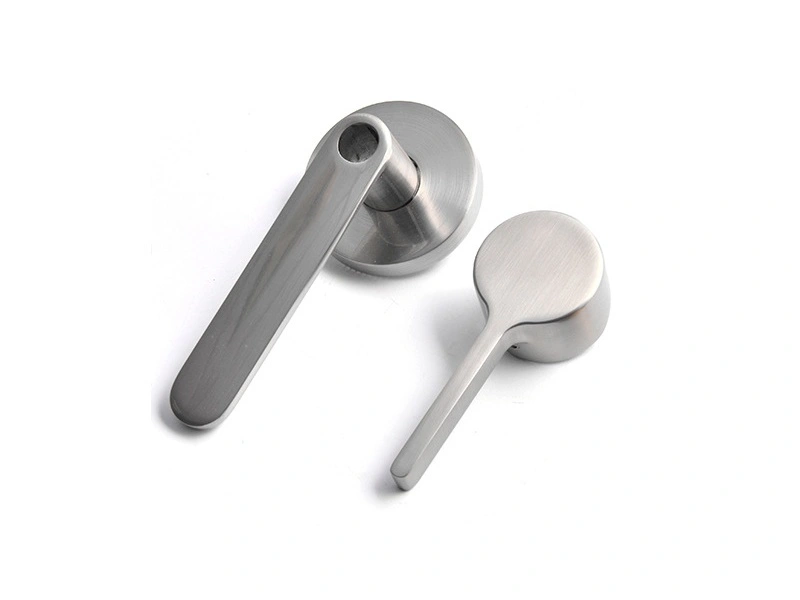
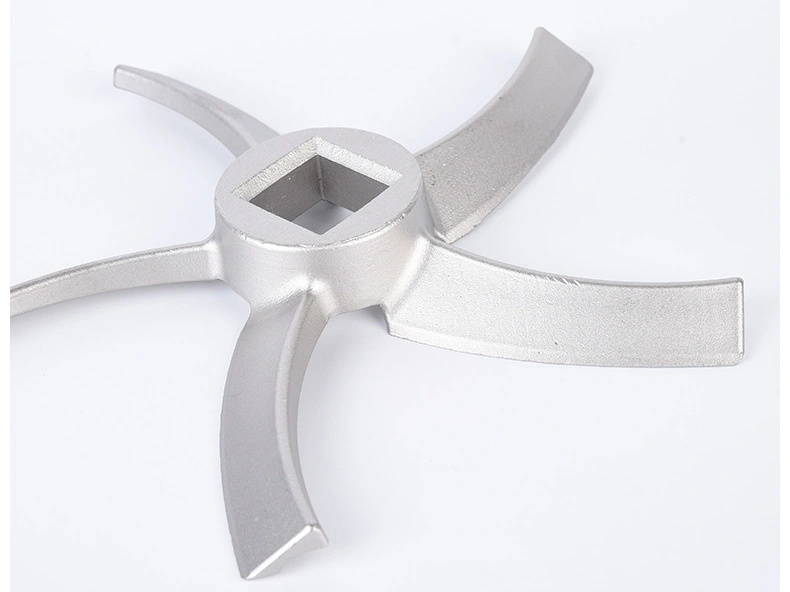
Tolerances and coating thickness affect zinc die cast assembly fit because casting dimensions, CNC machining accuracy, surface finish thickness, fastener variation and mating part tolerances all combine during assembly. Buyers should review tolerance stack-up before mass production instead of checking only single-part dimensions.
1. Why Single-Part Approval Does Not Guarantee Assembly Fit
A single zinc die cast part may meet its drawing, but the final assembly can still fail if multiple tolerances stack together. Casting tolerance, CNC tolerance, coating thickness, screw tolerance, pin tolerance, plastic part tolerance and steel mating part tolerance can all affect fit. This is why assemblies need trial assembly, fit testing and inspection after finishing.
For complex assemblies, buyers should define datum surfaces, critical dimensions, inspection points and functional clearance before tooling and sample approval.
Tolerance Source | Assembly Impact | Control Method |
|---|---|---|
Casting tolerance | Base dimensions may vary from part to part. | Use process control and critical feature review. |
CNC tolerance | Hole position, thread quality and mating features may shift. | Use machining control and CMM inspection. |
Coating thickness | Clearance may become smaller or contact surfaces may interfere. | Control finish thickness and inspect finished dimensions. |
Fastener tolerance | Screw or pin fit may become unstable. | Use gauge checks and approved fastener specifications. |
Mating part tolerance | Assembly may shift or become tight. | Use trial assembly with real mating parts. |
Burrs | Parts may bind, scratch or fail to seat properly. | Use deburring and edge inspection. |
2. How Coating Thickness Changes Assembly Clearance
Surface finishing can change the final size of holes, slots, grooves, snap-fit areas, hinge areas and contact surfaces. Painting, powder coating, decorative coatings or protective coatings may add thickness that reduces clearance. If coating thickness is not considered during design, the assembly may become too tight after finishing.
Neway can review surface finishing for zinc die cast assemblies together with assembly fit, masking requirements and finished-part inspection.
3. How CNC Post-Machining and CMM Inspection Reduce Fit Risk
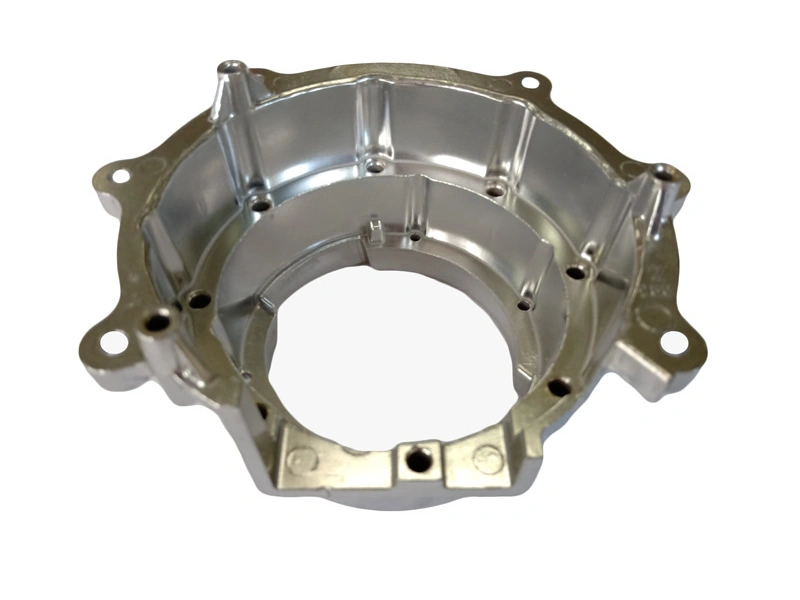
Important assembly features often need controlled machining after casting. These include holes, threads, datum surfaces, sealing faces, pin areas and locating features. Neway can support CNC post-machining for assembly fit and CNC machining to improve functional accuracy.
For critical dimensions, CMM inspection for assembly dimensions can help verify whether the final parts meet the required tolerance before mass production.
Assembly Risk | Possible Cause | Recommended Control |
|---|---|---|
Fit is too tight after finishing | Coating thickness was not included in tolerance stack-up. | Review coating thickness and finished-part clearance. |
Hole position is unstable | As-cast holes are used for critical assembly. | Use post-machining and dimensional inspection. |
Assembly passes samples but fails in batches | No assembly inspection checklist or batch sampling. | Create fit test and sampling standard before production. |
Parts bind or scratch during assembly | Burrs or finishing buildup remain on contact areas. | Use deburring, post-process review and trial assembly. |
4. Why Tolerance Stack-Up Should Be Reviewed Before Mass Production
For zinc die cast assemblies, tolerance stack-up should be checked before mass production release. Buyers should confirm casting tolerances, machined tolerances, coating thickness, mating part variation and assembly test standards. This reduces the risk that parts pass inspection individually but fail during final assembly.
Summary
Buyer Concern | Recommended Control |
|---|---|
Single parts pass inspection but assemblies fail. | Review tolerance stack-up with mating parts and finished surfaces. |
Coating affects clearance. | Control coating thickness and inspect finished assembly dimensions. |
Critical holes or datum surfaces need accuracy. | Use CNC post-machining, CMM inspection and trial assembly. |
Mass production fit is unstable. | Use assembly inspection checklists, batch sampling and controlled production standards. |