How Do Zinc Die Casting Services Manage Tooling, Sampling and Production Handover?
How Do Zinc Die Casting Services Manage Tooling, Sampling and Production Handover?
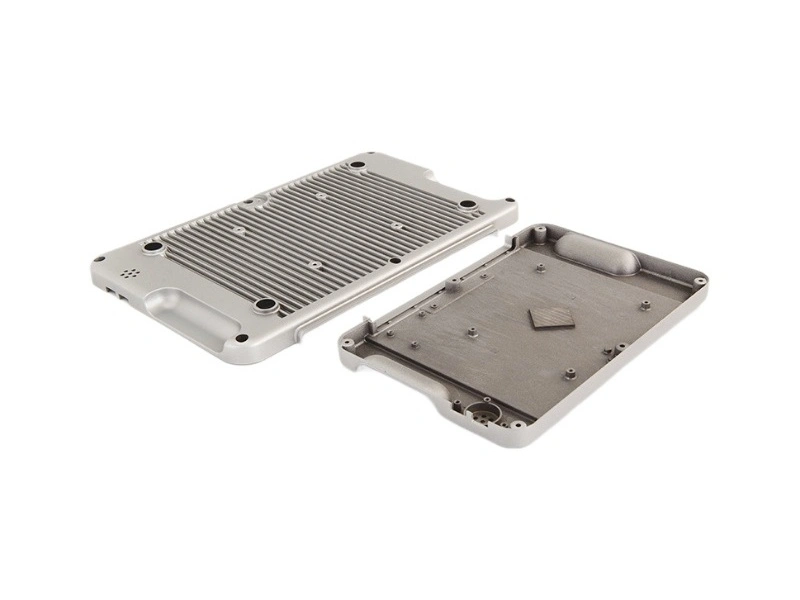
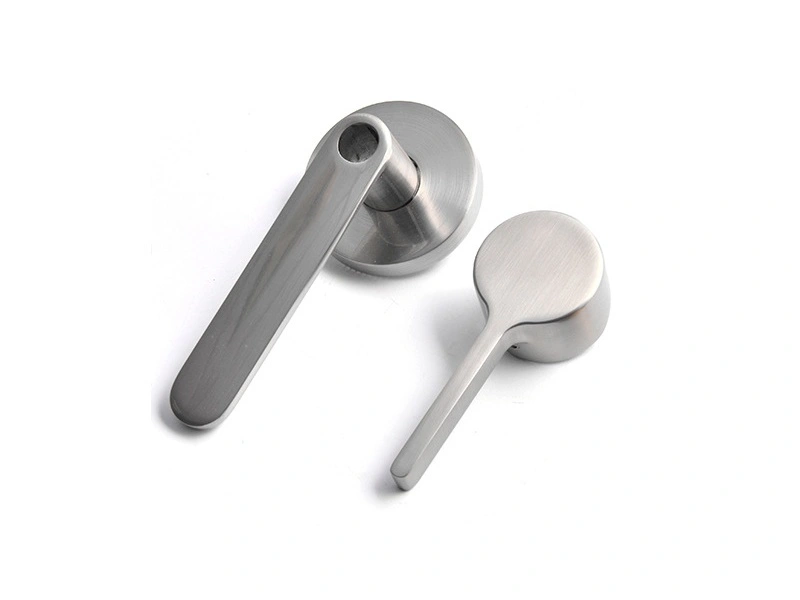
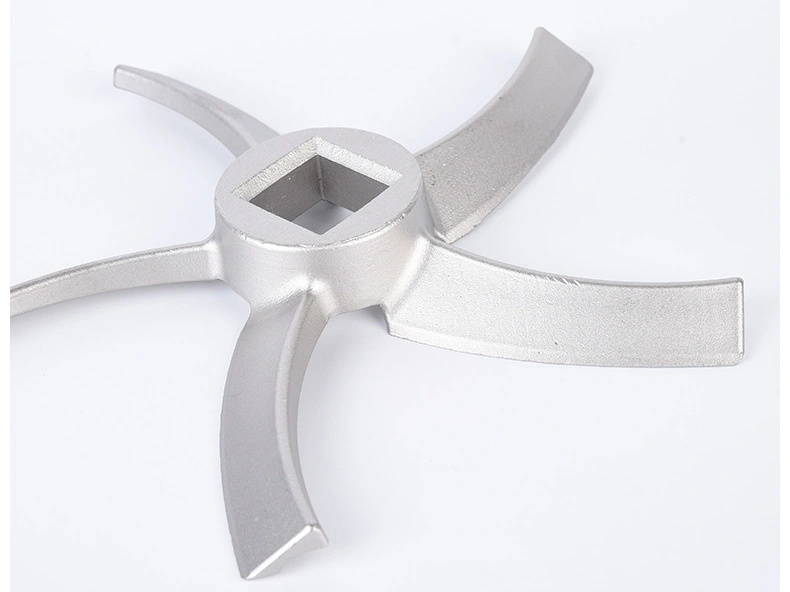
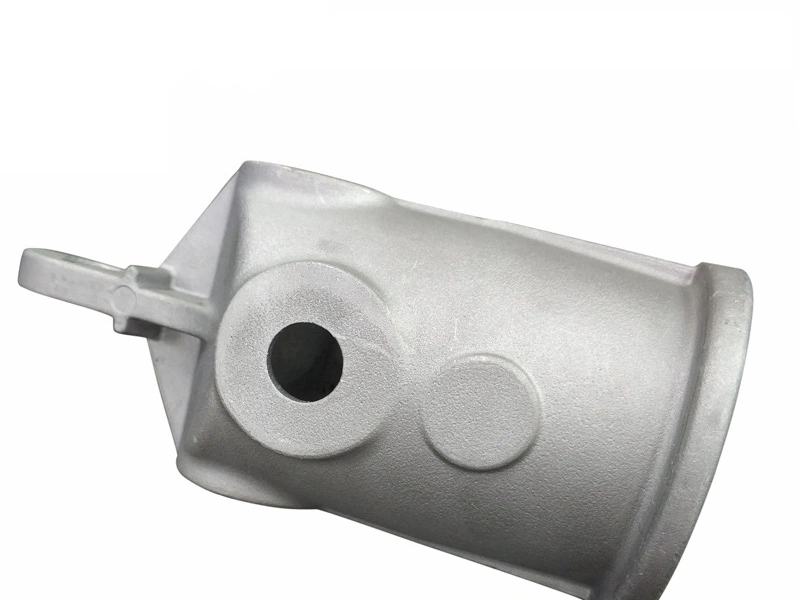
Zinc die casting services should manage tooling, sampling and production handover through DFM review, mold design, trial casting, sample inspection, correction records, approved samples, inspection checklists and controlled production parameters. This helps prevent sample approval from becoming disconnected from mass production.
1. Why Handover From Sample to Production Needs Control
A zinc die casting sample can be approved, but that does not automatically mean the same standard will continue in mass production. Tooling changes, process settings, finishing conditions, inspection standards and packaging methods must be clearly transferred from the sampling stage to the production stage.
Professional zinc die casting services should not only create one approved sample. They should create a repeatable production standard.
Stage | Key Action | Buyer Benefit |
|---|---|---|
DFM review | Check structure, wall thickness and casting risk. | Reduces mold modification after tooling. |
Tooling | Design parting line, gate, ejector and cooling strategy. | Improves forming stability and repeatability. |
Sampling | Verify dimensions, appearance and functional features. | Confirms whether the part is usable. |
Correction | Record mold modification and process adjustment. | Prevents repeated problems and unclear mold status. |
Handover | Build production standards and inspection checklist. | Maintains batch consistency after sample approval. |
2. How Tooling Affects Zinc Die Casting Stability
Tooling decisions affect parting lines, gate marks, ejector marks, shrinkage risk, dimensional stability and surface appearance. A strong zinc die casting tooling service should connect mold design with the buyer’s functional and cosmetic requirements.
If tooling changes are not recorded, the approved sample may no longer match the actual production mold status. This can create confusion during repeat orders, especially after mold repair or modification.
3. How Sampling Should Be Managed Before Production
The zinc die casting sampling process should verify size, appearance, function, finishing compatibility and assembly fit. If the part is complex, buyers may also use low-volume zinc die casting trial production before full production.
Sample approval should be supported by measurement results, appearance standards, correction records and an approved sample. A golden sample can help define the expected final part, while an inspection checklist turns the sample standard into a repeatable production requirement.
4. How Production Handover Protects Repeat Quality
Production handover should include approved drawings, mold status, casting parameters, inspection points, surface finish requirements, packaging standards and any sample correction records. These details help production teams repeat the approved sample instead of starting from uncertain assumptions.
For repeat production, Neway can support prototype to mass production zinc die casting with mass production quality control for zinc cast parts.
Summary
Buyer Concern | Recommended Control |
|---|---|
Will the tooling support stable production? | Use DFM review, controlled mold design and tooling records. |
Will samples match later production? | Use approved samples, correction records and inspection checklists. |
Can risks be found before mass production? | Use sampling and low-volume trial production when needed. |
How can batch consistency be maintained? | Transfer sample standards into controlled mass production parameters. |