Is Zamak Better Than Aluminum for Custom Die Cast Parts?
Zamak is better than aluminum for many small, detailed and decorative die cast parts; aluminum is better when low mass, larger structural geometry, heat dissipation or higher service temperature drives the design. Neither material wins universally. Buyers should compare a named Zamak grade and aluminum alloy in the finished geometry, including tooling, machining, finish, assembly and validation cost.
Start with the functional priority
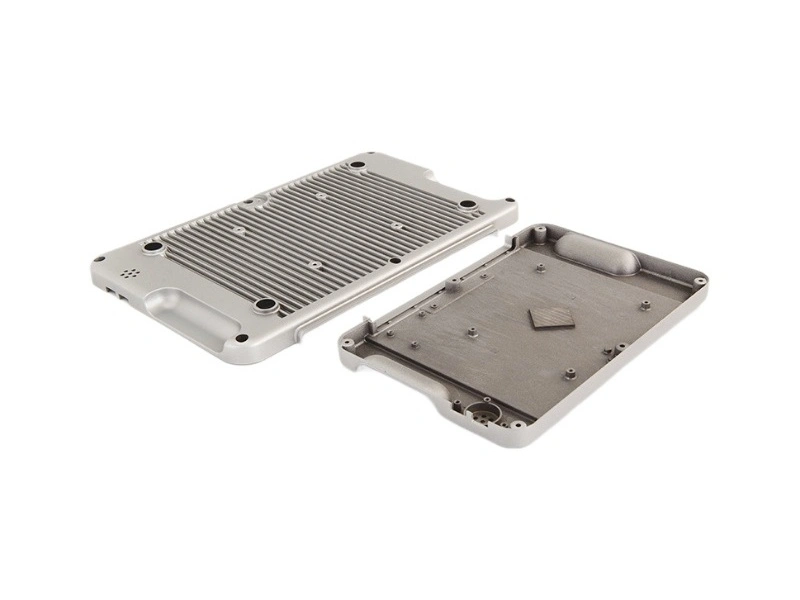
A compact lock body can benefit from Zamak's filling behavior, stiffness in a small envelope and finish-ready surface even though it weighs more. A broad electronic enclosure may favor aluminum because the lower density reduces product mass and the alloy family is widely used for heat-spreading structures. Changing only the material in the same CAD model is usually a poor comparison; wall layout, ribs, bosses and fastening strategy may need redesign for each route.
The first screening question is therefore not "Which metal is stronger?" It is "Which material-process combination meets the duty with the lowest delivered risk?" The answer depends on load type, temperature, corrosion exposure, allowed mass, geometric detail, surface requirement, production demand and end-of-life considerations.
Compare the material-process combination
Decision factor | Zamak direction | Aluminum direction |
|---|---|---|
Part mass | Higher density can be acceptable or useful in compact hardware | Preferred when reducing mass is a leading requirement |
Fine cast detail | Strong candidate for small lettering, ribs and compact features after DFM | Capable, but the practical geometry and die design differ |
Decorative metallic finish | Often selected for polished and plated visible hardware | Can be painted, coated or finished, with alloy/process-specific appearance limits |
Thermal role | Usually not the first choice for heat-spreading, weight-sensitive structures | Common direction for housings and heat-management geometry |
Elevated-temperature duty | Requires close review of sustained load and temperature | Often provides a wider candidate field, but the named alloy still needs validation |
Tool economics | Hot-chamber processing can favor repeated small parts and long-running dies | Tool, machine and cycle assumptions differ; compare the actual quote |
Where Zamak usually wins
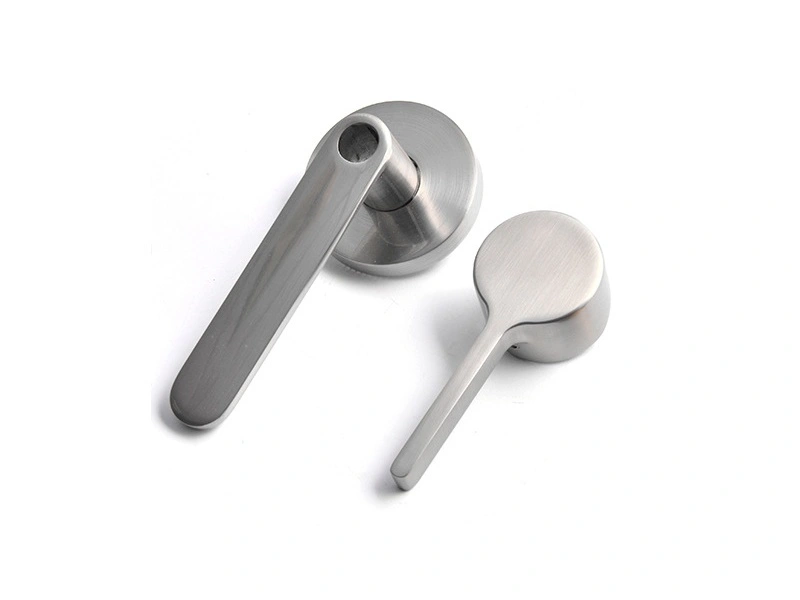
Zamak die casting is often the better direction for compact handles, knobs, lock mechanisms, latches, connector shells and decorative fittings. These parts gain from feature integration and a smooth, controllable substrate. Zinc's density can also provide a deliberate feeling of substance in hand-operated hardware, although perceived quality is a design choice rather than a technical performance metric.
Zamak can form thin local details, but no supplier should quote a universal minimum wall. Flow length, adjacent mass, gate position, venting and cosmetic class determine what is stable. Its good filling behavior is most valuable when it removes operations without creating fragile die steel or unacceptable porosity.
Where aluminum usually wins
Aluminum die casting is usually the stronger candidate for weight-sensitive enclosures, larger housings, brackets and parts with a deliberate heat-transfer function. It can reduce mass substantially for an equal volume, but equal volume is not always equal function. Redesign both candidates and compare stiffness, load path, surface area and fastening.
Aluminum is also commonly screened first for service temperatures at which sustained loading makes Zamak unsuitable. That does not permit a blanket temperature rating. Alloy, stress, exposure time and required safety factor still govern. Thermal conductivity and corrosion behavior likewise depend on the alloy, casting condition and finish.
Strength numbers can mislead
Published tensile or yield values describe standardized specimens under specified conditions. A die cast part contains local section changes, skin, possible internal discontinuities and residual stress. Zamak may show attractive room-temperature properties, yet time-dependent deformation under sustained load or heat can control the application. Aluminum may require a thicker or differently ribbed section to achieve the same stiffness.
Use analysis to screen the design, then test production-representative parts at the real load, temperature and fastening condition. For impact or cyclic duty, define the event and acceptance criterion. The practical comparison is between two validated designs, not two isolated data-sheet numbers.
Finish and corrosion require a system comparison
Zamak is well suited to polished and plated decorative hardware when the casting substrate is sound and preparation is controlled. Aluminum offers its own finish routes, including conversion, painting, powder coating and alloy-dependent anodizing. The visual language and protection mechanism are different, so a buyer should compare approved finish systems rather than ask which bare metal looks better.
Define exposure, color, gloss, texture, contact materials, cleaning chemicals and required tests. Salt exposure, adhesion or appearance tests need a cited method and acceptance level agreed for the product. Galvanic contact with another metal and trapped moisture can defeat either choice if the assembly is poorly designed.
Compare cost at equal delivery scope
Material price per kilogram cannot decide the project. Zamak uses more mass for the same volume, while its processing and feature detail may reduce machining, polishing or assembly. Aluminum may lower shipping and product mass but require a different die, larger machine or changed finish route. Tool maintenance, cavity count, cycle, scrap, secondary operations and inspection all belong in the comparison.
Ask each supplier for the same annual volumes, drawing revision, finish, inspection, packaging and delivery terms. Separate one-time tooling and fixtures from recurring cost. Model a conservative lifetime quantity and the cost of engineering changes. A low unit quote tied to unrealistic volume or finish yield is not a reliable saving.
A practical selection sequence
First, reject any material that cannot meet load, temperature, exposure or regulatory requirements. Second, redesign the viable candidates for their process rather than preserving identical walls. Third, compare mass, feature consolidation, tooling, secondary work and validation. Finally, build and test the most credible route under representative production conditions.
Provide the supplier with controlled drawings, annual and lifetime quantities, load cases, temperature, mating parts, cosmetic zones and finish tests. Broader guidance on casting material selection can establish alternatives, but the release decision belongs to the specific part.
Decision rule
Choose Zamak when compact detail, precise feature relationships and decorative finishing outweigh the mass penalty and the service duty remains suitable for the selected grade. Choose aluminum when low mass, thermal function, larger geometry or temperature performance has greater value. If neither route clearly meets low-volume economics or material duty, compare machining, fabrication or another casting process instead of forcing a two-material decision.