What Capability Signals Show a Zinc Die Casting Supplier Can Handle Complex Zamak Parts?
What Capability Signals Show a Zinc Die Casting Supplier Can Handle Complex Zamak Parts?
A zinc die casting supplier can usually handle complex Zamak parts if it understands alloy selection, thin-wall casting, small feature replication, tooling layout, surface finishing, CNC post-machining and dimensional inspection. Complex Zamak parts need more than basic casting capacity.
1. Why Complex Zamak Parts Need Stronger Supplier Capability
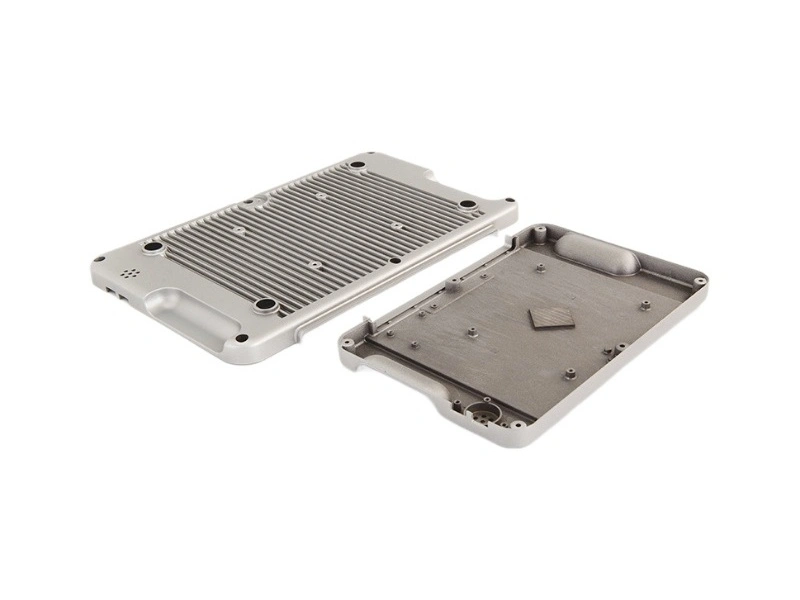
Complex Zamak parts may include thin walls, small holes, logos, fine textures, decorative surfaces, hinge areas, threaded features or assembly structures. These features increase the difficulty of tooling, filling, ejection, finishing and inspection. A supplier that only handles simple zinc castings may not understand the risks before tooling begins.
Buyers should look for suppliers that can explain material choice, tooling layout, surface finishing and dimensional control clearly. If the supplier cannot discuss these points, it may not be suitable for high-value complex Zamak die casting parts.
Capability Signal | Why It Matters for Complex Zamak Parts |
|---|---|
Alloy recommendation | Helps avoid material mismatch for strength, surface finish or dimensional stability. |
Tooling layout review | Controls cosmetic surfaces, parting lines, gates, ejector marks and forming risks. |
Thin-wall assessment | Reduces short shots, cold shuts and unstable filling in small sections. |
Finishing planning | Helps control plating, painting, coating appearance and surface defects. |
CNC support | Protects functional dimensions, holes, threads and assembly interfaces. |
Inspection method | Supports stable quality across samples and repeat production. |
2. How Alloy Knowledge Shows Supplier Professionalism
A professional supplier should understand how different Zamak alloys affect the project. For example, Zamak 3 die casting supplier support may be suitable for stable casting and general precision parts. Zamak 5 die casting parts may be considered when higher strength is needed. Zamak 7 for complex zinc die casting may be relevant when fluidity and detail reproduction are important.
The supplier does not need to choose the most expensive alloy automatically. It should explain the reason for alloy selection based on function, surface finish, geometry, production volume and final application.
3. How Tooling Layout Affects Complex Zamak Parts
Complex Zamak parts often fail when tooling layout is not planned carefully. Parting lines may appear on visible surfaces. Gate marks may affect appearance or assembly. Ejector marks may interfere with cosmetic faces. Thin walls may not fill properly if the gating strategy is weak.
This is why buyers should confirm whether the supplier can provide tooling review before mold manufacturing. Tooling planning is one of the strongest signals that a supplier can handle complex Zamak projects instead of treating them as ordinary castings.
Complex Feature | Supplier Should Review | Buyer Benefit |
|---|---|---|
Thin walls | Filling path, wall transition and alloy suitability. | Reduces short shots and cold shuts. |
Small holes | As-cast feasibility and machining allowance. | Improves assembly and dimensional control. |
Logos and textures | Tooling detail, draft angle and ejection risk. | Improves detail reproduction and mold life. |
Visible surfaces | Parting line, gate and ejector location. | Protects cosmetic quality after finishing. |
Post-machined features | Machining allowance and datum planning. | Protects functional dimensions. |
4. Why Finishing and Inspection Capacity Matter
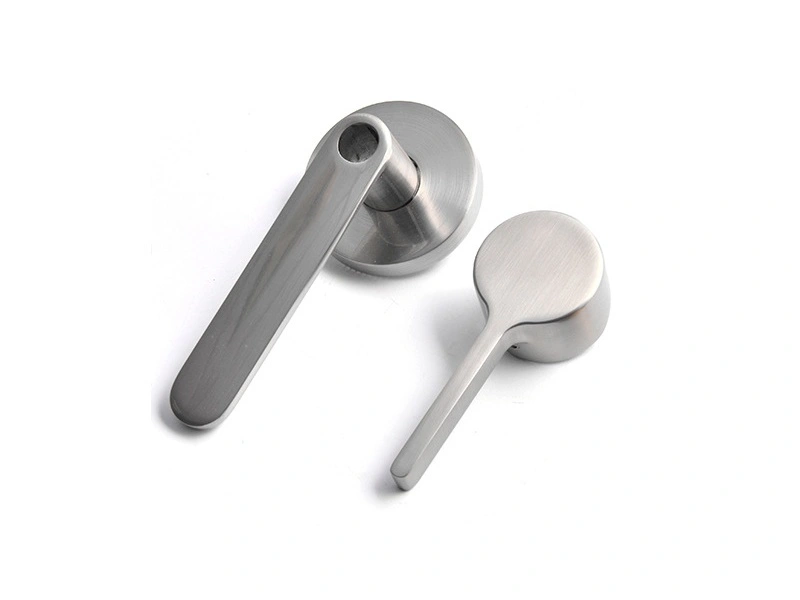
Complex Zamak parts often require plating, painting, powder coating or decorative finishing. If the base casting quality is poor, finishing may make defects more visible. If coating thickness is not planned, assembly clearance may change. Neway can support decorative coatings for Zamak parts when appearance and surface value are important.
Inspection is also necessary because complex parts may have small features, tight assembly areas and visible surfaces. Buyers should ask how the supplier checks dimensions, surface quality, thread features and finished-part consistency.
Summary
Buyer Concern | Capability Signal to Check |
|---|---|
The part has thin walls or small details. | Check alloy knowledge, thin-wall assessment and tooling review. |
The part has cosmetic surfaces. | Check parting line planning, finishing control and decorative coating support. |
The part has functional holes or assembly features. | Check CNC post-machining and inspection capability. |
The part needs repeat production. | Check whether the supplier can maintain detail, dimensions and finish across batches. |