What Should Buyers Confirm Before Ordering Zinc Die Cast Assemblies?
What Should Buyers Confirm Before Ordering Zinc Die Cast Assemblies?
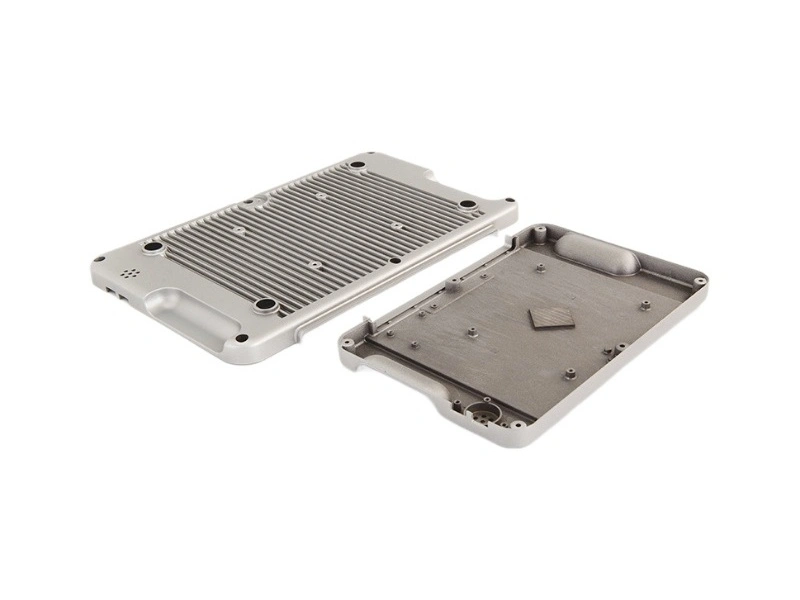
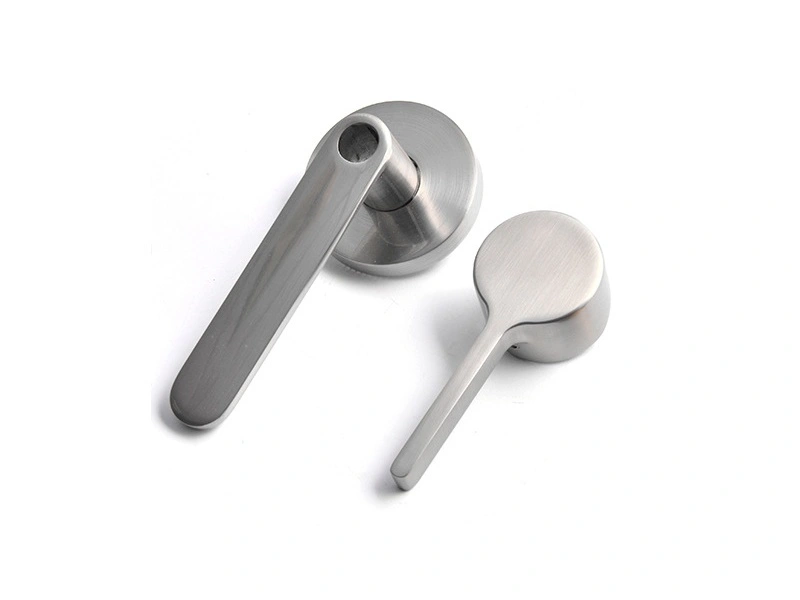
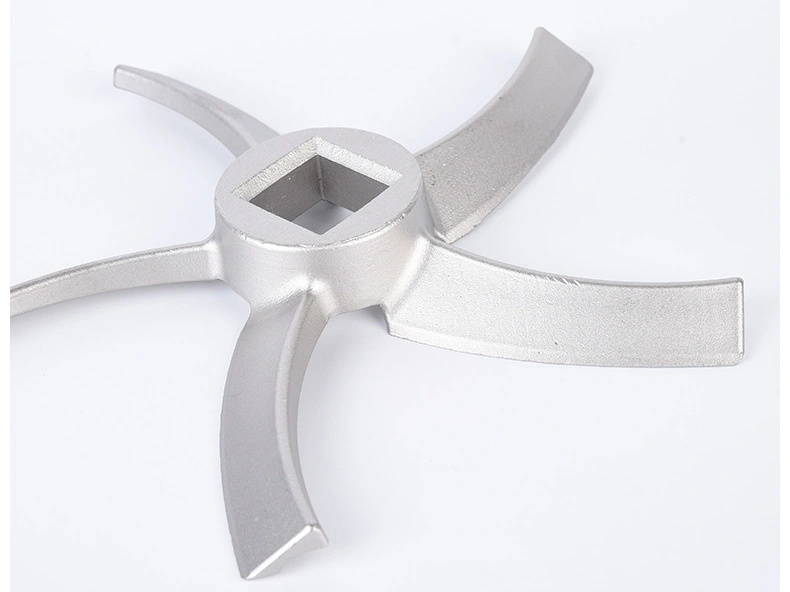
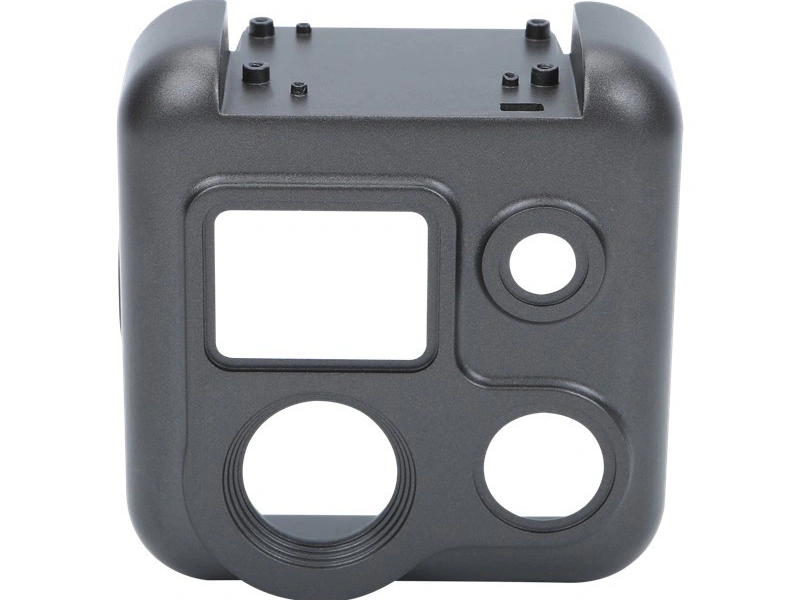
Buyers should confirm assembly function, mating parts, screw or pin requirements, material, surface finish, post-machining areas, tolerance stack-up, functional testing, packaging and annual volume before ordering zinc die cast assemblies. An assembly project should be evaluated as a finished product system, not only as separate zinc die cast parts.
1. Why Zinc Die Cast Assemblies Need More RFQ Information
When buyers order a single die cast part, a part drawing may be enough for early evaluation. But when the project requires screws, pins, springs, inserts, plastic parts, electronic parts or moving components, the supplier also needs assembly information. Without mating part details, the supplier cannot accurately evaluate fit, tolerance stack-up, post-machining, surface finish thickness or final testing.
If the goal is ready-to-use assemblies, buyers should submit assembly drawings, mating part samples, surface finish requirements, functional testing standards and packaging expectations during the RFQ stage.
Buyer Should Confirm | Why It Matters for Zinc Die Cast Assemblies |
|---|---|
Assembly function | Defines testing method, inspection standard and final performance requirement. |
Mating parts | Determines fit, tolerance stack-up, clearance and assembly method. |
Fasteners or pins | Affects hole position, thread depth, pin fit and post-machining needs. |
Surface finish | Affects appearance, coating thickness and final assembly clearance. |
Functional test | Confirms whether the assembled component works in final use. |
Packaging method | Protects ready-to-use components during handling and delivery. |
2. Which Technical Details Should Be Shared With the Supplier?
Buyers should provide 2D drawings, 3D models, assembly drawings, mating part dimensions, screw or pin specifications, annual volume, functional areas, surface treatment requirements and packaging standards. If parts need holes, threads, sealing faces, insert areas or hinge fits, buyers should identify which features need CNC machining or post-machining.
Surface treatment should also be confirmed early because coating thickness can change hole size, clearance, contact surfaces and snap-fit behavior. Neway can review post-processing requirements together with assembly fit.
3. Common Risks When Assembly Information Is Missing
If buyers only provide single part drawings, the supplier may quote the casting without understanding the final assembly. This can lead to missing machining operations, incorrect hole tolerances, coating interference, poor trial assembly results or insufficient packaging protection.
Missing Information | Possible Result | Better Control |
|---|---|---|
No assembly drawing | Supplier cannot evaluate mating clearance or tolerance stack-up. | Provide assembly layout and mating part details. |
No post-machining notes | Threads, pin holes or datum surfaces may not meet assembly needs. | Mark functional machining areas before tooling. |
No surface finish thickness review | Coating may reduce clearance and cause interference. | Review coating thickness before sample approval. |
No assembly test plan | Single parts may pass inspection but assembled parts may fail. | Define trial assembly and functional testing requirements. |
No packaging requirement | Finished assemblies may be scratched, damaged or mixed during transport. | Confirm protective packaging before production release. |
4. How Neway Supports Zinc Die Cast Assembly Projects
Neway can support assembly service for zinc die cast parts by coordinating zinc die casting, CNC machining, post-machining, surface finishing, assembly testing and packaging. For ready-to-use components, Neway can also support secure packaging for ready-to-use components.
Summary
Buyer Concern | Recommended Confirmation |
|---|---|
The project needs more than one zinc die cast part. | Provide assembly drawings, mating parts and final function requirements. |
The assembly uses screws, pins or inserts. | Confirm hole position, thread depth, pin fit and post-machining requirements. |
The assembly needs surface finishing. | Review coating thickness, visible surfaces and finished-part clearance. |
The buyer needs ready-to-use delivery. | Confirm functional testing, packaging method and annual volume before RFQ. |