What Supplier Workflow Helps Zinc Die Cast Parts Move From Sample to Mass Production?
What Supplier Workflow Helps Zinc Die Cast Parts Move From Sample to Mass Production?
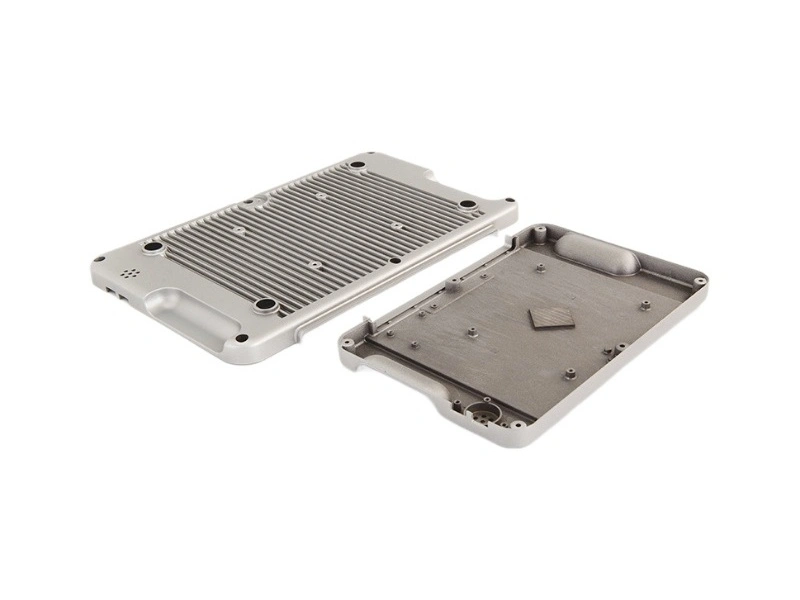
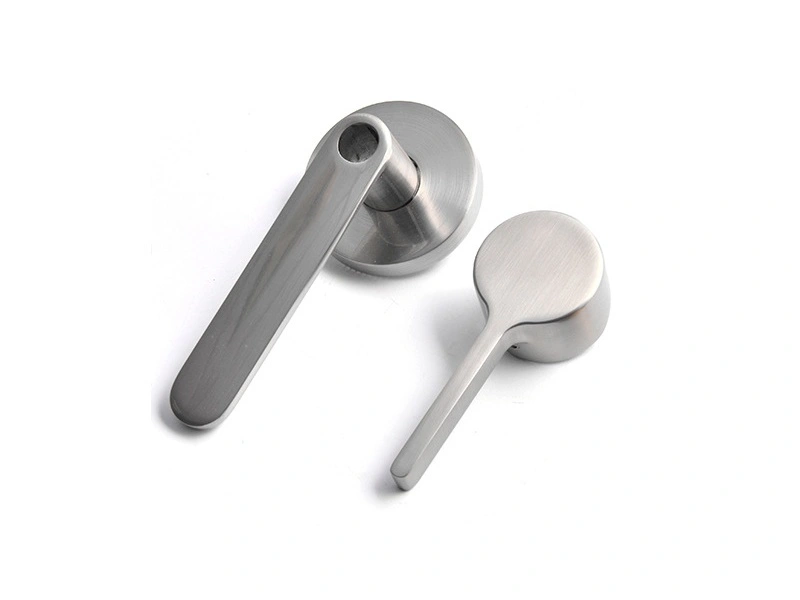
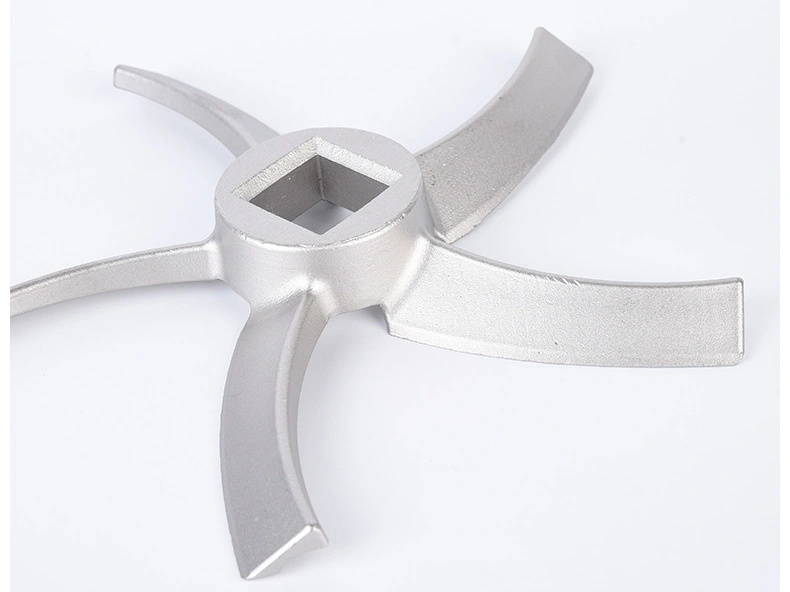
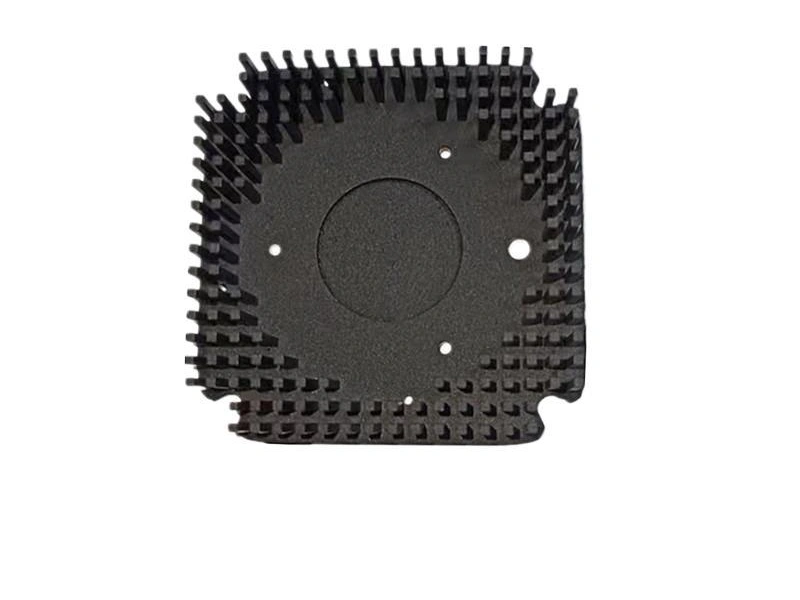
A reliable zinc die casting supplier should move zinc die cast parts from sample to mass production through DFM review, tooling design, trial casting, sample inspection, correction records, finish approval, assembly validation, pilot production, inspection checklist and controlled production release.
1. Why Sample-to-Production Workflow Matters
An approved sample proves that the part can be made once. It does not automatically prove that the supplier can repeat the same dimensions, appearance, finish, assembly performance and packaging quality in production. A professional supplier workflow turns sample approval into controlled mass production standards.
For zinc die cast parts with cosmetic surfaces, CNC post-machining, surface finishing, assembly requirements or long-term supply needs, this workflow is critical. Without it, the buyer may approve a sample but still face batch instability later.
Workflow Step | Supplier Action | Buyer Value |
|---|---|---|
DFM review | Check design, wall thickness, tolerance, finish and forming risks. | Reduces tooling rework and late design changes. |
Trial casting | Verify mold function, filling, appearance and process stability. | Confirms whether the sample is manufacturable. |
Sample inspection | Check dimensions, appearance, defects and functional features. | Creates the basis for approval. |
Finish approval | Confirm coating, color, plating, texture or cosmetic standard. | Controls batch appearance. |
Pilot run | Verify small-batch stability before full production. | Reduces mass production risk. |
Production release | Lock inspection, process and production standards. | Supports repeat orders and long-term supply. |
2. How DFM and Tooling Design Reduce Early Risk
DFM review helps identify design risks before mold manufacturing. It can reveal wall thickness issues, difficult parting lines, cosmetic surface conflicts, machining allowance problems or finishing risks. Neway can support engineering review before tooling to reduce unnecessary rework.
Tooling design then converts the reviewed part into a production-ready mold. Tooling decisions affect forming stability, ejector marks, gate marks, dimensional control and future mass production consistency.
3. How Trial Casting, Sample Inspection and Correction Records Work
Trial casting verifies whether the mold, process and part design can produce acceptable parts. Sample inspection should check dimensions, appearance, flash, burrs, shrinkage, surface finish compatibility and functional areas. If correction is needed, the supplier should record mold changes, process adjustments and inspection results.
These correction records are important because they prevent repeated problems. They also help production teams understand the final mold status before moving into pilot production or mass production.
Approval Item | What Should Be Confirmed | Why It Matters |
|---|---|---|
Sample dimensions | Critical tolerances, holes, threads and datum surfaces. | Protects functional fit and assembly performance. |
Sample appearance | Visible surfaces, parting lines, coating quality and cosmetic limits. | Prevents appearance disputes in production. |
Correction records | Tooling changes, process changes and inspection results. | Prevents repeated sample problems. |
Finish approval | Color, gloss, coating thickness, plating or decorative finish. | Creates a batch appearance standard. |
Assembly validation | Fit, movement, fastening, sealing or functional use. | Confirms final application performance. |
4. Why Pilot Production Should Come Before Full Mass Production
For complex or assembly-critical projects, moving directly from sample approval to full mass production can be risky. Prototype zinc die cast parts help confirm early feasibility, while low-volume zinc die casting trial production helps verify small-batch consistency before large orders.
After pilot validation, the supplier should create an inspection checklist, production parameters, packaging standard and release record. Neway can then support mass production zinc die casting supplier requirements with quality control for zinc die cast parts.
Summary
Buyer Concern | Recommended Supplier Workflow |
|---|---|
Design or tooling risk may appear late. | Start with DFM review and controlled tooling design. |
Samples may not match production. | Use sample inspection, correction records and approved standards. |
Surface finish may vary in batches. | Use finish approval and approved appearance samples. |
Mass production may be unstable. | Use pilot production, inspection checklists and controlled production release. |