How Aluminum Die Cast Prototypes Help Buyers Validate Parts Before Production
How Aluminum Die Cast Prototypes Help Buyers Validate Parts Before Production
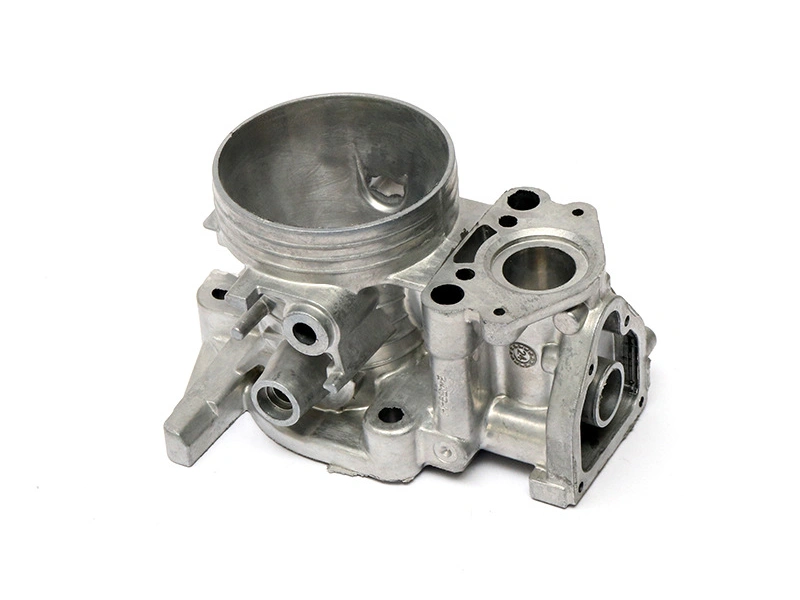
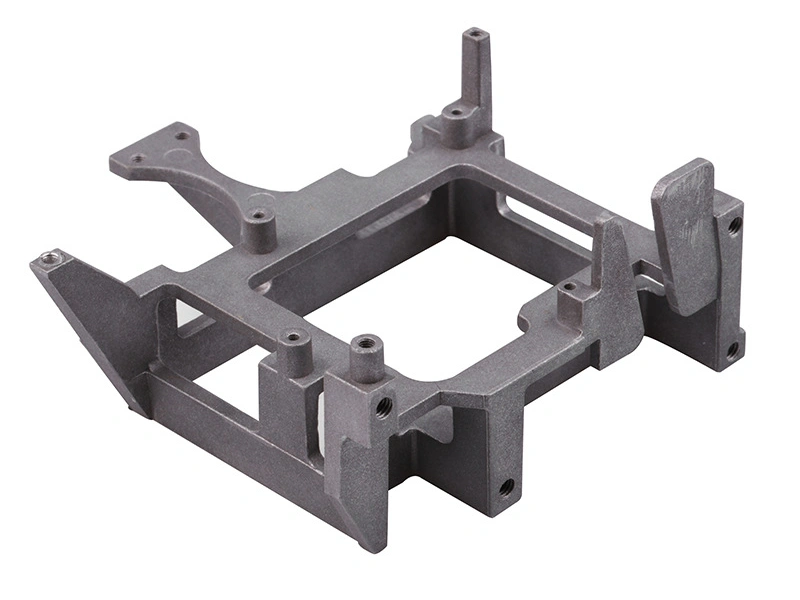
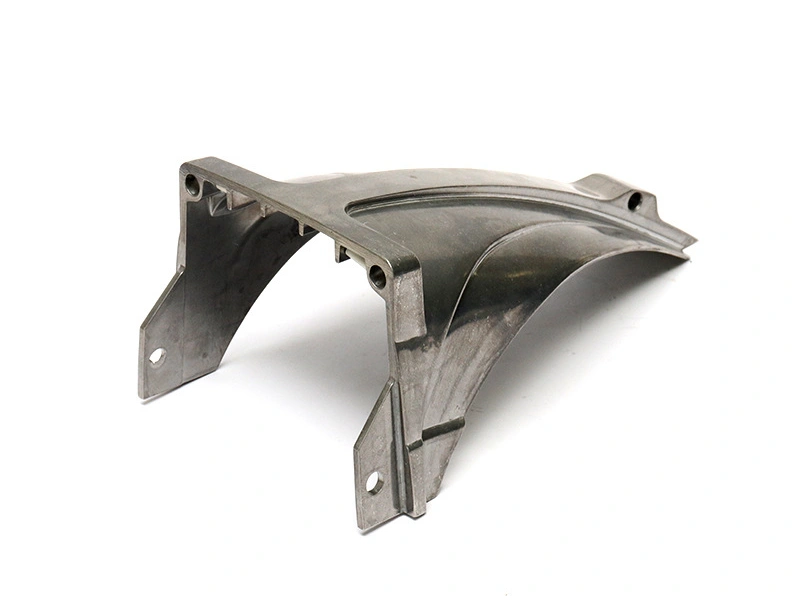
Aluminum die cast prototypes are not just samples for checking appearance. For buyers, engineers, product developers, and project managers, prototypes are a practical way to validate material, structure, dimensions, tolerances, assembly, surface treatment, CNC machining areas, and production risks before formal mass production begins.
Directly moving into production without prototype validation can create high risk. Wall thickness problems, rib design issues, hole position errors, assembly interference, poor surface treatment results, or unclear machining requirements may only appear after tooling and batch production have already started. At that stage, mold modification, rework, scrap, and delivery delays can become expensive.
With aluminum die cast prototypes, buyers can test whether the part design is suitable for aluminum die casting before committing to larger production. A good prototype process helps confirm manufacturability, reduce tooling changes, improve part performance, and prepare the project for stable production.
Why Aluminum Die Cast Prototypes Matter Before Mass Production
Aluminum die cast prototypes matter because mass production is not the right stage to discover basic design or manufacturing problems. Once tooling, fixtures, CNC machining programs, surface treatment standards, and inspection plans are already prepared, every change becomes more expensive.
Prototype validation allows buyers to check whether the part structure is reasonable before production. It can reveal wall thickness problems, rib layout risks, boss strength issues, hole position conflicts, assembly interference, and surface quality concerns. These problems are much easier to fix before final tooling and production planning.
Prototypes also help confirm whether the selected aluminum material, casting structure, post-machining plan, and surface treatment process can meet the final product requirements. For custom aluminum die cast parts, this early validation can reduce mold modification, batch rework, supplier disputes, and production launch delays.
Prototype Value | What It Helps Validate | Buyer Benefit |
|---|---|---|
Design validation | Wall thickness, ribs, bosses, holes, and mounting features | Reduces tooling modification risk |
Material validation | Strength, weight, thermal performance, and application suitability | Confirms whether the part can meet real use requirements |
Machining validation | Holes, threads, sealing faces, and assembly datums | Controls CNC machining cost and tolerance risk |
Surface validation | Polishing, coating, painting, texture, and visible appearance | Reduces cosmetic rejection before batch production |
Assembly validation | Fit, interference, tolerance stack-up, and installation quality | Reduces production failure and field assembly problems |
What Buyers Can Validate With Aluminum Die Cast Prototypes
Aluminum die cast prototypes help buyers test more than one feature. A good prototype review should include structure, critical dimensions, material choice, machining areas, surface treatment, and assembly performance. This gives buyers a clearer view of whether the part is ready for production.
For example, a prototype can show whether wall thickness is too thin, whether ribs may create shrinkage risk, whether mounting holes align correctly, whether sealing faces need machining, and whether surface treatment can meet the final appearance standard. This is especially important for automotive parts, electronic housings, lighting components, industrial equipment parts, and precision assembly components.
Validation Item | What to Check | Buyer Benefit |
|---|---|---|
Part structure | Wall thickness, ribs, bosses, mounting points | Reduce tooling modification risk |
Dimensions | Critical holes, assembly faces, datum areas | Improve fit and function |
Material choice | Strength, weight, thermal performance | Confirm application suitability |
CNC machining areas | Holes, threads, sealing faces | Control post-machining cost |
Surface treatment | Polishing, coating, painting, appearance | Confirm final product quality |
Assembly | Interference, tolerance stack-up, fit | Reduce production failure risk |
Prototype Methods Before Aluminum Die Casting Tooling
Different prototype methods are suitable for different validation goals. Buyers should not assume that one prototype method can answer every production question. Some prototypes are better for appearance review, some are better for assembly testing, and others are closer to production validation.
CNC machined aluminum prototypes can be useful for checking shape, assembly, and local precision before die casting tooling begins. 3D printed models may help with appearance or early fit review. Soft tooling or trial tooling can help evaluate casting-related risks. Small batch die casting validation can test process stability before a project moves toward production.
When buyers need precision prototype features, CNC machining for prototypes can help control holes, threads, datum faces, flatness areas, and sealing surfaces. When the project moves closer to production, prototype tooling for die casting becomes important because tooling quality affects part shape, casting stability, and production readiness.
Prototype Method | Best Used For | Limitation Buyers Should Know |
|---|---|---|
CNC machined aluminum prototypes | Shape, assembly, tolerance, and functional review | May not fully represent final die casting behavior |
3D printed models | Appearance, early fit, and design communication | Does not represent aluminum material or die casting performance |
Soft tooling or trial tooling | Early casting validation and sample approval | May not have the same life or efficiency as production tooling |
Small batch die casting validation | Process, surface, machining, and assembly testing | Cost depends on tooling, quantity, and inspection needs |
Pre-production samples | Final approval before mass production | Requires clear standards for material, surface, and dimensions |
When Should Buyers Use Aluminum Die Cast Prototypes?
Buyers should use aluminum die cast prototypes when the part is new, structurally complex, appearance-sensitive, or expected to move into production after validation. Prototypes are especially useful when the project has high tooling cost, strict assembly requirements, tight tolerances, or uncertain surface treatment performance.
New product development projects often need prototypes before final tooling because design details may still change. Automotive and industrial equipment parts may need strength, installation, and durability validation. Electronic housings and lighting parts may need surface finish, thermal performance, and assembly testing before production approval.
Buyers should also use prototypes when the project needs custom metal casting but the final manufacturing route has not been fully confirmed. Prototype testing helps determine whether aluminum die casting, CNC machining, tooling design, surface treatment, and assembly requirements can work together in a stable production process.
Buyer Situation | Why Prototypes Are Useful | Risk Reduced |
|---|---|---|
New product development | Design still needs physical validation | Wrong production decision before design is stable |
Complex aluminum part | Wall thickness, ribs, bosses, and holes need testing | Casting defects and tooling changes |
High appearance requirement | Surface treatment and cosmetic surfaces must be approved | Visible part rejection after production |
Tight assembly tolerance | Fit, datum surfaces, and tolerance stack-up need review | Assembly failure and rework |
High tooling investment | Prototype validation reduces the risk of expensive tooling mistakes | Mold modification and delayed production launch |
How Prototypes Reduce Tooling and Production Risk
Aluminum die cast prototypes reduce tooling and production risk by exposing problems before they become expensive. A prototype can reveal whether the wall thickness is practical, whether ribs create shrinkage risk, whether holes are positioned correctly, whether machining allowance is enough, and whether the part can be assembled without interference.
Prototype results can also guide tool and die making. If the prototype shows that gate location, wall thickness, parting line, draft angle, or post-machining area needs adjustment, the supplier can revise the plan before final tooling or production. This can reduce trial mold corrections and shorten production introduction time.
Prototypes also help buyers confirm the surface treatment standard. If the final product needs polishing, painting, coating, or a specific visible appearance, prototype samples can be used to confirm the surface standard before batch production. This reduces quality disputes and cosmetic rejection later.
Risk Area | How Prototypes Help | Production Benefit |
|---|---|---|
Design problems | Reveal wall thickness, rib, boss, and interference issues | Reduces design changes after tooling |
Tooling risk | Supports better gate, parting line, and mold structure decisions | Reduces mold correction rounds |
CNC machining uncertainty | Confirms holes, threads, sealing faces, and datum areas | Improves machining allowance and fixture planning |
Surface treatment risk | Tests polishing, painting, coating, and appearance standards | Reduces cosmetic rejection |
Production launch delay | Solves problems before batch production begins | Shortens mass production introduction cycle |
What Buyers Should Provide for Aluminum Die Cast Prototype Projects
Buyers should provide complete technical and commercial information before requesting an aluminum die cast prototype quote. A 3D model alone is usually not enough because prototype cost and production planning depend on material, tolerance, surface treatment, machining, tooling, and future volume.
Useful information includes 2D drawings, 3D models, material requirements, annual demand, target unit price, use environment, assembly requirements, surface treatment requirements, tolerance requirements, CNC machining needs, existing samples, reference parts, and whether the project is planned for later production.
When buyers clearly define these requirements, the supplier can evaluate whether the project should start with CNC machined prototypes, prototype tooling, aluminum die casting samples, or small batch validation. This also helps estimate tooling cost, machining cost, inspection needs, and production risk more accurately.
Buyer Information | Why It Is Needed | What It Helps Decide |
|---|---|---|
2D drawing | Shows tolerances, dimensions, notes, and critical features | Machining and inspection requirements |
3D model | Shows part geometry and manufacturability | Tooling and casting feasibility |
Material requirement | Defines strength, weight, thermal, or corrosion needs | Material and production method selection |
Annual demand | Shows whether the part may move into production | Prototype method and tooling strategy |
Target unit price | Helps balance prototype method and future production cost | Cost planning and process selection |
Use environment | Defines temperature, corrosion, wear, or outdoor exposure | Material and surface treatment choice |
Assembly requirement | Shows how the part fits with other components | Datum, tolerance, and interference review |
Surface treatment requirement | Defines appearance, coating, painting, or polishing needs | Surface preparation and inspection standards |
CNC machining requirement | Identifies holes, threads, sealing faces, and precision surfaces | Machining allowance and fixture planning |
Existing sample or reference part | Shows practical appearance and assembly expectations | Prototype comparison and final approval standard |
How to Choose a Supplier for Aluminum Die Cast Prototypes
Choosing a supplier for aluminum die cast prototypes should not be based only on the lowest sample price. Buyers should check whether the supplier has aluminum die casting experience, DFM analysis ability, tooling design capability, CNC machining support, surface treatment coordination, small batch validation, and production introduction experience.
A capable supplier should understand how prototype decisions affect future production. For example, the supplier should help decide whether a feature should be cast directly or machined later, whether the wall thickness is practical, whether the surface finish requirement is realistic, and whether the tooling plan can support later production.
Buyers should also confirm whether the supplier can coordinate metal casting service, aluminum die casting, machined aluminum prototypes, die casting tooling, and final part validation. A supplier that can support the project from prototype to tooling, die casting, CNC machining, and production will usually make the project transition smoother.
Supplier Capability | Why Buyers Should Check It | What It Helps Prevent |
|---|---|---|
Aluminum die casting experience | Prototype design must match future casting requirements | Poor transition from sample to production |
DFM analysis | Wall thickness, ribs, bosses, and holes need manufacturability review | Tooling changes and casting defects |
Tooling design ability | Prototype and production tooling affect cost and part consistency | Unstable samples and high mold correction cost |
CNC machining capability | Critical features may need machining before prototype approval | Assembly failure and tolerance problems |
Surface treatment coordination | Appearance and coating results should be checked early | Cosmetic rejection after production |
Small batch validation | Some projects need more than one prototype before scaling | Production risk from insufficient testing |
Production introduction support | Prototype approval should connect to stable production planning | Supplier change risk and delayed launch |
Neway supports aluminum die cast prototype projects that require aluminum die casting, custom metal casting, prototype tooling, CNC machining for prototypes, surface treatment planning, and production readiness review. For buyers sourcing custom aluminum die cast parts, early prototype validation can reduce tooling changes, improve assembly performance, and prepare the project for smoother production.
FAQ