
Wie sollten Qualitätsanforderungen für kundenspezifische Druckgussteile definiert werden?
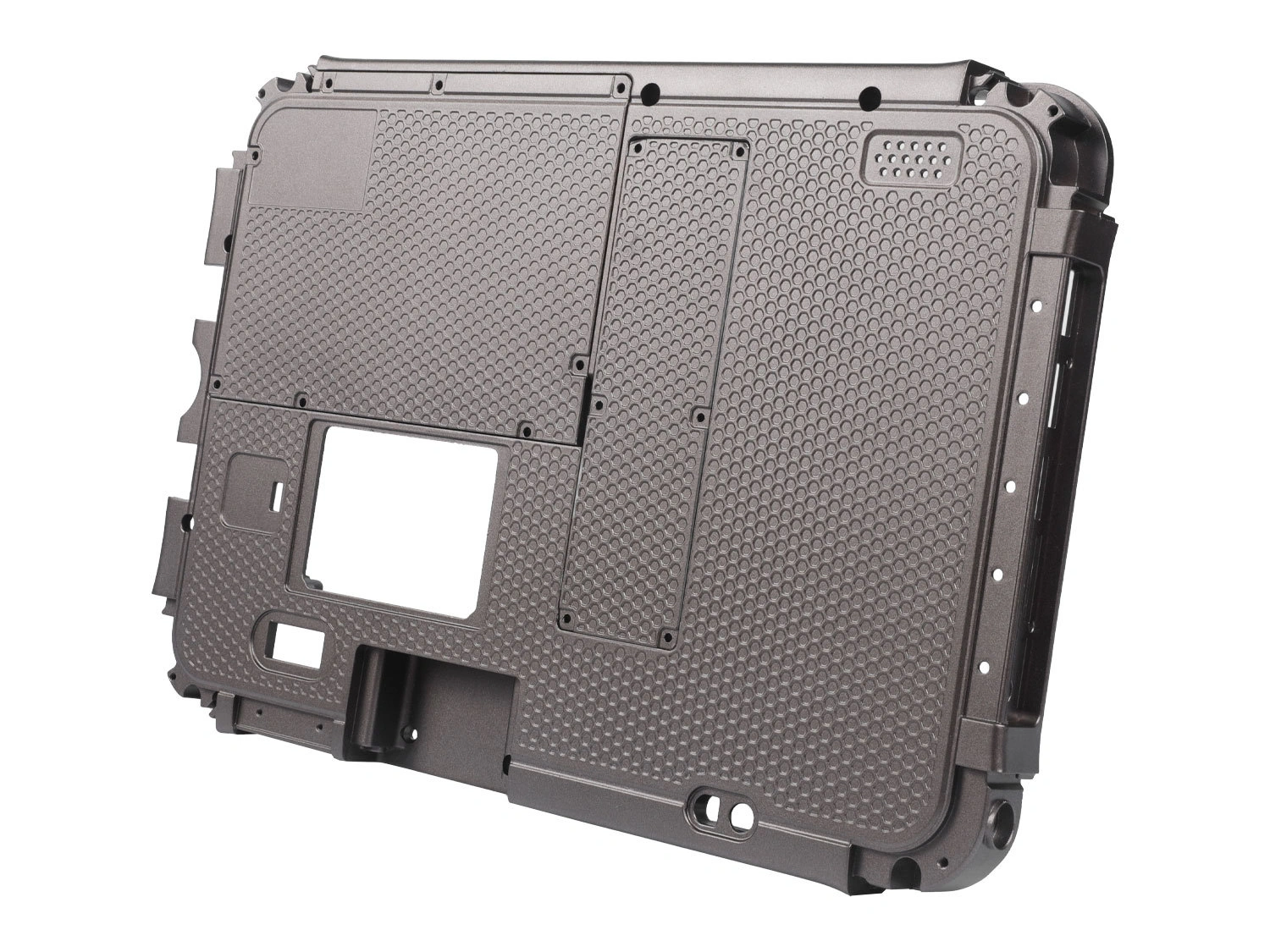
Wie sollten Qualitätsanforderungen für kundenspezifische Druckgussteile definiert werden?
Qualitätsanforderungen für kundenspezifische Druckgussteile sollten durch Materialstandards, kritische Abmessungen, kosmetische Oberflächen, interne Fehlergrenzen, Bearbeitungstoleranzen, Oberflächengüteanforderungen, Prüfmethoden, Funktionstests, Chargenaufzeichnungen und Verpackungsstandards definiert werden. Käufer sollten diese Anforderungen während der Werkzeug- und Musterphase festlegen, nicht nach Beginn der Serienproduktion.
1. Warum Qualitätsanforderungen spezifisch sein müssen
Die Forderung nach „guter Qualität“ reicht für die kundenspezifische Druckgussproduktion nicht aus. Der Lieferant muss wissen, welche Abmessungen kritisch sind, welche Oberflächen kosmetisch sind, ob innere Fehler geprüft werden müssen, welche bearbeiteten Merkmale eine enge Kontrolle erfordern und wie fertige Teile während des Versands geschützt werden müssen.
Klare Qualitätsanforderungen helfen Neway, den richtigen Prüfplan zu erstellen und Streitigkeiten bei Wiederholungsaufträgen und Serienproduktion zu reduzieren.
Qualitätsanforderung | Warum sie wichtig ist | Empfohlene Kontrolle |
|---|---|---|
Materialstandard | Stellt sicher, dass das Teil die richtige Legierung und Leistungsstufe verwendet. | Materialverifizierung und Chargenaufzeichnungen. |
Kritische Abmessungen | Schützt Montage, Passung und funktionale Zuverlässigkeit. | |
Innere Fehler | Schützt strukturelle Zuverlässigkeit oder Dichtleistung. | |
Oberflächengüte | Kontrolliert Aussehen, Beschichtung, Korrosionsschutz und kundenorientierte Qualität. | Sichtprüfungen, Beschichtungsprüfungen und genehmigte Muster. |
Bearbeitete Merkmale | Kontrolliert Gewinde, Bohrungen, Bezugsflächen und Passflächen. | Lehren, Vorrichtungsprüfungen und Maßprüfung. |
Funktionale Passung | Bestätigt, dass das Teil in der endgültigen Anwendung funktioniert. | Probeaufbau und Funktionstests. |
Chargenaufzeichnungen | Unterstützt Rückverfolgbarkeit und Wiederholungsauftragskontrolle. | Prüfberichte und Produktionschargenaufzeichnungen. |
2. Wie kritische Abmessungen und kosmetische Oberflächen definiert werden sollten
Kritische Abmessungen sollten von allgemeinen Abmessungen getrennt werden. Löcher, Gewinde, Dichtflächen, Bezugsflächen, Montageflächen und Schnittstellen können eine strengere Kontrolle erfordern als gewöhnliche Rohgussflächen. Diese Abmessungen sollten auf Zeichnungen deutlich gekennzeichnet sein.
Kosmetische Oberflächen sollten ebenfalls vor der Werkzeugkonstruktion definiert werden. Wenn sichtbare Flächen nicht gekennzeichnet sind, können Trennlinien, Auswerfermarken, Angussmarken oder Oberflächenfehler auf kundenorientierten Bereichen erscheinen. Die Anforderungen an die Oberflächengüte sollten den Endbearbeitungstyp, die Farbe, die Textur, die Beschichtungsdicke und akzeptable visuelle Grenzen umfassen.
3. Wann CMM-, Röntgen- und Funktionstests erforderlich sind
CMM-Prüfung ist nützlich, wenn das Teil wichtige Bezugsmerkmale, Lochpositionen, Passflächen oder enge Montagemaße aufweist. Röntgenprüfung kann erforderlich sein, wenn innere Porosität, Schrumpfung oder versteckte Fehler die Festigkeit, Dichtheit oder Sicherheit beeinträchtigen könnten. Funktionstests sind erforderlich, wenn das Teil in einem Endprodukt montiert, bewegt, abgedichtet, befestigt oder betrieben werden muss.
Neway kann die Qualitätskontrolle für die Druckgussproduktion unterstützen, sodass Musterstandards in die Wiederholungsproduktion übernommen werden können.
Qualitätsrisiko | Mögliches Ergebnis | Empfohlene Kontrolle |
|---|---|---|
Nur allgemeine Qualitätsanforderung gestellt | Lieferant weiß möglicherweise nicht, welche Merkmale streng kontrolliert werden müssen. | Material, Abmessungen, Fehler, Oberfläche und Prüfungen klar definieren. |
Kritische und allgemeine Abmessungen nicht getrennt | Prüfkosten können steigen oder Schlüsselmerkmale übersehen werden. | Funktionsmaße und Bezugsmerkmale auf Zeichnungen markieren. |
Kein Aussehensstandard vorhanden | Kosmetische Streitigkeiten können nach der Endbearbeitung auftreten. | Genehmigte Muster und Sichtprüfstandards verwenden. |
Grenzen für innere Fehler unklar | Struktur- oder Dichtrisiko kann unentdeckt bleiben. | Definieren, wann Röntgenprüfung oder Fehlergrenzen erforderlich sind. |
Kein Verpackungsstandard definiert | Fertigteile können während des Transports beschädigt werden. | Schutzverpackung für Fertigteile bestätigen. |
4. Wie Oberflächengüte und Verpackungsqualität verwaltet werden sollten
Die Oberflächenveredelungsqualität für Druckgussteile sollte den optischen Standard, die Beschichtungsdicke, Haftung, Farbe, Textur, Korrosionsschutz und Maßprüfungen der fertigen Teile umfassen. Wenn die Oberflächengüte die Montage beeinflusst, sollten die Endabmessungen nach der Beschichtung geprüft werden.
Die Verpackung sollte kosmetische Oberflächen, bearbeitete Merkmale und montierte Komponenten schützen. Schlechte Verpackung kann fertige Teile beschädigen, selbst wenn sie die Prüfung bestanden haben.
Zusammenfassung
Anliegen des Käufers | Empfohlene Qualitätsdefinition |
|---|---|
Wie sollten Qualitätsanforderungen formuliert werden? | Material, kritische Abmessungen, kosmetische Oberflächen, innere Fehler, Bearbeitungstoleranzen und Prüfmethoden definieren. |
Wann ist CMM-Prüfung sinnvoll? | Wenn Bezugsmerkmale, Lochpositionen, Passflächen oder enge Toleranzen die Montage beeinflussen. |
Wann ist Röntgenprüfung sinnvoll? | Wenn innere Fehler Festigkeit, Dichtheit oder Zuverlässigkeit beeinträchtigen können. |
Wann sollten Qualitätsstandards bestätigt werden? | Vor der Werkzeugkonstruktion und Musterfreigabe, damit die Serienproduktion dem gleichen Standard folgen kann. |
