
Lograr calidad superficial premium en componentes de fundición a presión con acabado CNC
Introducción
En aplicaciones de alto rendimiento, la calidad superficial de los componentes de fundición a presión ya no es solo una cuestión estética; está directamente relacionada con la fiabilidad funcional, el rendimiento de sellado, el comportamiento acústico, la resistencia al desgaste y el valor percibido del producto. Si bien los servicios modernos de fundición de precisión de metales pueden ofrecer superficies fundidas excelentes, las aplicaciones premium suelen requerir una combinación de fundición controlada, postprocesado ingenieril y acabado CNC de alta precisión para alcanzar las especificaciones finales.
En Neway, tratamos el acabado CNC como una extensión crítica del proceso de fundición a presión, no como un paso aislado. Al integrar el diseño de herramientas, la selección de aleaciones, los parámetros de fundición y las rutas de mecanizado estructuradas, ayudamos a los clientes a lograr una calidad superficial alta y consistente en fundiciones de aluminio, zinc y cobre, desde carcasas de grado de consumo hasta estructuras industriales y automotrices.
Por qué importa la calidad superficial en los componentes de fundición a presión
La calidad superficial afecta directamente tanto a la apariencia como al rendimiento de las piezas fundidas a presión. Para componentes visibles en electrónica de consumo, herramientas eléctricas o interiores automotrices, los defectos superficiales se traducen en una percepción de menor calidad, incluso cuando la geometría subyacente es correcta. Para superficies funcionales como caras de sellado, asientos de rodamientos e interfaces de deslizamiento, la rugosidad y la ondulación pueden provocar ruido, fugas, desgaste acelerado o un comportamiento de par inestable.
Las aplicaciones basadas en fundición a presión de aluminio de alta presión a menudo combinan estructuras ligeras con objetivos estrictos de planitud y acabado superficial. Los componentes de zinc utilizados para herrajes decorativos intrincados y mecanismos exigen una textura base estable para el plateado o recubrimiento. Las aleaciones de cobre y latón aplicadas en sistemas térmicos y eléctricos requieren superficies controladas para una resistencia de contacto y transferencia de calor estables.
Partiendo de una base de fundición estable
La calidad superficial premium comienza con un proceso de fundición controlado. Defectos como empalmes en frío, llenados incompletos, porosidad excesiva o canales de entrada mal ubicados crean condiciones que ningún paso de mecanizado o pulido puede ocultar completamente. Por eso nuestros ingenieros trabajan estrechamente con los clientes durante la fase de diseño inicial a través de un diseño ingenieril dedicado para fundiciones a presión.
Evaluamos el espesor de pared, la disposición de nervaduras, los ángulos de desmoldeo y el diseño de rebosaderos para garantizar que la geometría inicial respalde tanto la integridad de la fundición como el acabado posterior. Para diferentes familias de aleaciones, como nuestro portafolio de aleaciones para fundición a presión de aluminio, opciones de aleaciones para fundición a presión de zinc y aleaciones de cobre y latón para fundición, ajustamos las estrategias de alimentación y enfriamiento para minimizar las marcas de hundimiento, la porosidad superficial y la segregación que comprometerían el acabado cosmético o funcional.
El papel del acabado CNC en la calidad superficial
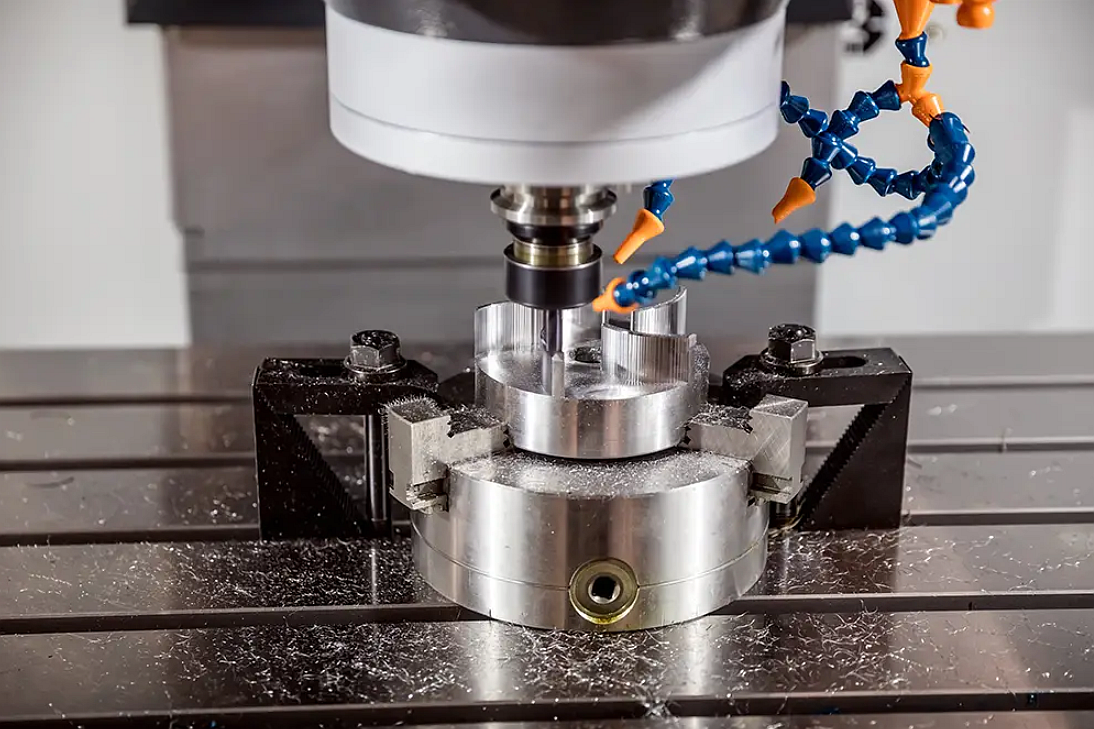
El acabado CNC cierra la brecha restante entre las superficies fundidas y los objetivos de diseño final. Los servicios de mecanizado CNC de alta precisión nos permiten controlar no solo las dimensiones y tolerancias, sino también la rugosidad, la orientación de la textura y la planitud local en regiones críticas.
Las tareas típicas de acabado CNC para superficies premium incluyen:
Planificación de caras de sellado y bridas de montaje
Acabado de mandrinado de asientos de rodamientos y orificios de precisión
Perfilado de contornos funcionales y pistas de deslizamiento
Fresado fino de superficies visibles con trayectorias de herramienta definidas
Chaflanado y redondeo de bordes por razones ergonómicas y de seguridad
Para proyectos exigentes, el acabado CNC a menudo se combina con operaciones de post-mecanizado de fundiciones a presión como taladrado, roscado, escariado y contorneado fino, formando una ruta integrada única que estabiliza tanto la geometría como la condición superficial en un flujo de trabajo controlado.
Estrategias de acabado CNC para diferentes aleaciones
Cada sistema de aleación se comporta de manera diferente bajo mecanizado, lo que significa que los parámetros de corte, la selección de herramientas y la estrategia deben adaptarse al material específico.
Para fundiciones de aluminio, especialmente aquellas utilizadas en proyectos similares al diseño de referencia del marco GPU A380, priorizamos la evacuación estable de virutas y el control térmico para evitar la formación de filo acumulado y micro-desgarros en las superficies. Pasadas de acabado fino con velocidades y avances optimizados, combinados con recubrimientos de herramienta adecuados, permiten lograr valores de Ra bajos y reflectividad consistente.
Los componentes de zinc, a menudo producidos mediante fundición a presión de zinc de precisión con tolerancias estrechas, son más indulgentes en términos de fuerzas de corte, pero requieren un control cuidadoso para evitar el embarratamiento o la contaminación superficial que podrían afectar el plateado o recubrimiento. Utilizamos herramientas afiladas, velocidades de corte moderadas y pasos de avance finos para generar texturas limpias y uniformes adecuadas para acabados decorativos.
Las fundiciones de cobre y latón, producidas mediante fundición a presión de cobre de alta conductividad, exigen estrategias que equilibren la generación de calor, el desgaste de la herramienta y la nitidez del filo. Para superficies de contacto en sistemas eléctricos o térmicos, se seleccionan rangos de rugosidad específicos para optimizar el área de contacto real sin crear fricción o fretting excesivos.
Integración del acabado CNC con los pasos de postproceso
Para lograr superficies verdaderamente premium, el acabado CNC debe coordinarse con todos los demás pasos de postproceso. En Neway, agrupamos estas operaciones dentro de un postproceso integrado y unificado para fundiciones a presión, que puede incluir desbarbado, limpieza, acondicionamiento superficial y tratamientos protectores.
Los pasos de acabado en masa, como el servicio de vibrado y el chorreado de arena controlado para fundiciones a presión, ayudan a eliminar rebabas residuales, homogeneizar texturas y preparar grandes áreas para el recubrimiento. Mientras tanto, el acabado CNC se centra en zonas críticas donde las tolerancias o la rugosidad local deben controlarse estrictamente.
Para componentes recubiertos, coordinamos las operaciones CNC con:
acabados de pintura líquida para requisitos complejos de color y brillo
línea de recubrimiento en polvo duradero para una robusta resistencia a la corrosión
tratamiento de anodizado de aluminio para estabilidad de color y desgaste
tecnología de anodizado por arco de plasma para capas protectoras avanzadas
Al secuenciar cuidadosamente el acabado CNC y los recubrimientos, protegemos las superficies funcionales, prevenimos la acumulación en los bordes y aseguramos que se cumplan tanto los requisitos visuales como los dimensionales.
Diseñando para superficies premium acabadas con CNC
Lograr la calidad superficial deseada de manera económica solo es posible cuando el componente se diseña teniendo en cuenta el mecanizado. Durante revisiones conjuntas respaldadas por nuestro soporte de prototipado de fundición a presión, evaluamos los modelos para la accesibilidad de herramientas, la viabilidad de sujeción y las áreas de acabado innecesarias.
Las pautas clave de diseño incluyen:
Concentrar las superficies premium en regiones accesibles para evitar estrategias complejas de múltiples ejes donde no sean necesarias
Definir rangos de rugosidad realistas, enfocándose en acabados ultra suaves solo donde impacten la función o el valor percibido
Adaptar la disposición de nervaduras y refuerzos para mantener la rigidez durante el mecanizado y prevenir marcas de vibración
Proporcionar suficiente margen de mecanizado para eliminar la piel de fundición mientras se minimizan los desechos
En el desarrollo temprano, a menudo combinamos servicios de prototipado rápido con acabado CNC limitado para validar no solo la forma y el ajuste, sino también el impacto visual y táctil de los grados de superficie antes de comprometer las herramientas finales.
Validación del proceso e inspección superficial
La calidad superficial premium requiere un control medible y repetible. Las rutas de acabado de Neway se validan y monitorean con una combinación de métricas dimensionales y relacionadas con la superficie utilizando nuestro equipo de inspección de fundición a presión.
La validación típica incluye:
Medir Ra, Rz y ondulación en ubicaciones críticas a través de múltiples muestras
Verificar la planitud y el paralelismo después de la planificación CNC
Realizar pruebas de adhesión de recubrimiento y de cuadrícula para superficies acabadas
Ejecutar pruebas funcionales para sellado, par o rendimiento de deslizamiento
Inspeccionar zonas cosméticas bajo condiciones de iluminación controlada
Una vez que el proceso de acabado se congela, mantenemos la estabilidad mediante monitoreo SPC, seguimiento de la vida útil de las herramientas y recalificación periódica. Para programas complejos, también establecemos muestras de referencia para alinear la aceptación visual entre Neway y el cliente.
Escalado desde prototipo hasta producción en masa
Las expectativas de calidad superficial no cambian cuando un proyecto pasa de prototipo a producción en serie; de hecho, la consistencia se vuelve aún más crítica. Apoyamos esta transición a través de soluciones de fabricación de bajo volumen que cierran la brecha entre las primeras construcciones de ingeniería y la puesta en marcha final.
Durante esta fase, refinamos las trayectorias de herramientas CNC, optimizamos los ciclos y validamos los conceptos de sujeción. Una vez que los volúmenes aumentan, las mismas estrategias de acabado se transfieren a programas de fundición a presión de producción en masa, asegurando que se preserven los estándares visuales y funcionales definidos en la fase inicial.
Los clientes que necesitan una ruta completamente consolidada, desde la fundición hasta los conjuntos acabados, se benefician de nuestro servicio de fabricación integral, que integra el acabado CNC con el recubrimiento, el subensamblaje y el embalaje final.
Ejemplos de aplicación para superficies premium acabadas con CNC
El acabado CNC premium se aplica ampliamente en todas las industrias:
Marcos GPU y chasis electrónicos similares a los proyectos de marco GPU de Gigabyte, donde la planitud y rigidez son críticas para los módulos térmicos
Carcasas de consumo y comunicaciones como las colaboraciones de carcasas de aluminio de Huawei requieren un control cosmético y dimensional estricto
Estructuras de herramientas eléctricas inspiradas en los proyectos de carcasas de herramientas eléctricas Bosch, donde la sensación táctil, la robustez y las interfaces de precisión deben equilibrarse
En cada caso, las rutas de acabado CNC se personalizan para cumplir con una combinación específica de requisitos mecánicos, térmicos, eléctricos y estéticos.
Conclusión
Lograr calidad superficial premium en componentes de fundición a presión es el resultado de un sistema de ingeniería completo, no de un solo paso de pulido. Partiendo de un diseño de fundición robusto y selección de aleación, pasando por desbarbado y acondicionamiento bien secuenciados, y finalmente a través de un acabado CNC meticulosamente controlado, Neway entrega superficies que respaldan tanto una apariencia de alta gama como una fiabilidad funcional a largo plazo.
Al combinar experiencia en fundición a presión, procesos de acabado avanzados e inspección rigurosa, ayudamos a los clientes a transformar fundiciones en bruto en componentes premium que se alinean con las expectativas de mercado más exigentes, ya sea en electrónica de consumo, plataformas automotrices, sistemas industriales o aplicaciones tecnológicas emergentes.
Preguntas frecuentes
¿Qué niveles de rugosidad superficial puede lograr Neway típicamente en componentes de fundición a presión acabados con CNC?
¿Cómo deciden qué áreas de una pieza fundida a presión requieren acabado CNC versus solo acabado en masa?
¿Se puede combinar el acabado CNC con recubrimiento en polvo o anodizado sin comprometer la precisión dimensional?
¿Qué tan temprano deben considerarse los requisitos de acabado CNC durante el diseño de piezas de fundición a presión?
¿Qué métodos de inspección utilizan para verificar la calidad superficial premium en piezas de producción?
