Private-Label Metal Coin Bank: Zamak Casting and PVD
For private label metal gifts, a coin bank program stands or falls on two things: the seam stays closed and the color still matches the approved master a season later. A gift brand arrives with artwork, a retail window, and a first round of zinc die casting samples. What decides the reorder is duller: a code per color, a four-field batch record, and a short list of orders the plant declines.
Color and Reorder Rhythm
Every color family gets a code before the first sample ships. Five color families cover most gift lines: gold, champagne, rose, black, and gunmetal. The code, not the color name, is what the brand releases against, because "champagne" from two buyers means two different samples. The approved master is a physical part, signed and dated, and it stays with the coater between seasons.
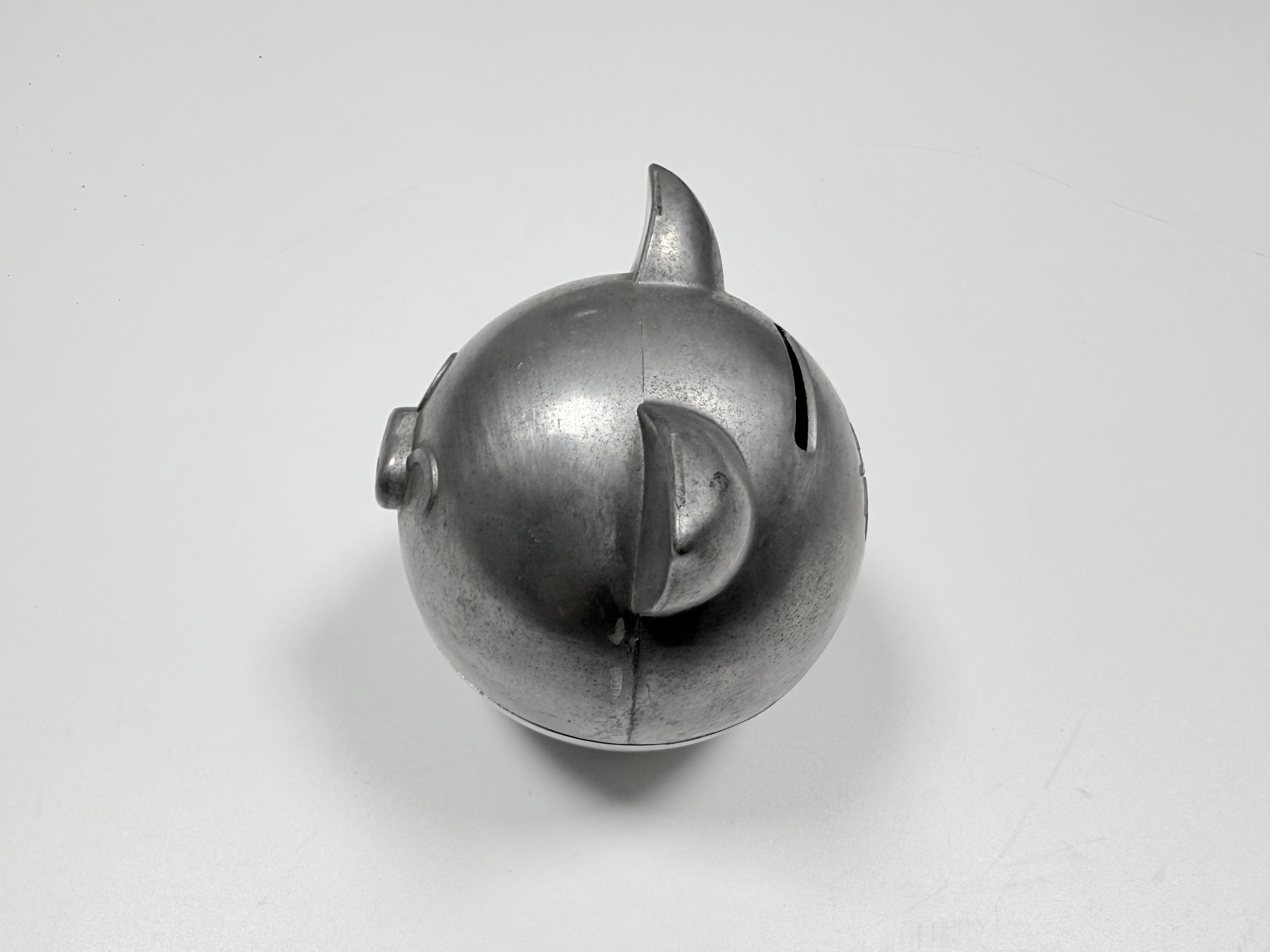
Reorders follow the season, not the calendar month, so a brand that releases twice a year gets a first-off checked against the master before either batch runs. First-off is one part from the rack, coated with the production load and compared in the booth. A 0.5–3 µm film is thin enough that a booth drift shows on the surface instead of hiding in the coating. If the first-off drifts, the run stops there.
The Rack-Edge Color Incident
Parts at the edge of the rack sit closer to the target, so they take more deposition and read lighter than parts in the middle. The shift is small enough to pass a shop-floor look and large enough to fail a booth check. One batch can hold both readings, and the brand sees it as a two-tone shipment.
Two controls came out of that batch. Rack positions rotate between runs, so no part sits at the edge twice in a row, and dummy parts fill the outer positions. Masking on the mating faces keeps the film off the seam, which is why the racked shells in the photo carry tape before PVD coating starts.
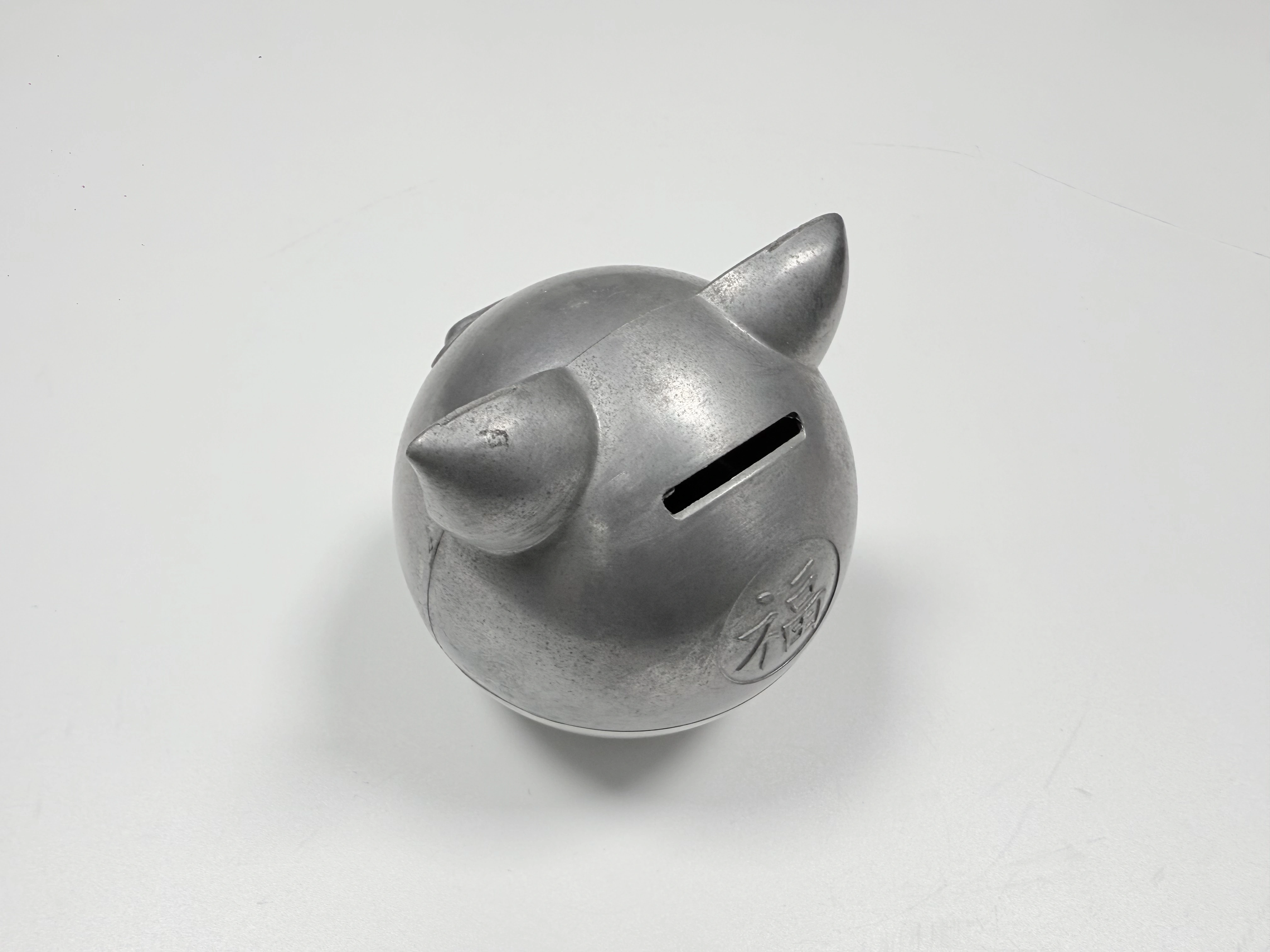
Every color change batch keeps a D65 color check record. The sheet names the master code, the booth, the reading, and the initials of whoever signed it off. Brand contacts ask for that page more often than for a certificate, because it names the batch that drifted.
Batch Records in Four Fields
A batch record that nobody else can read is not a record. Four fields carry the whole program, each with a named owner and one signature. The seam reading uses a 0.05 mm gauge, and that gap is tens of times the 0.5–3 µm film, which is why masking rather than coating protects the joint.
Field | Entry | Unit or code | Signed by |
|---|---|---|---|
Batch | Casting lot plus coating run | lot number | Production planner |
Color code | Master code from the approved set | code | Brand contact |
D65 check | Pass or hold against the master | pass or hold | Booth operator |
Seam | 0.05 mm gauge reading at the split line | mm | Assembly lead |
Coating acceptance sits beside those records: adhesion to ASTM D3359 at 4B–5B, and neutral salt spray to ASTM B117 for 48 h. Zamak 5 to ASTM B86 is the substrate those limits were set on. Both tests are recorded as pass or fail, with the batch number written beside the result.
What the Program Does Not Take
Three orders get declined, and the reason is the same each time: the record would not survive a season. A color released from a photo or a screen has no master to check against, so nothing can be signed at first-off. A reorder that skips first-off compares the new batch to the last batch, which lets a small drift walk through two seasons unnoticed.
The third is one color split across two coating runs, where neither run gets its own booth check. Splitting is not the problem; splitting without a check is. Declining that order means losing it, and that is the trade.
How a Reorder Runs
A reorder starts with the brand releasing against the stored master code, not against a photo of last season's stock. The casting lot is logged when shells leave the die, and that number follows the parts through the zinc die casting sequence into polishing and CNC work on the mating face. Nothing gets coated until the seam holds 0.05 mm and the rack plan names the color.
Coating runs by color, so a five-color order becomes five runs, each with its own D65 check and its own line on the record. Review happens at first-off and again at packing, when parts are compared to the master in the booth rather than under warehouse lights.
Handover
A new program receives four things: the signed master set, the code list, the record template, and the name of the person who stops a run. Escalation is one step, not a chain. A drift found in the booth goes to the line lead and to the brand contact the same day, and the batch holds until both agree.
Indoor retail and gift use is the scope; outdoor exposure is not covered by the finish on this part. The color range and wear behavior of decorative coatings are set out in the knowledge hub. A closer look at a Zamak part with a PVD coating shows what the booth checks look like in practice.
FAQ