Private-Label Steel Castings: Test Bars and Finish Calls
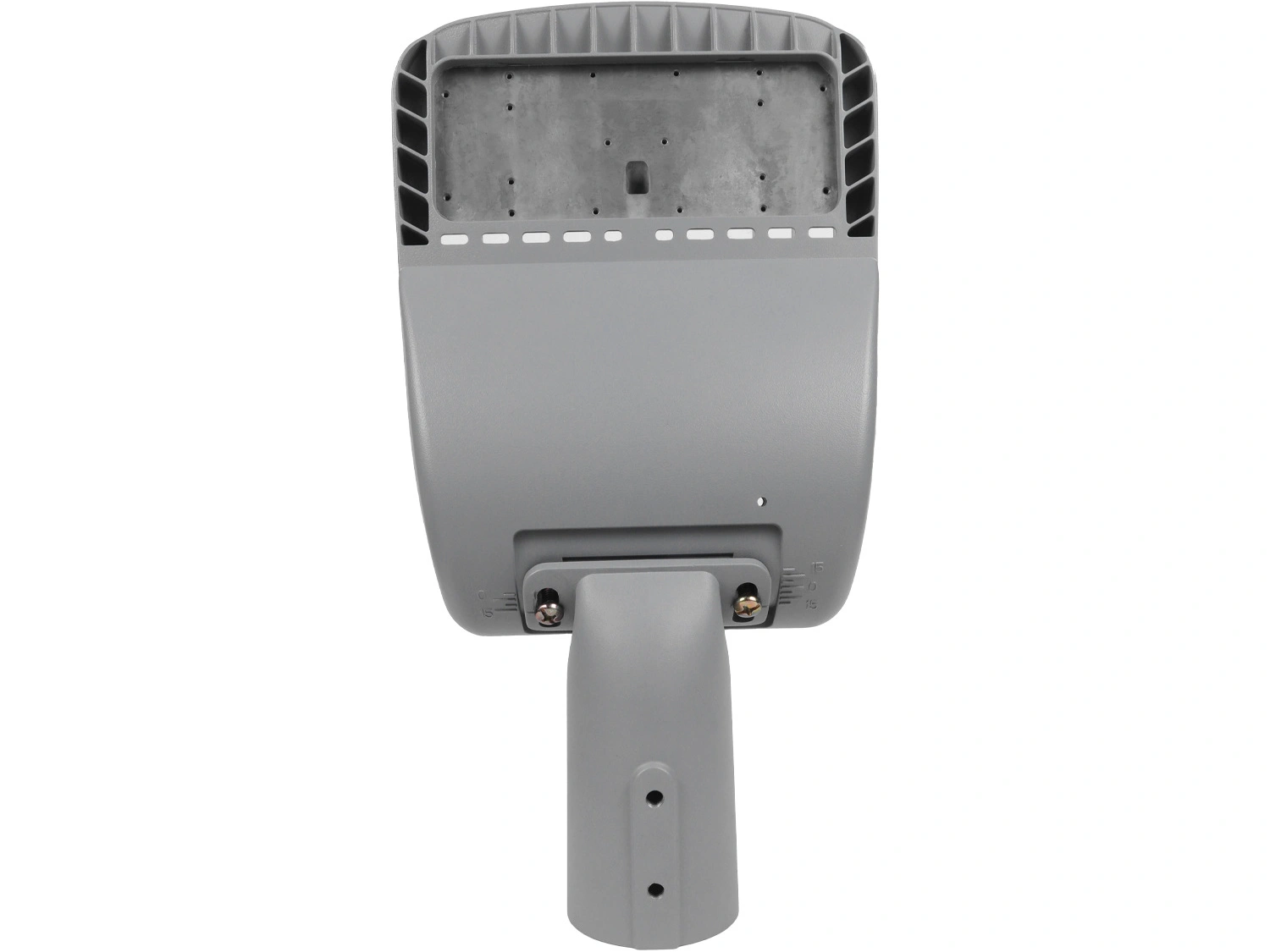
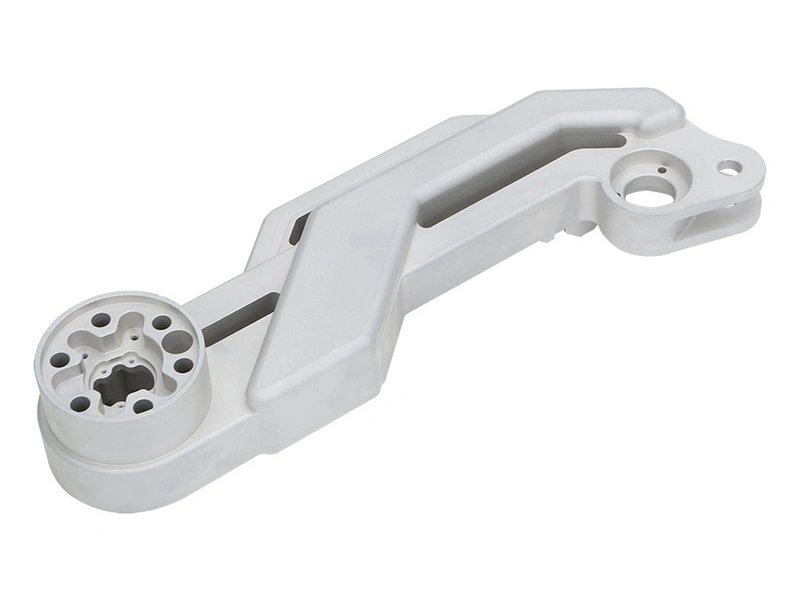
For private label steel castings, a repeat order stands on four records: a cast-on test bar pulled to ASTM A370, hardness on the 25–30 mm section, the machined mounting face, and the blast grade. Metal casting sets the shape. The records decide whether the second batch can be compared with the first. A missing field is the usual reason a reorder starts over.
What a Repeat Order Actually Repeats
A reorder arrives as a drawing revision and a release date. What leaves the shop is the same four-field record, filled for the new batch and signed at each stage. The part number repeats; the evidence is rebuilt, because a heat, a quench load, and a blast run are new.
The first batch sets the baseline: bar result, hardness range, CMM report, and Sa comparator reading. The next batch is read against it. One change moves an order out of repeat status: a drawing revision that touches the mounting face, the finish callout, or the 25–30 mm section. That order gets a first-off, and the four fields are re-baselined.
Test-Bar and Hardness Records in Four Fields
A cast-on bar, poured with the bracket in 45 steel to GB/T 699-2015 and treated in the same load, reports yield to ASTM A370 against a 355 MPa target. Hardness at the thick section reports that section within HB 220–250. A CMM or surface plate reports hole pitch ±0.2 mm and flatness 0.1 mm, the tighter of the two. A comparator reports Sa 2.5 to ISO 8501-1.
Each field covers a failure the others miss. A bar can pass while the 25–30 mm section comes in soft. Hardness cannot prove yield. A CMM cannot see a shrink cavity under the cut, and a blast reading says nothing about hole pitch. The gap between bar and body keeps both on the record.
Record | Evidence | Unit | Owner |
|---|---|---|---|
Test bar | Yield from the cast-on bar | MPa | Heat treatment |
Body hardness | Reading at the thick section | HB | Heat treatment |
Machined geometry | Hole pitch and face flatness | mm | Machining |
Blast and finish | Sa 2.5 on a comparator, plus the finish word | grade | Finishing |
The fields work only when filled per batch. A record copied from the previous lot carries the old heat and the old readings, and a bar number dates it. The mechanical property testing behind the fields is standard; the batch it describes is not.
Surface Callout on the PO, Not in Email
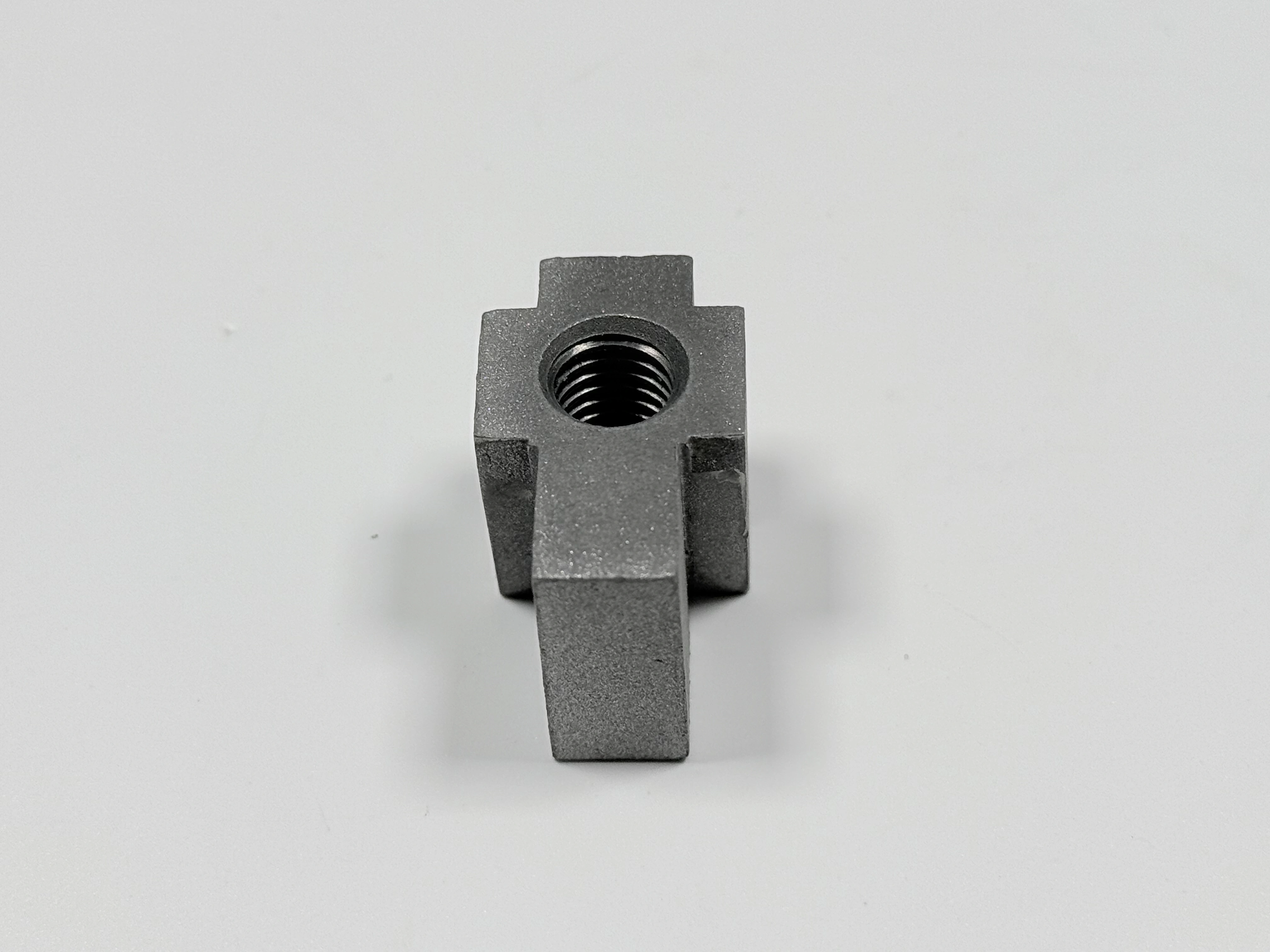
The process sheet lists passivation, and the same sheet says passivation waits for the customer drawing: carbon steel normally goes to phosphating or black oxide. The drawing decides between them.
An email thread is not an acceptance criterion. The PO line and the drawing callout are what the finishing station reads. Write passivation, phosphating, or black oxide, with the standard the coating is judged to. Leave the word out and the last step has nothing to run to.
A verbal "same as last time" survives one station and dies at the next. The first batch carries the memory; the second cell has the paperwork, and paperwork with no finish word is a hold.
The Drawing Question That Stops a Batch
One question goes out with every new drawing: passivation, phosphating, or black oxide? The batch holds at the finishing step until the answer comes back in writing. Asked then, it costs a day; asked after coating, it costs the batch, because a wrong finish is a reject at goods-in.
The same discipline covers the blast. Sa 2.5 is a cleanliness grade to ISO 8501-1, and a comparator is the acceptance tool. A drawing that gives a roughness value instead asks for a different check, and the callout needs rewriting before the first part is blasted.
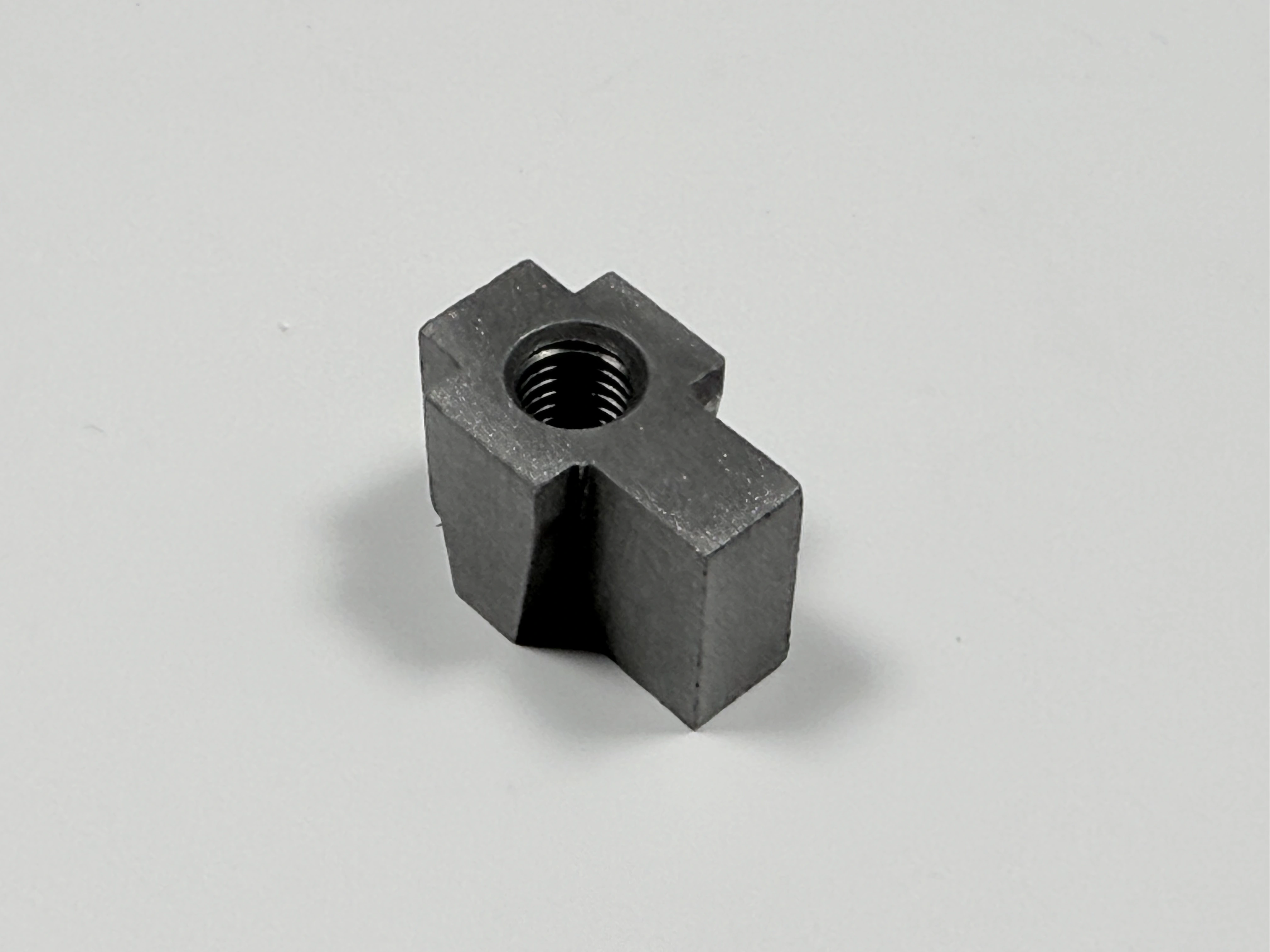
Asked before the pattern is cut, the answer can still change the drawing. Asked after the first batch, it changes what has to be re-made.
What This Program Does Not Take
Three orders get declined. The first has no fixed finish callout, so the last step has no acceptance word. The second asks for the test bar to be waived and the body accepted on hardness alone. The third compares quotations on unit price, with the record fields left out.
Each refusal costs an order and saves a season. A finish word settled after coating, a bar waived before the first pull, and a quote sheet with no record column end in one place: a batch that cannot be compared with the one before it.
Size and sector do not enter the decision. A complete drawing and a named standard get a first-off; a missing word gets the question first.
Reorder Rhythm, Pattern Life, Handover
Reorders follow the customer's release cycle. The pattern is checked before the pour is scheduled: sand molds, wood or aluminum patterns, 2–4 parts per flask. Pattern life is counted in sand-mold cycles, and the count is still to be confirmed with the foundry, so a pattern of unknown state is a hold point.
Handover for a new private-label program carries four items: the pattern file and its revision, the four-field record template, the drawing revision the last batch ran to, and the name of the person who stops a run.
A program that hands over the pattern without the record template starts its second batch from memory. The machining of castings after the blast and the metal casting supply case show records moving with the work.
FAQ
What Must an Auto Diecasting Supplier Record Before Repeat Orders?
Do you offer quality inspection reports and material certifications for each batch?
How Should a Sandblasted Appearance Master Be Used for Repeat Orders?
How Should Buyers Plan Surface Finishing and Machined Features for Die Casting Parts?