How Can Buyers Verify Tooling, Finishing and Inspection Capacity Before Supplier Approval?
How Can Buyers Verify Tooling, Finishing and Inspection Capacity Before Supplier Approval?
Buyers can verify tooling, finishing and inspection capacity before supplier approval by reviewing the supplier's DFM process, mold design capability, finishing options, CNC support, inspection equipment, sample approval process, quality records and production handover method.
1. Why Sample Approval Is Not the Same as Supplier Approval
A supplier may produce one acceptable sample but still lack stable tooling control, finishing management or batch inspection capacity. Sample approval confirms that one part can be made. Supplier approval should confirm whether the supplier can repeat the same standard through tooling maintenance, finishing control, inspection records and mass production handover.
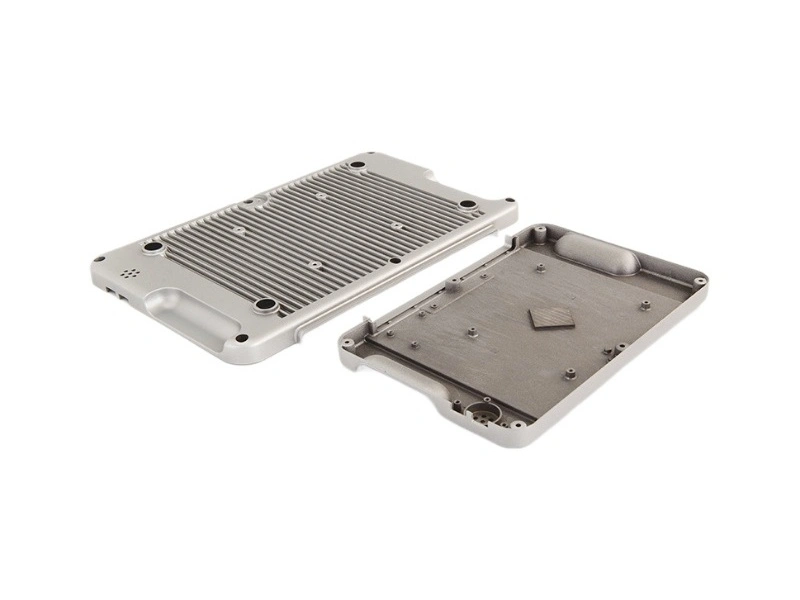
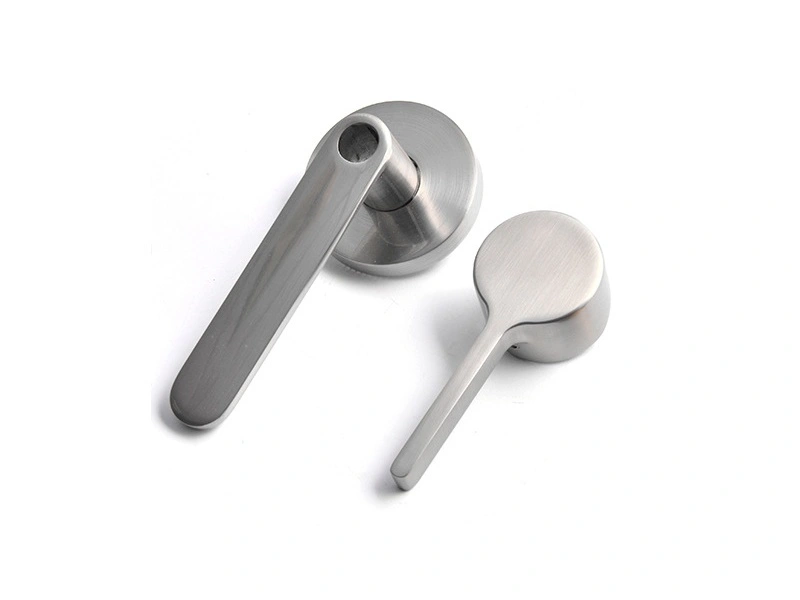
This is especially important for zinc die casting projects that involve cosmetic surfaces, post-machined features, assembly requirements or long-term repeat orders.
Capacity Area | Buyer Verification Method | Why It Matters |
|---|---|---|
Tooling | Ask for DFM review, mold planning and maintenance method. | Controls forming stability, parting lines, gates and ejector marks. |
CNC | Confirm which features can be machined after casting. | Controls functional dimensions and assembly fit. |
Finishing | Review finish options, masking, coating control and appearance standards. | Controls surface quality, protection and cosmetic value. |
Inspection | Confirm equipment, gauges, CMM capability and quality records. | Controls key dimensions and batch consistency. |
Handover | Review the sample-to-production process. | Prevents approved samples from becoming disconnected from mass production. |
2. How to Verify Tooling Capacity
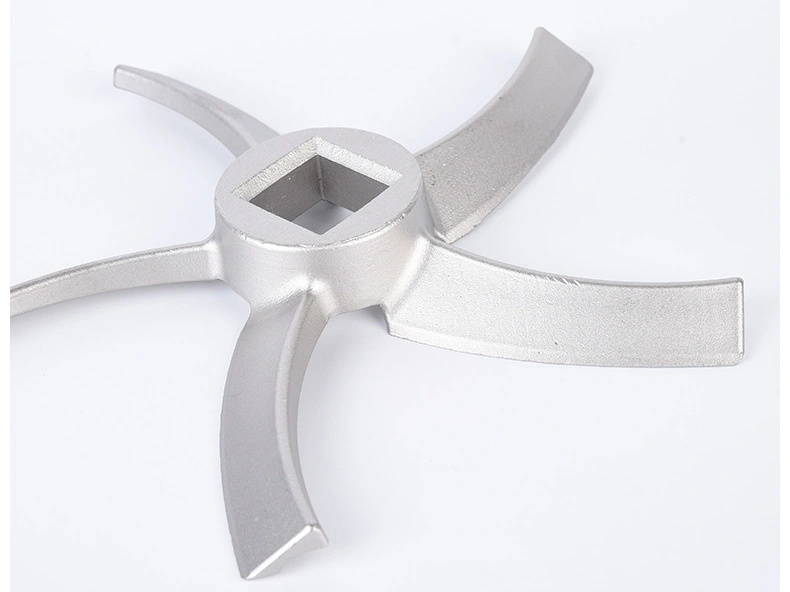
Tooling capacity can be verified by asking how the supplier handles DFM review, mold design, parting line planning, ejector and gate layout, mold correction and mold maintenance. A strong supplier should not only build a tool. It should explain how the tool supports forming stability, appearance control and repeat production.
Neway can support tooling capacity for zinc die casting, helping buyers connect mold design with zinc part function, cosmetic surfaces and long-term production requirements.
3. How to Verify Finishing and Post-Processing Capacity
Finishing capacity should be verified when zinc die cast parts require painting, powder coating, decorative coating, polishing or other post-processing. Buyers should ask whether the supplier can control base casting quality, coating thickness, adhesion, color consistency, visible surfaces and masking areas.
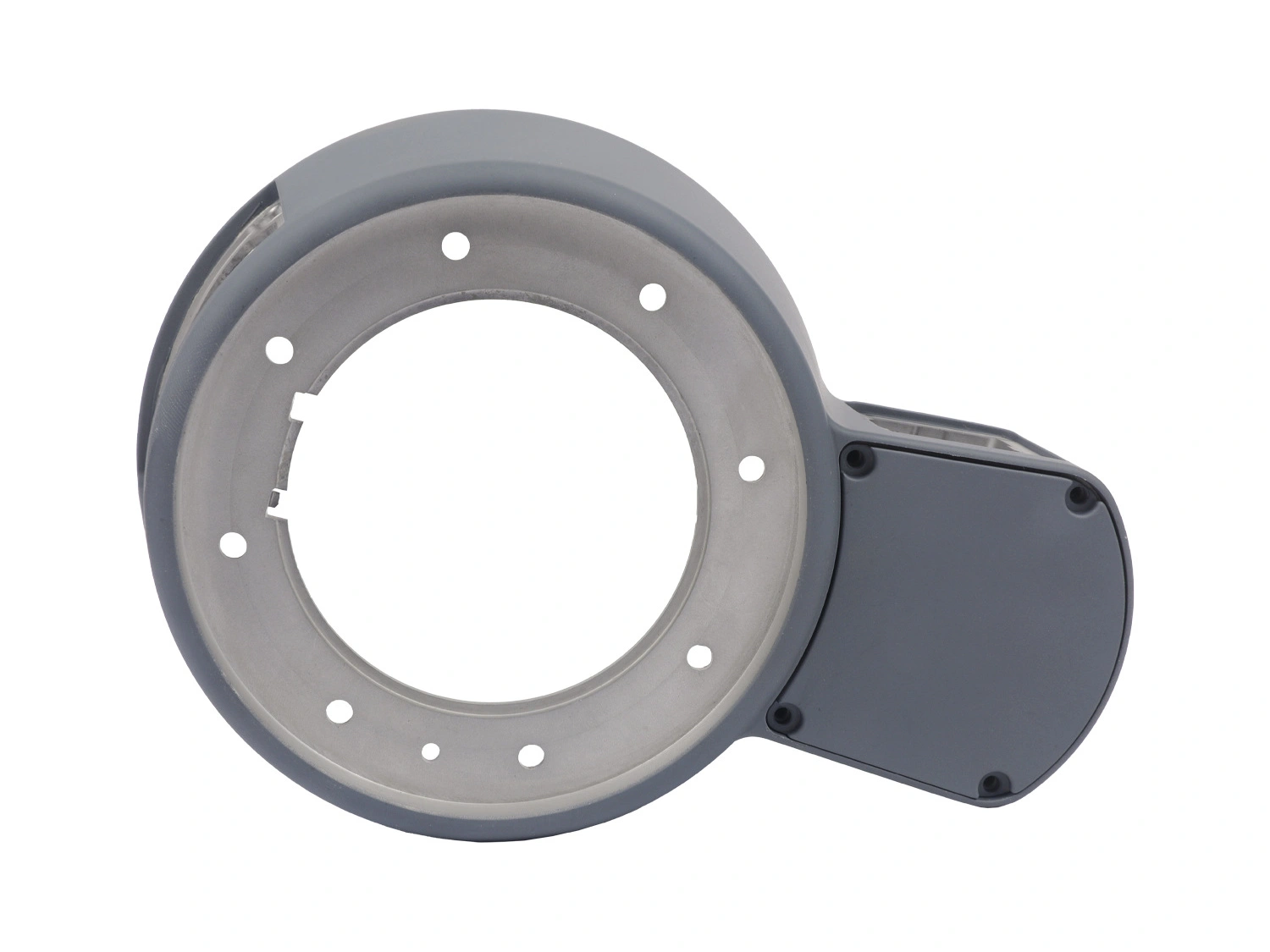
Neway can support post processing for zinc die cast components and CNC machining for zinc die cast parts in the same project workflow, helping reduce responsibility gaps between casting, machining and finishing.
Verification Question | Strong Answer | Risk if Missing |
|---|---|---|
Can the supplier review cosmetic surfaces before tooling? | Yes, with parting line, gate and ejector planning. | Tooling marks may appear on visible surfaces. |
Can the supplier machine critical features? | Yes, with datum planning and inspection. | Assembly dimensions may be unstable. |
Can the supplier control finishing quality? | Yes, with finish standards and coating inspection. | Color, thickness or adhesion problems may appear. |
Can the supplier transfer sample standards into production? | Yes, with approved samples, checklists and records. | Mass production may differ from approved samples. |
4. How to Verify Inspection and Quality Control Capacity
Inspection capacity should include more than visual checking. Buyers should confirm whether the supplier can use CMM inspection, thread gauges, coating inspection, visual standards and batch records. CMM inspection for zinc die casting is useful for critical dimensions, datum features and assembly-related tolerances.
For long-term production, buyers should also check whether the supplier has quality control for mass production consistency. This helps reduce the risk that a good sample becomes unstable in repeat orders.
Summary
Buyer Concern | Supplier Approval Focus |
|---|---|
The supplier can make samples, but mass production is uncertain. | Check production handover, tooling maintenance and inspection records. |
The part has cosmetic requirements. | Check finishing control, visible surface planning and coating inspection. |
The part has functional dimensions. | Check CNC machining, CMM inspection and gauge control. |
The project needs long-term supply. | Approve the supplier based on full workflow capability, not sample success only. |