How Can Zinc Die Casting Components Be Validated Before Long-Term Production?
How Can Zinc Die Casting Components Be Validated Before Long-Term Production?
Zinc die casting components should be validated before long-term production through sample inspection, functional testing, surface finishing approval, assembly trials, inspection checklists, golden samples, packaging confirmation and pilot production. A qualified casting sample alone is not enough for stable repeat orders.
1. Why Sample Approval Is Not Enough for Long-Term Production
A sample may show that the zinc die casting process can produce the basic geometry, but long-term production requires more than one approved casting. Buyers must confirm whether the component can meet dimensional, cosmetic, functional, assembly and packaging requirements repeatedly across future batches.
This is especially important for zinc die casting components that require surface finishing, moving fit, connector alignment, lock function, visible appearance or assembly-ready delivery.
Validation Step | What to Confirm | Why It Matters |
|---|---|---|
Sample inspection | Dimensions, appearance, flash, burrs and basic defects. | Confirms basic manufacturing feasibility. |
Functional test | Assembly, movement, fastening, sealing or final use. | Confirms real application performance. |
Finish approval | Color, plating, coating, texture and cosmetic surface. | Controls appearance consistency. |
Pilot run | Small-batch dimensional and process stability. | Reduces mass production risk. |
Packaging check | Scratch protection, separation and transport safety. | Protects visible finished components. |
2. What Should Be Checked During Sample Inspection?
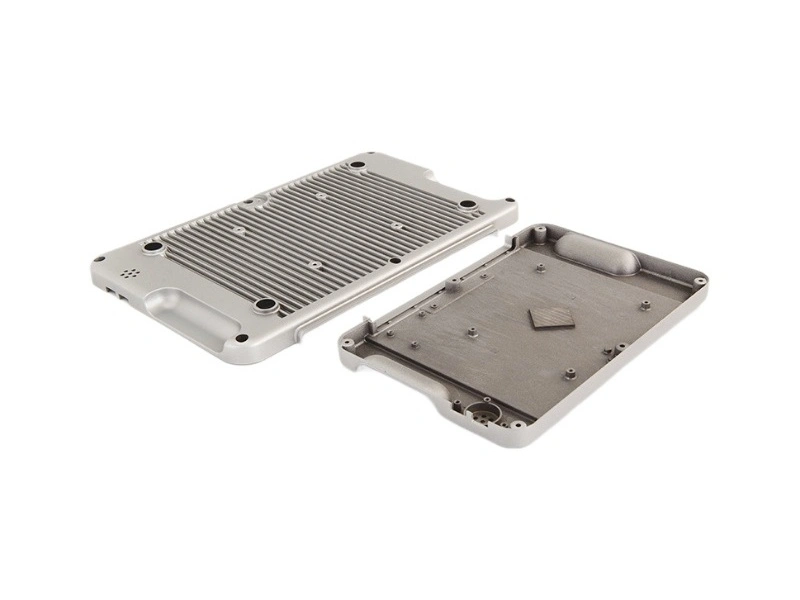
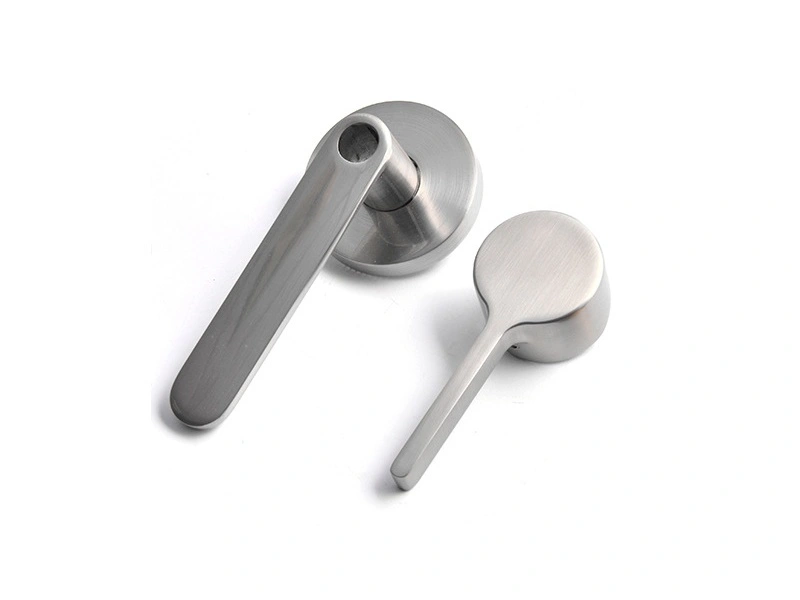
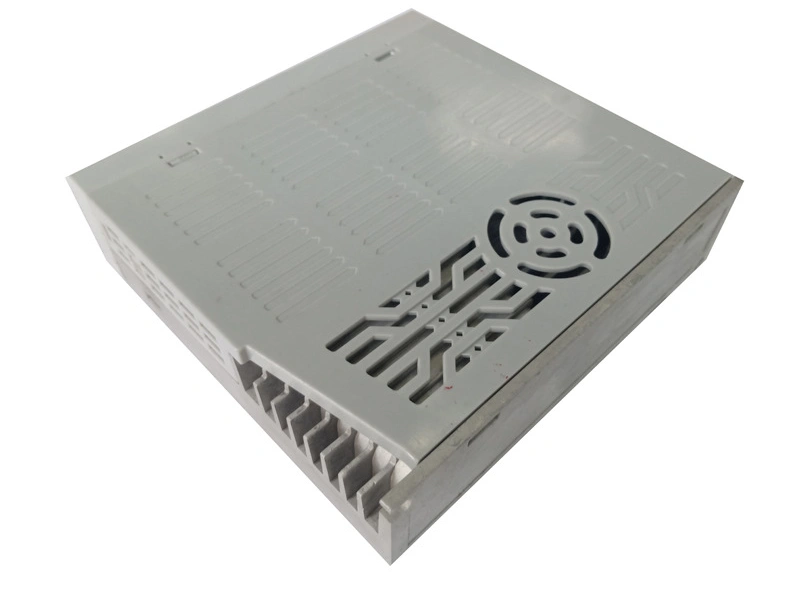
Sample inspection should check dimensions, surface quality, flash, burrs, shrinkage, deformation, hole position, thread quality, cosmetic surfaces and any features that affect assembly. If the component will be finished, buyers should not approve only the raw casting. They should also approve the finished surface condition.
For early-stage projects, prototype zinc die casting components can help buyers evaluate geometry and function before entering larger production commitments.
3. How Functional Testing and Trial Assembly Reduce Risk
Functional testing confirms whether the component works in the final application. This may include assembly fit, hinge movement, connector insertion, screw fastening, lock movement, sealing performance, wear areas or repeated-use behavior. Trial assembly can reveal problems that single-part inspection may miss.
If buyers want to reduce risk before mass production, low-volume zinc die cast components can be used for pilot validation. This helps confirm process stability, finishing consistency and assembly performance before large-volume orders.
4. How Golden Samples and Inspection Checklists Support Repeat Orders
A golden sample provides a physical reference for appearance, fit and finishing quality. However, it should be supported by an inspection checklist that defines critical dimensions, functional features, cosmetic limits, finish requirements, assembly checks and packaging standards.
For long-term production, Neway can support mass production for zinc die casting components through quality control, batch inspection and process records.
Control Tool | Purpose | Long-Term Benefit |
|---|---|---|
Golden sample | Defines approved appearance and general fit. | Reduces disputes in repeat orders. |
Inspection checklist | Defines what must be checked in each batch. | Improves consistency and traceability. |
Pilot production | Tests small-batch stability before mass production. | Reduces large-scale rework risk. |
Version control | Tracks drawing, tooling, machining and finishing changes. | Prevents repeat orders from using outdated standards. |
Packaging confirmation | Protects surfaces during shipping. | Reduces scratches, collision damage and customer complaints. |
5. How Neway Supports Validation Before Long-Term Supply
Neway can connect zinc die casting, CNC post-machining, surface finishing, inspection, assembly and packaging to help buyers move from sample confirmation to stable long-term supply. This integrated approach reduces the risk that a component passes casting inspection but fails after finishing, assembly or shipment.
For finished components, Neway can also support secure packaging for zinc die cast components, helping protect cosmetic surfaces and ready-to-use parts during delivery.
Summary
Buyer Concern | Recommended Validation Step |
|---|---|
Sample looks acceptable, but final use is unknown. | Run functional testing and trial assembly. |
Finished appearance must remain consistent. | Approve finished samples and define cosmetic standards. |
Mass production may vary from samples. | Use pilot production, inspection checklists and batch control. |
Finished parts may be damaged in shipping. | Confirm packaging protection before long-term supply. |