What Is Zamak Die Casting and When Should Buyers Use It?
Zamak die casting is the pressure casting of specified zinc-aluminum alloys, usually in a hot-chamber machine, to make repeat parts with integrated detail and controlled assembly features. Buyers should use it for compact hardware, housings and mechanisms when near-net-shape geometry, visible finish and repeat demand justify dedicated tooling. They should compare another material or process when low weight, elevated-temperature loading, very low demand or a simple machinable shape dominates.
What the process actually delivers
In hot-chamber zinc die casting, the injection system draws molten alloy from the holding pot and drives it into a hardened steel die. Gates carry the metal into the cavity, vents and overflows help remove air and cold metal, and ejectors release the solidified part. Trimming then removes the runner and flash. Machining, polishing, plating, painting or assembly may follow.
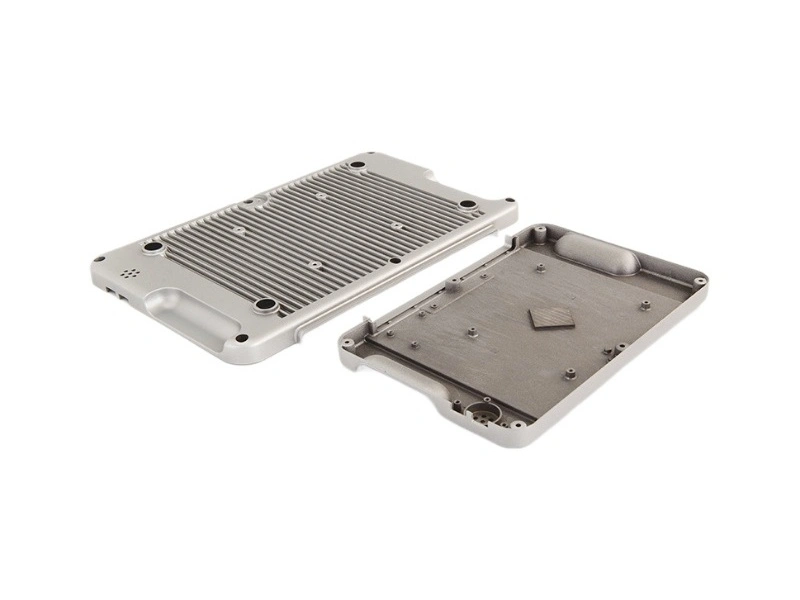
The useful result is feature consolidation. Ribs, bosses, lettering, mounting pads, decorative contours and some holes can share the same casting. That can replace a fabricated assembly or reduce machining. It does not mean every feature should be cast. A cross hole may require a slide; a tight bearing bore may need machining; a sealing face may need both machining and leak validation.
When Zamak is a good fit
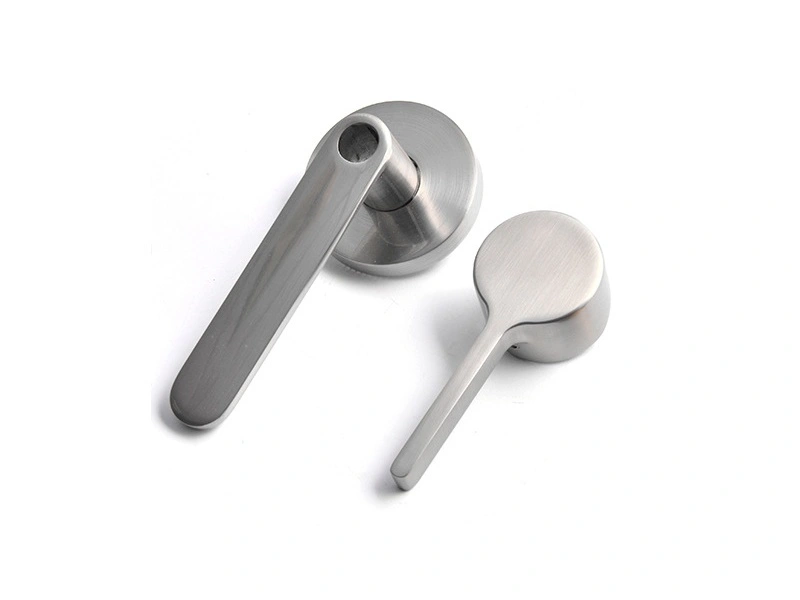
Zamak deserves serious consideration when the component is compact, geometrically busy and produced repeatedly. Typical candidates include lock or latch bodies, handles, small covers, connector shells, furniture hardware and consumer-facing fittings. These examples share a manufacturing condition, not just a product label: several features must maintain their relationship while the outer surface remains suitable for an agreed finish.
Fine detail alone is insufficient. The part must have a viable parting direction, practical draft, supported ejector locations and a fill path that does not force metal through an extreme thin-to-thick transition. The supplier should show these conditions in DFM before quoting the design as production-ready. The process sequence in this Zamak die casting overview is useful background, but the buyer still needs a part-specific review.
Requirement | Use Zamak when | Check before approval |
|---|---|---|
Integrated geometry | The die can form multiple useful details without fragile steel or excessive slides | Parting line, gate, overflow, ejectors, draft and slide concept |
Appearance | The casting and finish routes can meet defined cosmetic zones | Limit sample, substrate defects, rack marks, color and test method |
Assembly precision | Functional datums can be formed or machined from stable references | Tolerance stack after trimming, machining and coating |
Production economics | Repeat demand repays the dedicated die through lower downstream work | Volume scenarios, cavity plan, finish yield and total delivered cost |
When not to use it
Do not choose Zamak simply because it can cast a shape. Zinc is substantially denser than aluminum, so a weight-driven housing may favor aluminum. A part under sustained load at elevated temperature needs material data and finished-part validation at its real duty; a room-temperature strength value is not approval. Highly corrosive service requires an engineered finish and maintenance expectation rather than an unqualified claim that zinc is corrosion resistant.
Tooling economics can also rule it out. A low-volume block with accessible milled features may cost less and change more easily as a machined part. Prototypes made by machining or another route can verify fit, but they do not reproduce die-cast porosity, skin, draft or residual stress. Use them to close the questions they can answer, then validate a representative casting process before release.
Select the alloy, not the family name
Zamak is a family, not one chemistry. Zamak 3 is commonly the general-purpose reference, while Zamak 5 is often evaluated when its higher copper content and associated strength or hardness are useful. Other grades may improve filling or serve different mechanical needs. The drawing should state an approved grade and governing specification; the purchase order should define any material certificate or traceability requirement.
Selection must reflect load, temperature, impact, wear, dimensional stability and finish. The claimed benefits of Zamak castings become relevant only after those conditions are matched to a grade and verified on the final part.
Evidence to request before tooling
Send a controlled 3D model and 2D drawing, annual and lifetime volume scenarios, application loads, service temperature, exposure, mating components and finish requirements. Mark visible faces, functional datums, sealing areas, threaded joints and surfaces that may accept gate, ejector or rack marks. State inspection methods and acceptance criteria where they are already known.
Expect the supplier to return a DFM showing die direction, parting line, gates, overflows, ejectors, slides, machining stock and proposed cosmetic controls. The quotation should separate die, casting, trimming, secondary operations, finish, inspection and packaging. During trial, verify alloy identity, dimensions, appearance and application-specific function on parts made under the intended production route.
Decision rule
Use Zamak die casting when integrated compact geometry and a controlled surface reduce the delivered cost of a repeated part, and when the selected grade remains suitable under the real load, temperature and environment. Decline or compare the route when its density, service behavior, tooling investment or finish risk conflicts with the product. The final decision should be supported by DFM, representative samples and a documented validation plan, not by a generic list of Zamak advantages.