
هل يمكن إجراء الأنودة على مكوّنات الألمنيوم المصبوبة بالضغط؟
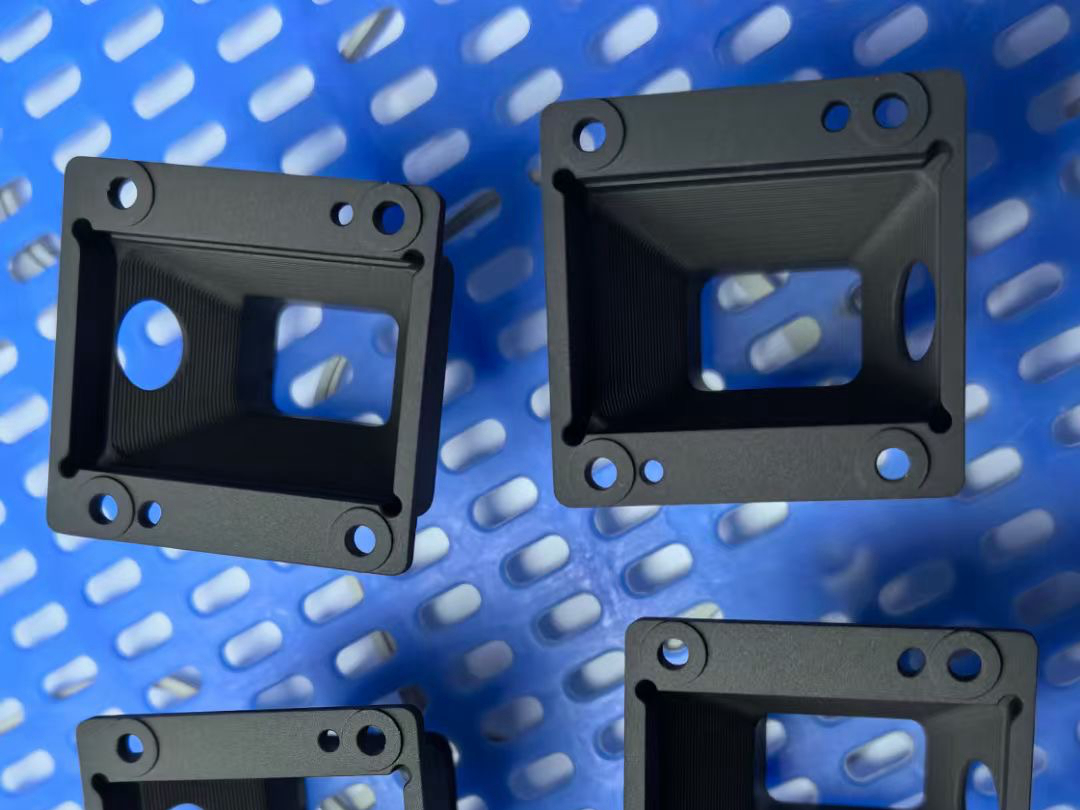
فهم صب الألومنيوم بالقوالب والأنودة
يُعتمد على صب الألومنيوم بالقوالب على نطاق واسع لقدرته على إنشاء هياكل رقيقة الجدار بتفاوتات ضيقة وإنتاجية عالية. تُمكّن عمليات مثل خدمات صب الألومنيوم بالقوالب من تحقيق هندسيات معقّدة لا تستطيع مسارات تصنيع أخرى—مثل البثق أو السباكة بالرمل—تحقيقها بالكفاءة نفسها. ومع ذلك، فإن البنية المجهرية للألومنيوم المصبوب بالضغط تختلف جذريًا عن سبائك الألومنيوم المشغولة (wrought). إذ إن التعبئة بضغط عالٍ، والتبريد السريع، والتركيبات الغنية بالسيليكون تُدخل مساميةً ومراحل غير متجانسة تؤثر مباشرةً على كيفية استجابة هذه الأجزاء لعملية الأنودة.
الأنودة بحد ذاتها عملية كهروكيميائية تحوّل السطح الخارجي للألومنيوم إلى طبقة أكسيد مُتحكَّم بها. وتوفّر البنية الناتجة (المسامية والبلورية) مقاومةً للتآكل، وزيادةً في صلادة السطح، وقيمةً جماليةً أعلى. لكن بينما تُظهر الألومنيومات المبثوقة والمشغولة من القضبان سلوكًا متوقعًا عند الأنودة، تُقدّم سبائك الصب بالقوالب تحديات خاصة بسبب محتوى السيليكون والغازات المحبوسة وعيوب الصب.
وبصفتنا مهندسين، عندما يسأل العملاء عمّا إذا كان بالإمكان أنودة أجزاء الصب بالقوالب، فإن الإجابة الصحيحة هي: نعم—ولكن فقط ضمن الشروط المناسبة، ومع توقعات واقعية وتقييم هندسي مسبق مناسب.
هل يمكن أنودة أجزاء الألومنيوم المصبوبة بالقوالب؟
إمكانية التنفيذ تعتمد على السبيكة
لا تتصرف جميع سبائك الصب بالقوالب بالطريقة نفسها أثناء الأنودة. فالسبائك عالية السيليكون، مثل سبيكة الألومنيوم A380 للصب بالقوالب و A383/ADC12، تميل إلى إنتاج طبقات أكسيد أغمق وغير متجانسة لأن جسيمات السيليكون تقاوم الأكسدة وتخلق امتصاصًا غير موحّد للضوء. أما السبائك الأقل نحاسًا، مثل ADC10، فتؤدي أداءً أفضل، خصوصًا في الأنودة الوظيفية (غير الزخرفية) حيث لا يكون المظهر المتناسق هو الهدف الأساسي.
الخصائص البنيوية لصب القوالب
غالبًا ما تحتوي مكوّنات الصب بالقوالب على مسامية دقيقة، وفواصل باردة، وآثار تدفق. قد تصبح هذه العيوب أكثر وضوحًا بكثير بعد التخليل والأنودة. وحتى عندما يحسّن التشغيل السطحي الخارجي، قد تستمر المسامية تحت السطح في الظهور عبر طبقة الأكسيد. وفي التطبيقات التي تتطلب لونًا موحّدًا أو مظهرًا تجميليًا فاخرًا، يصبح ذلك قيدًا حاسمًا.
متى يُنصح بالأنودة—ومتى لا يُنصح بها
يمكن عادةً أنودة الأجزاء المصبوبة بالقوالب المستخدمة للتقوية الهيكلية، والحاويات، والدعامات، أو المكوّنات الميكانيكية الوظيفية للحصول على مقاومة للتآكل أو عزل كهربائي. ومع ذلك، إذا كان الهدف هو محاكاة مظهر الألومنيوم المشغول من كتلة (billet-machined) كما في هياكل الإلكترونيات الفاخرة، فقد تُنتج الأنودة نتائج غير متوقعة. في مثل هذه الحالات، غالبًا ما تقدّم الدهانات أو الطلاء بالمسحوق أو الأكسدة بالقوس المجهري نتائج أكثر اتساقًا.
التحديات الهندسية في أنودة ألومنيوم الصب بالقوالب
عيوب ناتجة عن المسامية
تؤدي المسامية إلى حفر (pitting)، وتبقّع لوني، وبقع بيضاء، وإحكام غير متجانس. أثناء التخليل الكيميائي، تنفتح المسام كاشفةً معدنًا جديدًا أو ملوّثات تعيق نمو الغشاء. وحتى مع التشغيل، فإن كشف مسامية قريبة من السطح يمكن أن يُحدث بقعًا داكنة أو تفاوتًا في اللمعان.
تأثيرات تركيب السبيكة
تُشكّل أطوار السيليكون والنحاس والحديد مركّبات بينفلزية (intermetallic) تتصرف بشكل مختلف داخل حمام الأنودة. فعلى سبيل المثال، تُظهر السبائك عالية النحاس أداءً أقل في مقاومة التآكل حتى بعد الأنودة، إذ إن تراكم النحاس يضعف تجانس طبقة الأكسيد.
تغيّرات الأبعاد
تنمو طبقة الأكسيد باتجاه الداخل والخارج معًا. لذلك يجب على المكوّنات ذات التفاوتات الضيقة—خصوصًا للتوافقات الانزلاقية أو الواجهات الوظيفية—أن تحسب تغيّر السماكة. كما أن عمليات الإحكام تُحدث انتفاخًا إضافيًا يجب أخذه بالحسبان في تصميم التفاوتات.
نهج Neway الهندسي لأنودة صب القوالب
التحكم بالجودة بدءًا من تصميم القالب والسباكة
في Neway، تبدأ قابلية الأنودة قبل مرحلة المعالجة السطحية بزمن طويل. عند تصميم القوالب، نُحسّن تصميم المغذيات والتهوية لتقليل المسامية. وهذا يقلل مخاطر عدم تجانس اللون وعيوب السطح عند تطبيق الأنودة. ومن خلال ضبط أنماط التعبئة وملفات الضغط ودرجات حرارة المعدن، نثبّت البنية المجهرية وكثافة السطح، ما يؤدي إلى سلوك أنودة أكثر قابلية للتنبؤ.
سير عمل متكامل للصب، والتشغيل، والتشطيب
لأن Neway توفر خدمات التشغيل الدقيق CNC داخليًا، فإننا نحافظ على تحكم صارم في استواء السطح وخشونته وبدلات التشغيل. وهذا مهم بشكل خاص عند الحاجة إلى الأنودة، إذ إن وجود سطح مرجعي ثابت يقلل من تغيّر اللون الموضعي.
ويتولى فريق الأنودة الداخلي لدينا إدارة سير العمل الكامل للتشطيب عبر خط مخصص لخدمة أنودة صب الألومنيوم بالقوالب، ما يتيح تجارب عينات سريعة وضبطًا دقيقًا للمعايير. كما يلغي سير العمل المتكامل تباينات المورّدين ويقلل احتمال عدم تجانس طبقة الأكسيد.
تقييم هندسي مبكر
عند مراجعة طلبات عرض السعر (RFQs)، نقوم بتقييم:
اختيار السبيكة
توزيع سماكة الجدران
تعريف سطح A (السطح التجميلي الرئيسي)
التوقعات الوظيفية مقابل التجميلية
تراكم التفاوتات (Tolerance stack-ups)
متطلبات تجانس اللون
سماكة الطلاء المستهدفة
وفي كثير من الحالات، نوصي بإجراء لوحة تجريبية باستخدام السبيكة نفسها والظروف نفسها قبل الالتزام بالإنتاج الكامل.
نوافذ التشغيل والمعايير لأنودة صب القوالب
استراتيجية المعالجة المسبقة
يتطلب ألومنيوم الصب بالقوالب معالجةً مسبقة مخصصة لتجنب التخليل المفرط لأطوار السيليكون. قد يؤدي التنظيف القلوي الشديد إلى كشف عُقيدات السيليكون والتسبب بمظهر مبقّع. تجمع عمليتنا بين تخليل معتدل، وإزالة سواد (de-smutting) بتركيبات خاصة، وتعادل مضبوط لإعداد سطح الصب دون إتلافه.
التحكم في عملية الأنودة
تؤثر تركيبة الإلكتروليت ودرجة الحرارة وكثافة التيار بشكل كبير على شفافية الغشاء ولونه. تتطلب سبائك الصب بالقوالب عالية السيليكون عادةً كثافات تيار أقل ونطاقات حرارة أضيق لتجنب الاحتراق ونمو غير متجانس.
تُحدّد سماكة الغشاء وفق المتطلب الوظيفي—أغشية رقيقة للتحكم باللون، وأغشية أكثر سماكة لمقاومة التآكل والاهتراء.
المعالجة اللاحقة والإحكام
تستخدم Neway الإحكام بالماء الساخن أو بأملاح النيكل وفق متطلبات الأداء. يعزز الإحكام الصحيح مقاومة رذاذ الملح بشكل كبير ويمنع التصبّغ أثناء المناولة والتجميع.
موازنة المظهر والوظيفة والتكلفة
الألوان الممكن تحقيقها بالأنودة
يمكن عادةً تحقيق اللون الفضي الطبيعي والرمادي الداكن والأسود، إلا أنه لا يمكن ضمان تجانس مثالي للسبائك عالية السيليكون. تكون الأسطح الكبيرة والمسطحة أكثر عرضة للتفاوت البصري، بينما تُظهر الدعامات الصغيرة والأسطح المشغولة نتائج أكثر اتساقًا.
إدارة التوقعات للأسطح التجميلية
بالنسبة للهياكل الخارجية الفاخرة في الإلكترونيات الاستهلاكية، غالبًا ما تتجاوز توقعات التجانس قدرات أنودة ألومنيوم الصب بالقوالب. في هذه الحالات، نقترح غالبًا حلولًا بديلة مثل الطلاء بالمسحوق أو الدهان عندما يتطلب العملاء سطحًا خاليًا من العيوب.
ويتوافق ذلك مع تجاربنا في مشاريع سابقة، بما فيها برامج هياكل إلكترونية عالية الحجم مثل تعاون Huawei في حاويات الصب بالقوالب.
اختيار العملية مقابل التكلفة
عادةً ما تكون الأنودة أعلى تكلفة من الدهان لكنها توفر مقاومة أفضل للخدش والاهتراء. وبالمقابل، يوفر الطلاء بالمسحوق تجانسًا ممتازًا لكنه يحد من المظهر المعدني. تتطلب كل طريقة موازنة بين التكلفة والإنتاجية وجودة السطح.
سيناريوهات التطبيق ورؤى من الحالات
الإلكترونيات الاستهلاكية وعتاد الحوسبة
تحتاج إطارات وحدات GPU وملحقات الحاسوب إلى توازن بين مقاومة التآكل وخفة الوزن والمظهر. في مثل هذه المشاريع، قد تكون الأنودة ممكنة اعتمادًا على السبيكة ومتطلبات السطح، كما يظهر في عدة تعاونات بما فيها مشاريع Volkswagen لصب الألومنيوم بالقوالب، حيث تُعد مقاومة التآكل الوظيفية أولوية أعلى من تجانس اللون المثالي.
تطبيقات السيارات والصناعة
تتفوق مقاومة التآكل والقوة الميكانيكية على التجانس التجميلي في هذه القطاعات. يمكن للأنودة أن تعزز المتانة ومقاومة العوامل البيئية بشكل ملحوظ عند تطبيقها على الدعامات، والحاويات، والأذرع، أو الدعامات الميكانيكية.
حلول تصنيع شاملة من البداية إلى النهاية
يميل العملاء الباحثون عن إنتاج مستقر وقابل للتنبؤ إلى اختيار حل الصب بالقوالب الشامل لدينا. ومن خلال دمج الصب بالقوالب والتشغيل والأنودة والاختبار والتجميع، نقلل التفاوتات البعدية ونحسّن اتساق طبقة الأكسيد.
إرشادات عملية للمصممين ومهندسي المشتريات
توصيات للرسم والمواصفات
لزيادة فرص نجاح الأنودة:
تجنّب الحواف الحادة والفتحات العميقة العمياء
استخدم فيليات متسقة لتقليل تركّز التيار
حدّد فئات تجميل واقعية
عرّف اللون والسماكة ومعايير القبول بوضوح
فضّل السبائك ذات السيليكون المعتدل والنحاس المنخفض
فكّر في تشغيل الأسطح الحرجة قبل الأنودة
التواصل مع المورّد
اسأل مورّدك:
ما السبيكة وعملية الصب بالقوالب الموصى بها؟
كيف يتم التحكم بالمسامية على مستوى تصميم القالب؟
ما العينات أو معايير اللون المتاحة للأنودة؟
ما بيانات الاختبار التي يمكن تقديمها (رذاذ ملح، صلادة، التصاق)؟
كيف يتم أخذ النمو البُعدي بعد الأنودة بالحسبان؟
إن التواصل الواضح في مرحلة طلب عرض السعر (RFQ) يحسن بشكل كبير احتمال تحقيق المتطلبات التجميلية والوظيفية معًا.
الأسئلة الشائعة
كيف يختلف مظهر الألومنيوم المبثوق والمصبوب بالقوالب بعد الأنودة؟
ما تفاصيل الرسم التي يجب تحديدها لفرض الأنودة على أسطح الألومنيوم التجميلية؟
هل يمكن تشغيل أو إعادة معالجة أجزاء الصب بالقوالب بعد أنودتها؟
ما مقدار مقاومة التآكل التي يمكن أن تحققها أجزاء الصب بالقوالب المؤنودة في اختبارات رذاذ الملح؟
