How A360 Aluminum Helps Buyers Plan Die Cast Parts
How A360 Aluminum Helps Buyers Plan Die Cast Parts
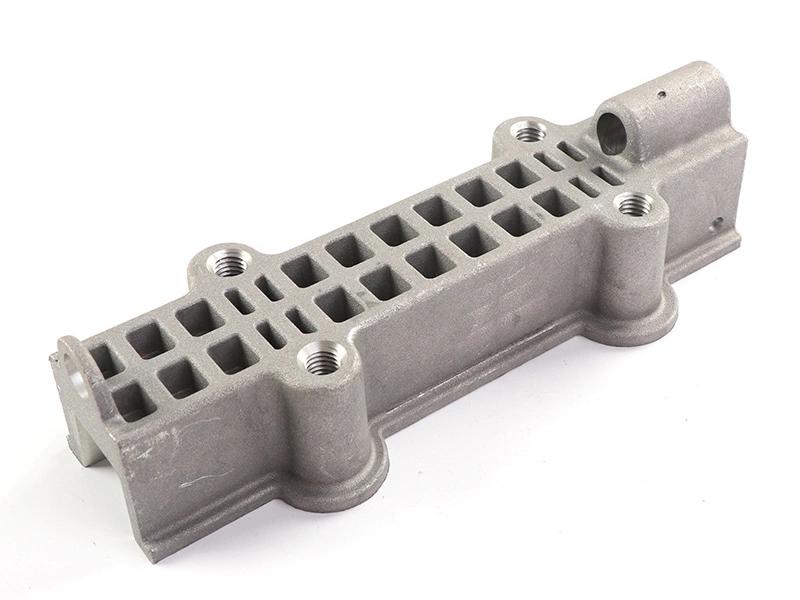
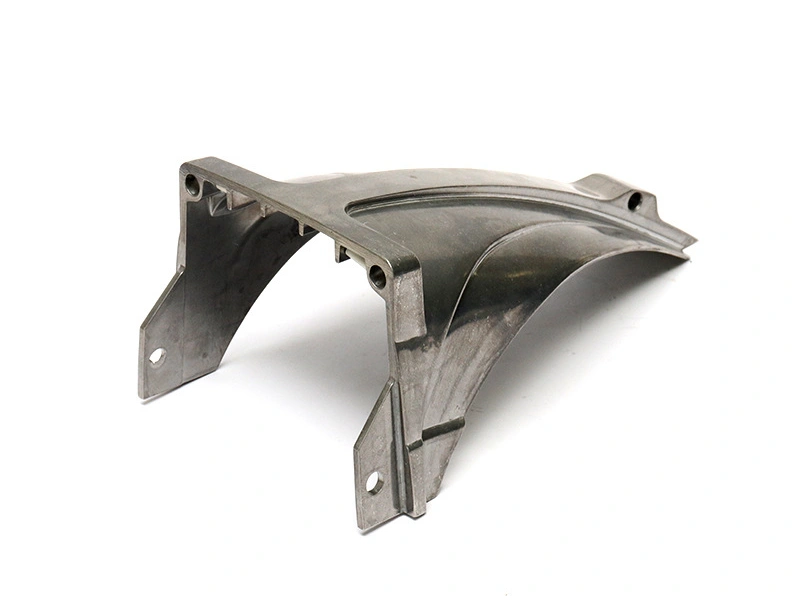
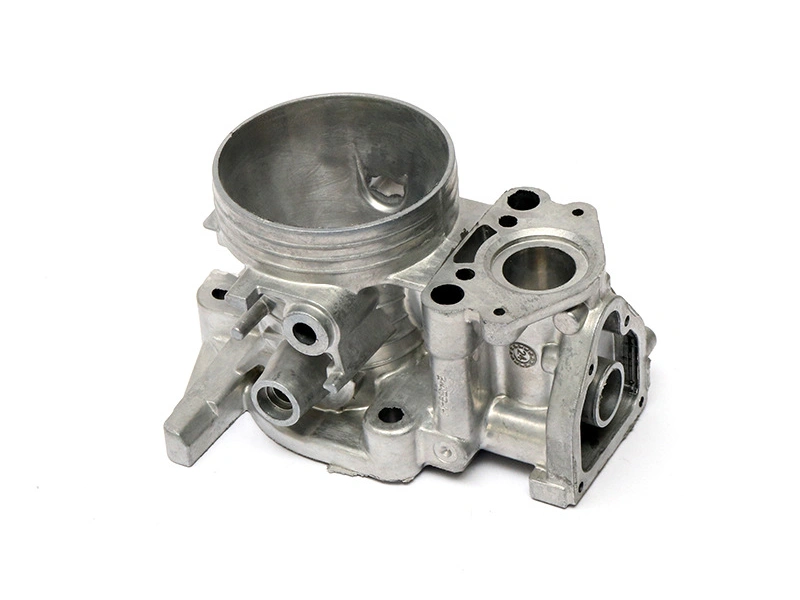
A360 aluminum is a die casting alloy direction buyers may review when custom aluminum parts need corrosion resistance, good casting performance, pressure-tight direction, stable production and finished surfaces. It is often considered for housings, covers, pump-related parts, outdoor components, electronic enclosures, machinery covers and aluminum die cast parts where environment and surface protection matter.
For buyers, the question is not only whether A360 can be cast. The real question is whether A360 is the best material direction for the part's function, geometry, finish, machining features, production volume and cost target. A360 may be useful when corrosion resistance or pressure-tight performance is important, but A380, ADC12, A413 or another aluminum alloy may fit better when cost, availability, castability, machining behavior or application standards point in another direction.
A successful A360 aluminum die casting project should connect alloy selection with design review, tooling, die casting parameters, CNC machining, surface finishing, inspection and repeat production release. If buyers select the alloy late or treat it as only a line in the drawing, they may face porosity, sealing failure, finish mismatch, machining problems, delayed tooling approval or inconsistent repeat batches.
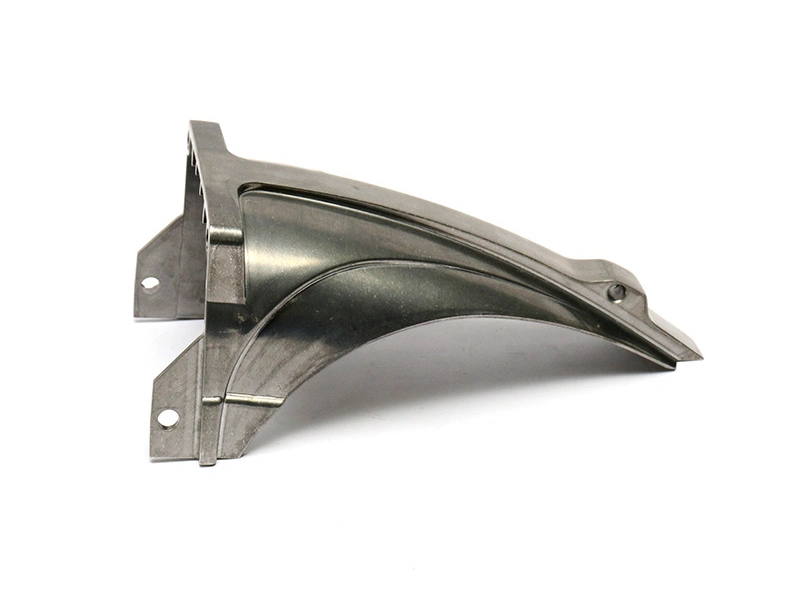
What Does A360 Aluminum Mean for Die Casting Buyers?
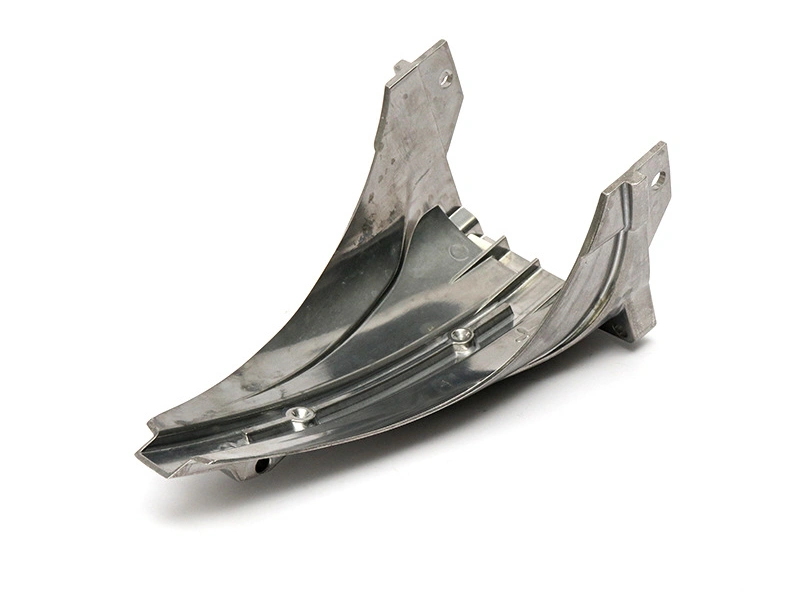
A360 aluminum is an aluminum die casting alloy used when buyers need a production casting route with stronger attention to corrosion resistance and pressure-tight direction than a purely lowest-cost material choice. In practical sourcing, buyers usually compare A360 with A380, ADC12 and other aluminum die casting alloys based on application, mechanical needs, finish requirement, machining scope and supplier availability.
Buyers searching A360 aluminum are usually not trying to memorize a material table. They need to decide whether their part should specify A360, whether the supplier can process it consistently, whether the design is ready for tooling and whether the finished casting can pass assembly or environmental requirements. This makes A360 a manufacturing decision, not just a material keyword.
For a broader material overview, aluminum die casting alloys helps buyers compare alloy directions before locking a drawing.
Buyer Need | Why A360 May Be Reviewed | What to Confirm |
|---|---|---|
Corrosion-sensitive use | A360 is often reviewed when environment matters | Finish route, exposure and acceptance standard |
Pressure-tight direction | It may be considered for housings and parts where leakage risk matters | Porosity control, sealing faces and leak testing needs |
Outdoor aluminum parts | Material and surface protection can work together | Coating, chromate conversion or other finish requirement |
Machined assembly faces | Critical areas can be CNC machined after casting | Machining allowance, datum and tolerance plan |
Repeat production | Approved tooling can support stable batches | Sample approval and controlled batch specifications |
When A360 Aluminum Is a Good Fit
A360 aluminum is a good fit when the buyer needs an aluminum die cast part with stable production, corrosion resistance direction, finished surfaces, controlled machining areas and repeatable performance. It may be suitable for housings, covers, brackets, pump bodies, outdoor equipment components, enclosures and parts that need a practical balance between casting performance and environmental durability.
A360 may not be the best choice when the buyer's main requirement is the lowest possible material cost, when local supply strongly favors another alloy or when the project does not need the specific advantages of A360. In many commercial projects, A380 or ADC12 may be considered because they are widely used and often economical. The buyer should not specify A360 only because it sounds more advanced. The alloy should solve a real product requirement.
For buyers who need broader production support, aluminum die casting services for custom production parts shows how alloy choice connects with tooling, machining and finishing.
A360 vs A380 and ADC12 for Aluminum Die Cast Parts
A360, A380 and ADC12 are often compared because buyers want the right material direction before tooling. A380 is widely used for many general aluminum die cast parts because it offers a practical balance of castability, strength and cost. ADC12 is common in many supply chains and may be reviewed when the project follows JIS-oriented material requirements or supplier availability. A360 is reviewed when corrosion resistance or pressure-tight direction matters enough to justify the choice.
The buyer should compare these alloys by application rather than by a single property. A lighting housing may prioritize heat dissipation and surface finish. A pump cover may prioritize sealing, porosity control and corrosion protection. A machine cover may prioritize stability, coating and cost. The drawing, use environment and finish requirement should guide the material decision.
Alloy Direction | Common Buyer Reason to Review | Risk if Chosen Poorly |
|---|---|---|
A360 | Corrosion resistance direction, pressure-tight direction and finished aluminum parts | May add cost or supply complexity if the benefit is not needed |
A380 | Broad general aluminum die casting use with good commercial balance | May not be ideal when environment or sealing requirements dominate |
ADC12 | Common die casting alloy direction in many production supply chains | Must be checked against buyer standards, finish and corrosion needs |
A413 | Projects reviewing fluidity or pressure-tight direction in suitable cases | Availability, machining and mechanical needs must be confirmed |
Design Details That Matter Before A360 Tooling
Before A360 tooling begins, buyers should review wall thickness, ribs, bosses, draft angle, corner radius, parting line, gate location, venting, sealing faces, threaded holes, datum surfaces, cosmetic surfaces and machining allowance. These design details decide whether the part can be cast, machined, finished and inspected consistently.
Wall thickness affects filling, cooling, porosity and warpage. Ribs can improve stiffness but may create thick junctions if poorly designed. Bosses need enough support for threads or inserts. Sealing faces should be marked early because they may need CNC machining and porosity review. Cosmetic surfaces should be identified before gate and ejector planning. A small design omission before tooling can become expensive after the die is built.
For tooling risk planning, alloy choice before aluminum die casting tooling helps buyers connect material decisions with tooling risk.
CNC Machining After A360 Aluminum Die Casting
A360 aluminum die casting can form the main shape of a custom part, but many functional features still need CNC machining. Common machined features include threaded holes, mounting holes, sealing faces, bearing bores, datum pads, flat contact surfaces and tight-tolerance assembly areas. The goal is not to machine every surface. The goal is to machine the areas that control fit, sealing, fastening, movement or inspection.
Machining allowance should be planned before tooling. If the casting leaves too little stock on a sealing face, the final surface may not clean up. If it leaves too much stock, machining time and cost increase. If datum surfaces are not defined, machining fixtures and inspection reports may use inconsistent references. Buyers should mark the features that truly matter instead of applying tight tolerances to every dimension.
For machining-related alloy planning, aluminum grades and CNC machining after casting helps buyers consider material behavior and post-machining requirements.
Surface Finishing for A360 Aluminum Die Cast Parts
Surface finishing for A360 aluminum die cast parts should be planned based on environment, appearance, corrosion protection, masking needs and assembly fit. Possible finish routes may include powder coating, painting, chromate conversion coating, clear coating, polishing or other post-processes depending on the part and application. The finish should be selected after considering casting surface quality, machining areas and operating environment.
Finishing cannot hide all casting problems. Porosity, cold shuts, heavy parting line mismatch, trimming damage or poor machining cleanup can still appear through coatings or create functional issues. If the part is exposed outdoors, used near moisture or requires a controlled appearance, finish samples and defect standards should be approved before mass production.
For finish route comparison, surface finishing options for aluminum die casting helps buyers compare common finish choices and cost factors.
Pressure Tightness, Porosity and Sealing Risk
Some buyers review A360 aluminum because the part has sealing or pressure-related expectations. In those projects, alloy selection is only part of the answer. The supplier must also review gate design, venting, wall thickness, hot spots, machining cleanup, sealing face flatness, leak testing and acceptance criteria. A pressure-sensitive part should not be approved only by visual inspection.
Porosity control begins before casting. Thick areas, abrupt wall transitions and poorly located gates can increase risk. CNC machining can expose internal pores if the machining allowance or casting quality is not controlled. Surface finishing may protect the part, but it does not repair internal leakage paths. Buyers should define whether leak testing, pressure testing or impregnation review is required before production release.
Risk Area | Why It Matters | Buyer Evidence |
|---|---|---|
Porosity | Can affect sealing, strength and machined surfaces | Sample inspection, section review or leak test if required |
Sealing face | Flatness and surface quality control leakage risk | CNC report and surface finish check |
Wall transitions | Abrupt thick-thin changes can create defects | DFM review before tooling |
Finish coverage | Protects external surfaces but may affect fit | Approved coating sample and masking plan |
RFQ Information for A360 Aluminum Die Casting
A useful RFQ for A360 aluminum die casting should include STEP or X_T files, a 2D drawing, target alloy, annual quantity, first order quantity, operating environment, pressure or sealing requirement, machined features, surface finish requirement, inspection needs, packaging standard and target lead time. If the buyer is comparing A360 with A380 or ADC12, that should be stated clearly so the supplier can explain tradeoffs.
Buyers should also mark critical features. If a sealing face, threaded hole, bearing bore, cosmetic face or mounting datum is important, it should be visible in the drawing notes. This allows the supplier to review tooling, machining, finishing and inspection before quoting. A clear RFQ reduces the risk of a cheap quote that excludes the work needed to make a finished production part.
Lead Time, Cost and Supplier Questions for A360 Aluminum
Lead time for A360 aluminum die casting depends on whether the project needs new tooling, tooling correction, CNC machining, coating, leak testing, corrosion-related validation or packaging protection. Buyers should separate tooling lead time from production lead time. A new project may require DFM review, mold design, die fabrication, T1 samples, correction, machining validation, finish approval and pilot production before mass production can be released.
Cost should also be compared by finished-part scope. A quote that includes tooling, trial samples, CNC machining, powder coating, inspection and packaging should not be compared directly with a quote for raw castings only. A360 may be selected for a performance reason, so the supplier should explain how the process controls that reason. If corrosion resistance matters, what finish is included? If sealing matters, is a leak test included? If a machined face matters, is the CNC setup included?
Useful supplier questions include: why is A360 recommended over A380 or ADC12, which surfaces need machining, where are the high porosity risk areas, what finish route is planned, whether masking is needed, what inspection reports are included, whether leak testing is required and how repeat orders will follow the approved sample. These questions reveal whether the supplier is thinking about the finished part or only quoting casting weight.
Supplier Question | Why It Matters | Good Output |
|---|---|---|
Why A360 instead of A380 or ADC12? | Confirms the material has a real functional reason | Alloy recommendation tied to application |
Which areas will be CNC machined? | Controls sealing, mounting, threads and fit | Machining map and inspection plan |
How will porosity risk be controlled? | Protects sealing and machined surfaces | Tooling and process review |
What finish is included? | Controls corrosion protection and appearance | Finish sample and defect standard |
What records support repeat orders? | Prevents quality drift | Production release file |
Quality Checks Before A360 Repeat Production
A360 aluminum parts should be validated by the risks that caused the alloy to be selected. If the part was chosen for corrosion-sensitive use, the finish sample and coating protection should be checked. If the part was chosen for pressure-tight direction, leak testing or sealing face inspection may be needed. If the part has tight assembly interfaces, CNC dimensions and gauge records should be reviewed. A single visual sample is not enough for many A360 projects.
Buyers should request a first article report for critical dimensions, a machining report for functional areas, a finish sample for appearance or protection, and a pilot batch review before repeat production. The pilot batch helps reveal whether casting quality, machined cleanup, finish coverage and packaging remain consistent across more than one sample. This is especially important when the part has both functional and cosmetic requirements.
The final production release should lock the drawing revision, alloy, tooling status, machining program, finish sample, inspection checklist and packaging standard. Repeat orders should follow those records unless the buyer approves a change. Without this discipline, the same A360 part can drift between orders because a coating source, machining setup or inspection standard changed quietly.
Buyers should also define what triggers revalidation. A drawing revision, mold repair, machining fixture change, coating supplier change or new test requirement can affect the approved condition. The production file should make these triggers visible so purchasing does not unknowingly reorder a part under a different manufacturing standard or inspection basis for future batches.
This record also helps new engineers understand the original manufacturing decision.
Typical A360 Property Data for Buyer Screening
Common A360 reference data is approximately 2.63 g/cm3 density, 300-320 MPa ultimate tensile strength, 150-170 MPa yield strength, 3-4% elongation and about 110-115 W/mK thermal conductivity. Actual values depend on casting section, process parameters, specimen condition and supplier standard, so the drawing and material certificate must control production acceptance.
Property | Typical Reference | Why Buyers Review It |
|---|---|---|
Density | About 2.63 g/cm3 | Weight estimate |
Tensile strength | About 300-320 MPa | Structural screening |
Elongation | About 3-4% | Impact and local deformation review |
Thermal conductivity | About 110-115 W/mK | Housing and heat-flow decisions |
A360 material control should reference ASTM B85 or the agreed equivalent, with the exact alloy designation and any chemistry certificate requirement written into the purchase specification. ASTM E8/E8M can define tensile testing when mechanical verification is required. A datasheet value should not be treated as guaranteed performance for every wall section.
Short Example: A360 Outdoor Aluminum Housing
A buyer needed an outdoor aluminum housing with a machined sealing face, powder-coated exterior and threaded mounting holes. A360 aluminum was reviewed because corrosion resistance and sealing risk mattered. During DFM, the supplier identified a thick wall transition near the gasket area, a cosmetic face that needed gate protection and machining allowance around the sealing surface.
The project used tooling review to improve flow and reduce hot spots, CNC machining to finish the gasket face and threaded holes, and coating approval to confirm exterior appearance. The pilot batch was checked for dimensions, sealing face flatness, coating coverage, thread gauges and packaging protection before repeat production release.
How Neway Supports A360 Aluminum Die Casting Projects
Neway supports A360 aluminum die casting projects by reviewing alloy selection, DFM, tooling, die casting, CNC machining, surface finishing, inspection and repeat production records. The goal is to help buyers decide whether A360 is the right material direction and then control the manufacturing route from drawing to finished parts.
For buyers comparing broader service scope, aluminum die casting support can connect material selection with tooling, machining and finishing. This is especially important when A360 is chosen for corrosion-sensitive, pressure-sensitive or surface-finished components that must remain consistent across repeat orders.
FAQ
How Can Buyers Decide If A360 Aluminum Fits a Die Casting Project?
When Does A360 Corrosion Resistance Justify It Over A380 or ADC12?
Which A360 Features Increase Porosity or Pressure-Tightness Risk Before Tooling?
How Should CNC Machining and Surface Finishing Be Planned for A360 Aluminum Castings?
What Validation Records Help A360 Aluminum Die Cast Parts Move Into Repeat Production?