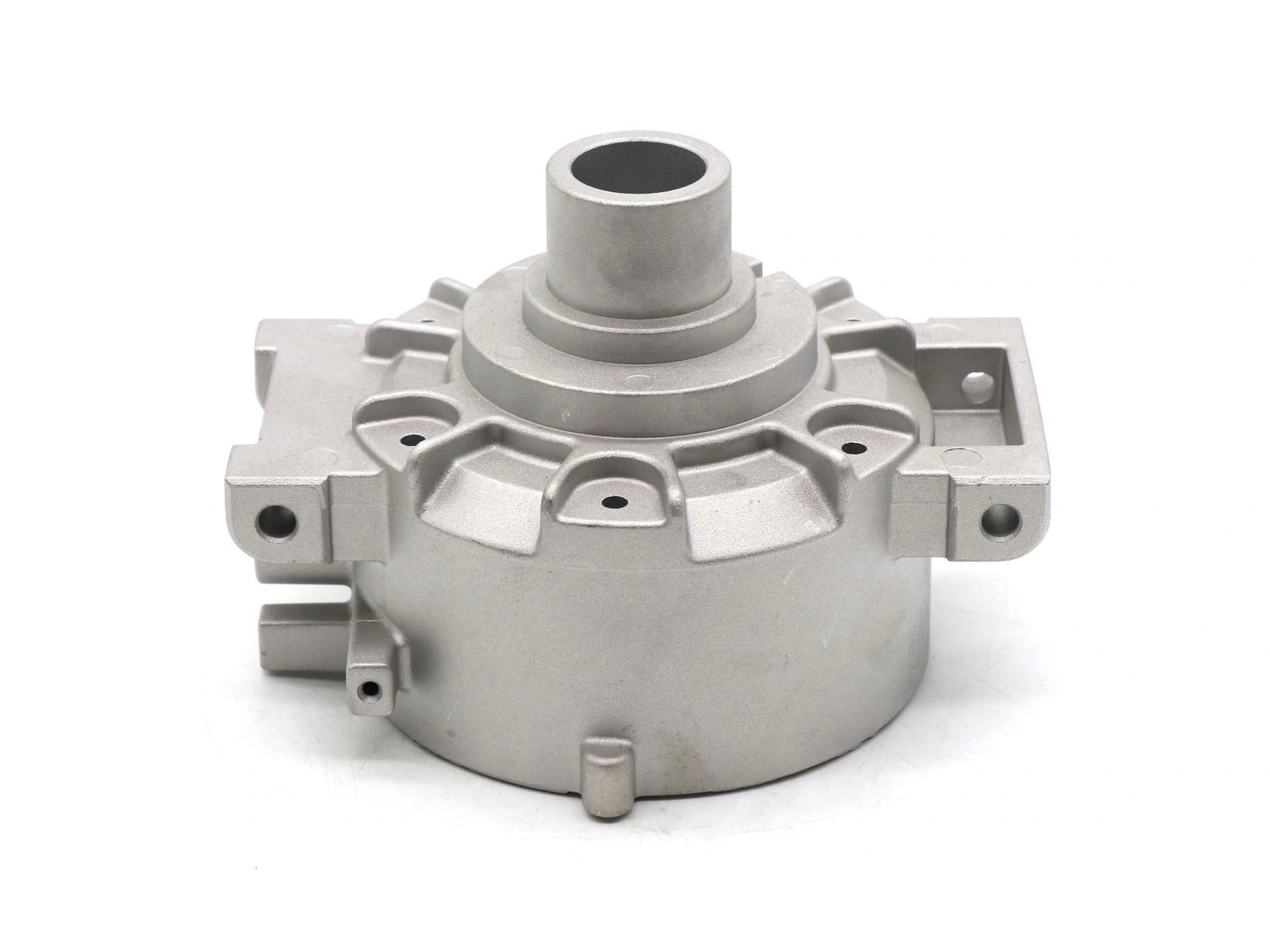
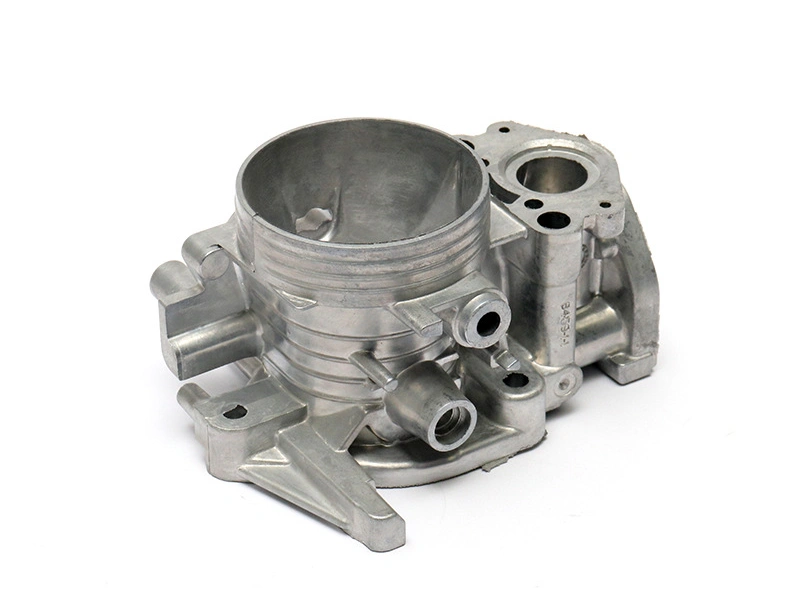
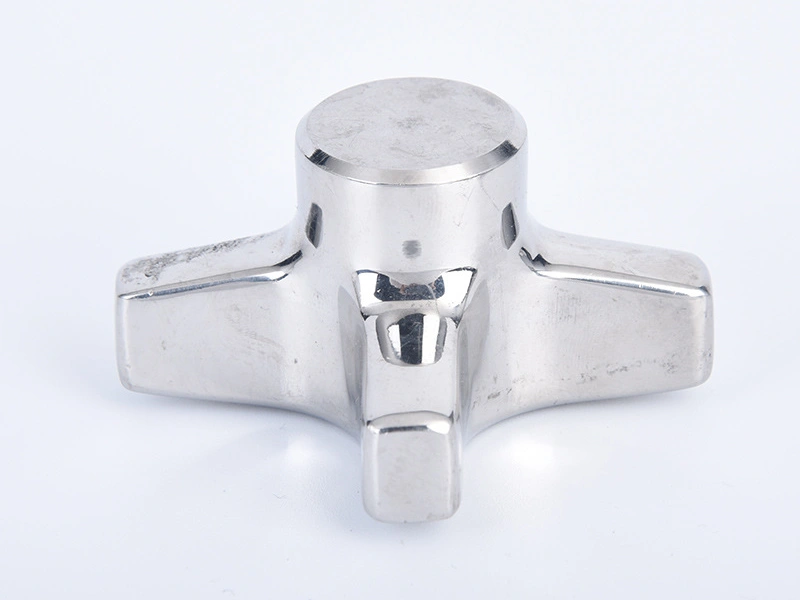
A360 Material Properties for Aluminum Die Casting
A360 Material Properties for Aluminum Die Casting
A360 material properties matter when buyers need aluminum die cast parts with stronger corrosion direction, pressure-related performance or outdoor durability than a general-purpose alloy may provide. A360 is often discussed beside A380, A413 and ADC12 because it can offer a different balance of corrosion resistance, castability, strength and cost. It is not the automatic best alloy for every aluminum die casting project, but it deserves review when the part has moisture exposure, sealing requirements or demanding finish expectations.
Buyers searching for A360 material properties usually need a purchasing decision, not a chemistry table alone. They may be evaluating pump covers, outdoor housings, lighting bodies, electronic enclosures, motor parts, fluid-related covers or industrial components. The useful question is whether A360 helps the finished part meet its application requirements enough to justify availability, process and cost considerations.
Neway reviews A360 as part of the complete aluminum die casting route. Material properties must connect to tooling, casting, machining, finishing and inspection. A360 can be a strong choice only when the manufacturing route can prove the part's corrosion, pressure, dimensional and surface requirements.
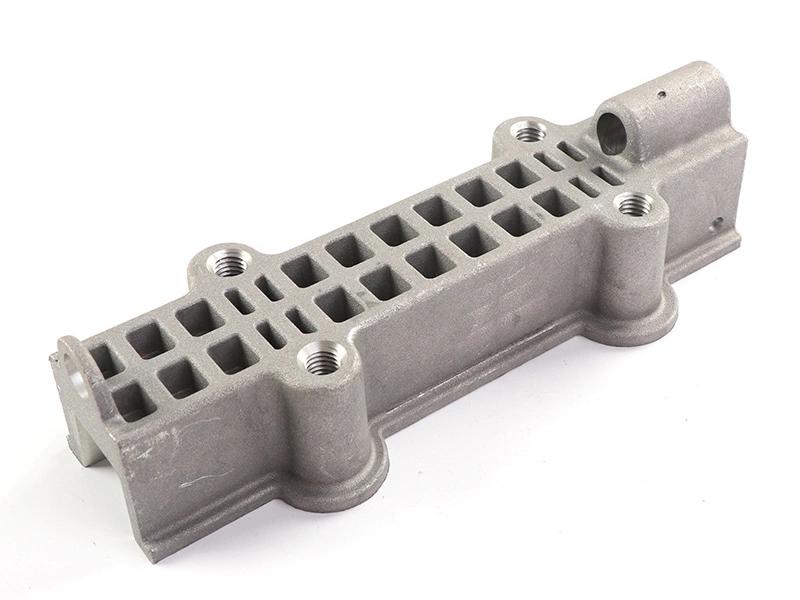
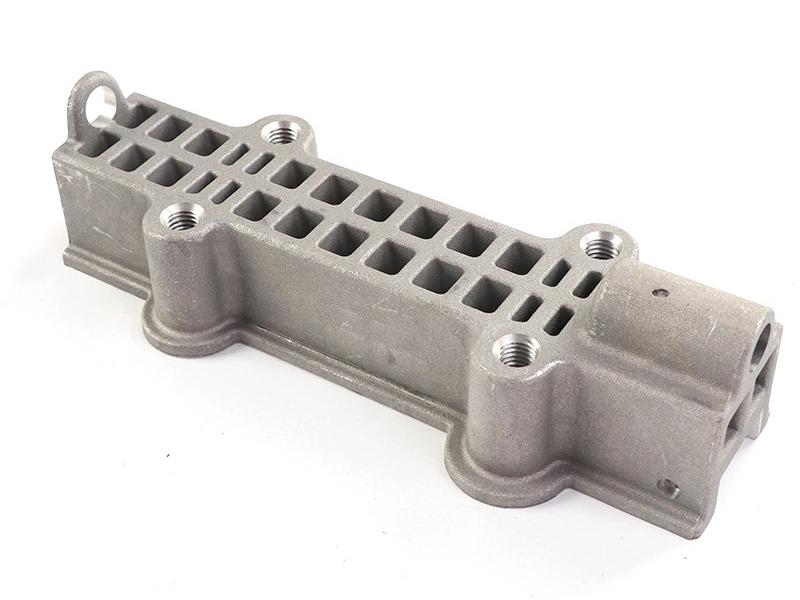
Why Buyers Consider A360 Instead of A380
A380 is often the practical starting point for many aluminum die cast parts because it balances castability, strength, cost and supply chain familiarity. Buyers consider A360 when the part needs a stronger corrosion direction, better pressure-related confidence or a material profile that fits harsher service conditions. The decision should be based on part risk, not on the idea that one alloy is always superior.
A360 may be worth reviewing for outdoor enclosures, sealed covers, pump components, lighting housings, fluid-adjacent parts and parts that must resist moisture or environmental exposure. However, the supplier should confirm whether the die casting process, tooling and inspection plan support the intended advantage. A material name cannot compensate for poor gate design, insufficient venting or machining that opens pores in a sealing face. If part function depends on alloy behavior, A360 aluminum die casting material helps separate strength, castability, machining and finish concerns.
Buyer Concern | Why A360 May Be Reviewed | What Still Must Be Proven |
|---|---|---|
Outdoor exposure | Better corrosion direction than many general choices | Coating, sealing and material record |
Pressure or leakage risk | Often considered for pressure-related applications | Tooling, porosity control and leak test |
Machined sealing face | Can support a stronger material direction | Machining stock and pore limits |
Cost-sensitive housing | May be less necessary if A380 meets requirements | Total cost and finish acceptance |
Where A360 Properties Create Real Buyer Value
A360 creates real buyer value when corrosion exposure, sealing risk or environmental durability affects the life of the product. Outdoor lighting bodies, controller covers, motor housings near moisture, pump-related covers and protective enclosures are stronger candidates than simple indoor brackets. The buyer should identify the service condition before requesting A360, because the material can add cost or sourcing complexity if its advantages are not needed.
The value also depends on the finish system. A powder coated A360 outdoor housing may perform well when pretreatment, coating thickness, masking and packaging are controlled. A raw casting in a humid environment may still corrode or stain. Material selection and surface protection should be reviewed together. If the finish is weak, the alloy benefit may not be enough to protect the part.
A360 may also help when pressure-related confidence matters, but the buyer must define the pressure or sealing requirement. A sealed cover with a gasket face needs machined surface quality and flatness. A fluid-adjacent part may need leak testing. A threaded port may need thread gauge checks after machining and finishing. These are manufacturing controls, not just material properties.
Core A360 Material Property Directions
A360 is usually valued for corrosion resistance direction, pressure-related performance direction, useful strength and die casting suitability. It contains silicon for castability and has a chemistry profile that buyers may review when A380 does not provide enough environmental confidence. Exact property values can vary by standard, supplier and condition, so buyers should request material certificates or agreed standards when properties are critical. If part function depends on alloy behavior, A380 aluminum die casting material helps separate strength, castability, machining and finish concerns.
From a buyer's viewpoint, the important properties are practical: Will the part resist corrosion in its environment? Can the casting route control porosity near sealing surfaces? Can the alloy machine cleanly where threads, bores or gasket faces are required? Can the finish meet the appearance or protection goal? These questions turn material properties into manufacturing decisions. The material decision should be checked against surface finish compatibility for aluminum alloy die cast parts when casting route, surface finish or production risk depends on the grade.
A360 Property-to-Risk Translation
Property data is useful only when it is translated into part risk. Corrosion resistance means the buyer should review environment, coating, exposed edges and cleaning chemicals. Pressure-related performance means the buyer should review porosity, sealing face machining and leak test standards. Strength means the buyer should review ribs, bosses, wall transitions and fastener loads. Machinability means the buyer should review threads, holes, burrs and fixture datums.
A360 Property Direction | Part Feature Affected | Buyer Release Evidence |
|---|---|---|
Corrosion resistance | Outdoor faces, coated surfaces, exposed edges | Finish sample, coating notes and environment record |
Pressure-related use | Gasket face, threaded port, pressure wall | Machined sample and leak test if required |
Strength direction | Bosses, ribs, brackets and mounting points | Dimensional report and application review |
Machining behavior | Threads, bores, datums and flat faces | Gauge results, CMM and burr standard |
Finish compatibility | Visible coating and masked areas | Finished sample and visual boundary |
A360 vs A380, A413 and ADC12
A360 should be compared with alternatives by part requirement. A380 often wins when the buyer needs a balanced, common, cost-effective die casting material. A413 may be reviewed when high fluidity or pressure-tight direction is especially important. ADC12 may be common in Asian production for commercial die cast parts. A360 may be chosen when corrosion direction and pressure-related performance carry more value than the simplest cost path.
Alloy Direction | Common Buyer Reason | Decision Boundary |
|---|---|---|
A360 | Corrosion and pressure-related confidence | Use when environment or sealing risk justifies review |
A380 | Balanced cost, castability and general performance | Use for many standard housings and brackets |
A413 | Fluidity and selected pressure-tight directions | Use when fill and leak-related review dominate |
ADC12 | Commercial die casting availability and cost | Use when equivalent approval and finish risk are acceptable |
Pressure Tightness and Porosity Risk
A360 may be considered for pressure-related aluminum die cast parts, but pressure tightness is not guaranteed by alloy choice alone. Porosity depends on part design, wall thickness, gate and vent design, injection parameters, die temperature, machining location and inspection. A machined sealing face can expose pores even if the raw casting looked acceptable.
Buyers should define pressure test requirements when the part is leak-sensitive. The RFQ should state test pressure, medium, hold time, leak limit and whether impregnation is allowed. It should also mark sealing faces, threaded ports and pressure boundaries on the drawing. The supplier can then judge whether A360 and the proposed tooling route are suitable.
Pressure-related A360 projects should be sampled in the machined condition. A raw casting may pass visual review and still fail after a gasket face is machined. The supplier should inspect critical regions after machining and before finishing when those areas control sealing. If the part is coated after machining, the final fit should also be checked after coating.
Machining and Thread Performance
A360 die cast parts may still need CNC machining after casting. Common machined features include threaded holes, mounting holes, gasket faces, bores, slots and datum pads. The material must support these operations, but the casting design must also leave enough machining allowance and stable datums. For alloy-sensitive projects, deciding if aluminum is the right die casting material is a better reference than treating every aluminum or zinc grade as interchangeable.
For threaded holes, buyers should confirm thread depth, thread gauge, tapping sequence and coating effect. For sealing faces, buyers should confirm flatness, surface finish and pore acceptance. For bores or datum pads, CMM or gauge checks may be needed. The drawing should separate as-cast and machined surfaces so the supplier can quote realistically.
Surface Finishing With A360
A360 parts can be painted or powder coated when surface preparation, masking and defect standards are clear. Coating is often important for outdoor or corrosion-exposed applications. Buyers should define visible surfaces, color, gloss, coating thickness, masked threads, sealed faces and acceptable defects before sample approval.
Decorative anodizing should be reviewed carefully for any die cast aluminum alloy. Die casting alloy chemistry and cast surface condition may create color variation or a darker appearance compared with wrought aluminum. If anodizing is required, the buyer should state whether the goal is functional protection, wear direction or cosmetic appearance.
A360 Sample Validation and Pilot Batch Review
A360 sample validation should prove the reason the alloy was selected. If corrosion drove the decision, samples should include the planned coating or surface protection. If sealing drove the decision, samples should include machined sealing faces and leak checks where required. If machining drove the decision, samples should include tapped holes, bores and datums with inspection reports. The material decision should be checked against alloy selection impact on machined features when casting route, surface finish or production risk depends on the grade.
A pilot batch may be useful when the part will move into repeat production. One good sample can be selected or corrected by hand. A small batch shows whether A360 casting quality, machining, coating and inspection remain stable across multiple parts. Buyers should review variation in critical dimensions, thread quality, finish appearance and any leak-related checks.
If the pilot batch fails, the supplier should identify the root cause. A coating defect may come from surface preparation, casting pores or handling. A leak may come from porosity, machining stock or tool design. A thread problem may come from tapping, coating buildup or boss geometry. The correction should be documented before production release.
Short Example: A360 Outdoor Controller Cover
A buyer needed an outdoor controller cover with a gasket face, four threaded bosses and a powder coated exterior. A380 was initially considered because it was common and cost-effective. During review, the application environment and sealing requirement made A360 worth evaluating. The supplier reviewed wall thickness, gate location, machining allowance and coating requirements before quoting.
Prototype samples included die casting, machining of the gasket face, thread gauges, powder coating and a basic sealing review. The buyer approved the A360 direction after finished samples showed acceptable surface quality and fit. The decision was not based on property values alone; it was based on finished-part evidence.
What to Include in an A360 RFQ
An A360 RFQ should include the 3D model, 2D drawing, application environment, material requirement, allowed equivalents, annual volume, batch size, machined features, pressure or leak requirements, surface finish, inspection needs and delivery target. If A360 is requested because of corrosion or sealing risk, the buyer should state that reason.
RFQ Item | Why It Matters for A360 |
|---|---|
Application environment | Shows whether corrosion direction is important |
Pressure or sealing requirement | Defines leak test and porosity risk |
Machined features | Identifies faces, threads, bores and datums needing control |
Finish requirement | Controls coating, masking and surface standards |
Equivalent material rule | Prevents unapproved substitution |
Inspection level | Defines CMM, gauges, finish review or leak test evidence |
Neway can review A360 material properties together with tooling, die casting, CNC machining, surface finishing and inspection. This helps buyers decide whether A360 is justified for the part or whether A380, A413, ADC12 or another route would be more practical.
A360 Production Release Record
After approving A360 samples, buyers should lock the release record. The record should include material standard, allowed equivalents, drawing revision, tooling notes, machining fixture, finish sample, leak or pressure test if required, inspection method and packaging standard. This record prevents a later order from drifting into another aluminum alloy or different finish standard without review.
If the buyer allows an equivalent material, the approval should be written. If A360 was selected for corrosion or sealing, any equivalent should be reviewed against the same requirement. Material substitution can be acceptable in some projects, but it should never be silent when the material was chosen for a specific risk.
Cost and Availability Questions for A360
A360 may carry different cost and availability assumptions than A380 or ADC12. Buyers should ask whether the supplier normally runs A360, whether minimum batch requirements apply and whether material certification is available. If the project is small, material availability can affect lead time. If the project is high volume, the buyer should confirm that the supplier can maintain the same alloy direction over repeat batches.
Cost should be compared at finished-part level. A360 may increase material or sourcing cost, but it may reduce risk for corrosion or pressure-sensitive parts. A380 may reduce cost for general housings, but it may be less attractive if the part later fails environmental testing or leak validation. The quote should show whether the chosen alloy changes tooling, machining, finish, inspection or test requirements.
Common Mistakes When Specifying A360
One mistake is specifying A360 without explaining why. If the supplier does not know whether the reason is corrosion, pressure, machining or customer standard, the quote may not include the right evidence. Another mistake is assuming A360 removes the need for coating or leak testing. The alloy helps the material direction, but the part still needs surface protection, porosity control and inspection.
A third mistake is accepting an equivalent alloy without written approval. Equivalent materials may be useful for cost or supply, but they should be reviewed against the same performance reason that led to A360. A buyer who selected A360 for outdoor use should not approve a substitute without reviewing coating and corrosion expectations. A buyer who selected A360 for sealing should not approve a substitute without reviewing porosity and leak evidence.
A360 Buyer Decision Summary
Buyers should choose A360 when the finished part benefits from its property direction enough to justify cost, availability and validation work. The strongest reasons are corrosion exposure, pressure-related requirements, machined sealing faces, outdoor use and customer specifications. Weaker reasons include habit, unclear material preference or a belief that A360 is always better than A380.
The final decision should answer five questions: what risk does A360 reduce, what evidence proves that risk is controlled, what secondary operations are included, what equivalent materials are allowed and how repeat production will keep the same standard. If those answers are clear, A360 can be a strong material choice for the right aluminum die casting project.
Buyers should also decide what would make A360 unnecessary. If the part later moves indoors, removes sealing requirements or changes to a different finish, the material decision can be reopened. If the part keeps its corrosion or pressure-sensitive role, the approved A360 release record should stay with every repeat order.
That release record should be attached to the purchase file, sample report and quality plan. It gives the buyer a clear reason for using A360 and gives the supplier a clear standard for future production.
Always.
FAQ