How Die Cast Aluminum Parts Support Lightweight Product Design
How Die Cast Aluminum Parts Support Lightweight Product Design
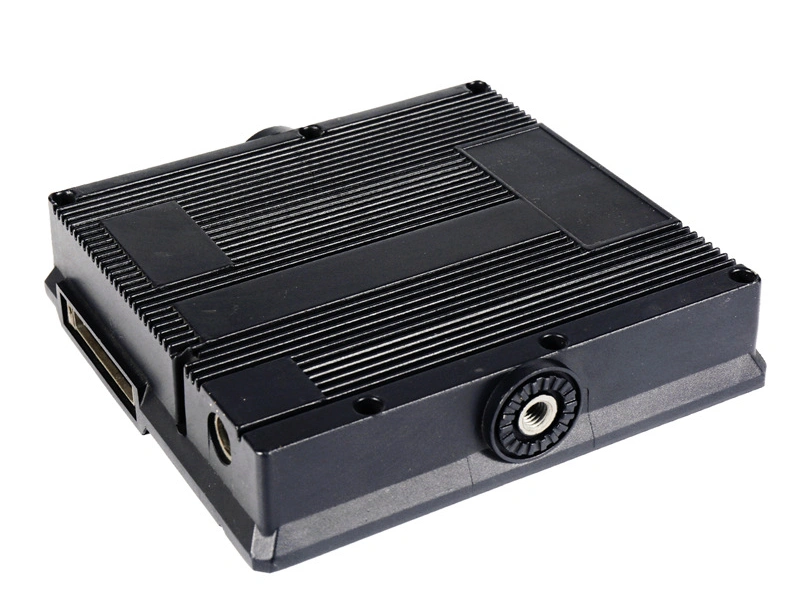
Die cast aluminum parts are widely used when buyers need lightweight metal structures with stable dimensions, integrated features and scalable production. They are common in automotive housings, electronic enclosures, lighting housings, heat sink housings, motor covers, pump bodies, mounting brackets, structural covers, industrial equipment parts and consumer product housings.
For product design teams, die cast aluminum parts are not only a substitute for machined aluminum. They allow buyers to integrate ribs, bosses, mounting points, covers, housings and functional surfaces into one production part. This can reduce assembly steps, support batch repeatability and help control long-term manufacturing cost when the design is stable.
A successful aluminum die casting project should balance lightweight structure, heat dissipation, strength, tooling feasibility, CNC machining needs, surface finishing and production validation. If these factors are reviewed before mold making, buyers can reduce design changes, machining rework, surface defects and batch production risk.
Why Buyers Use Die Cast Aluminum Parts in Product Design
Buyers use die cast aluminum parts because they can combine lightweight metal performance with complex geometry and stable production. Compared with machining every feature from solid aluminum, die casting can form the main structure through tooling and leave only critical areas for CNC machining.
This makes aluminum die casting useful for products that need metal strength, reduced weight, integrated mounting features, finished surfaces and medium to high-volume production. The process can also support polishing, painting, powder coating and other surface treatments when the original casting quality is controlled properly.
For buyers sourcing die casting parts, the value of die cast aluminum parts comes from combining product design flexibility with repeatable manufacturing.
Application | Why Die Cast Aluminum Fits | Buyer Concern |
|---|---|---|
Automotive housings | Supports lightweight structure and stable production | Strength, weight and batch consistency |
Electronic enclosures | Provides protection, appearance and integrated mounting features | Dimensional stability and surface finish |
Lighting housings | Supports heat control, structure and finished appearance | Thermal performance and coating quality |
Heat sink housings | Can integrate cooling ribs and contact surfaces | Heat dissipation and CNC machining accuracy |
Motor covers | Supports metal protection and repeatable assembly features | Flatness, holes and sealing surfaces |
Pump bodies | Can form complex bodies with machined functional areas | Sealing faces, threads and inspection |
Mounting brackets | Combines ribs, bosses and mounting holes in one part | Load-bearing strength and hole position |
Industrial equipment parts | Supports durable custom metal structures for production | Long-term supply and quality stability |
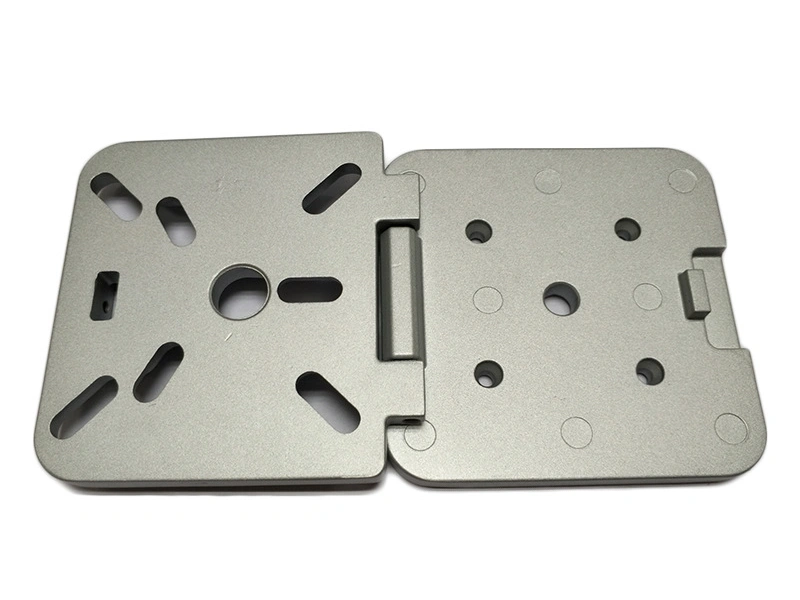
How Die Cast Aluminum Parts Help Reduce Weight Without Losing Function
Lightweight design does not mean simply making every wall thinner. Die cast aluminum parts need a balanced structure that reduces unnecessary material while still maintaining strength, rigidity, assembly accuracy and casting stability.
Buyers should review wall thickness, rib design, corner radius, boss position, mounting hole layout, load-bearing areas, heat dissipation areas and assembly datum surfaces before tooling. These features affect both product performance and manufacturability.
If weight reduction is pushed too far without DFM review, the part may suffer from local shrinkage, deformation, weak assembly areas, unstable dimensions after CNC machining and more surface finishing problems. A better design uses ribs, bosses and controlled wall thickness to reduce weight while keeping the part functional.
Lightweight Design Area | What Buyers Should Review | Risk if Ignored |
|---|---|---|
Wall thickness | Use reasonable and consistent thickness where possible | Shrinkage, porosity or weak areas |
Rib design | Add stiffness without making local sections too thick | Poor flow, sink marks or local shrinkage |
Corner radius | Use suitable radii to support metal flow and reduce stress | Cold shuts, cracks or weak corners |
Boss position | Place bosses to support fastening without creating thick hot spots | Shrinkage and poor screw strength |
Mounting hole layout | Plan holes with assembly load and machining access in mind | Misalignment and higher post-machining cost |
Load-bearing areas | Reinforce only where strength is required | Overweight design or weak functional zones |
Assembly datum surfaces | Define datum areas before tooling and machining | Unstable machining and assembly variation |
How Heat Dissipation Affects Die Cast Aluminum Part Design
Heat dissipation is one reason buyers choose die cast aluminum parts for lighting housings, electronic enclosures, motor covers, heat sink housings and thermal structures. Aluminum can support lightweight structure and thermal performance, but the part design must balance heat flow, casting stability and later machining needs.
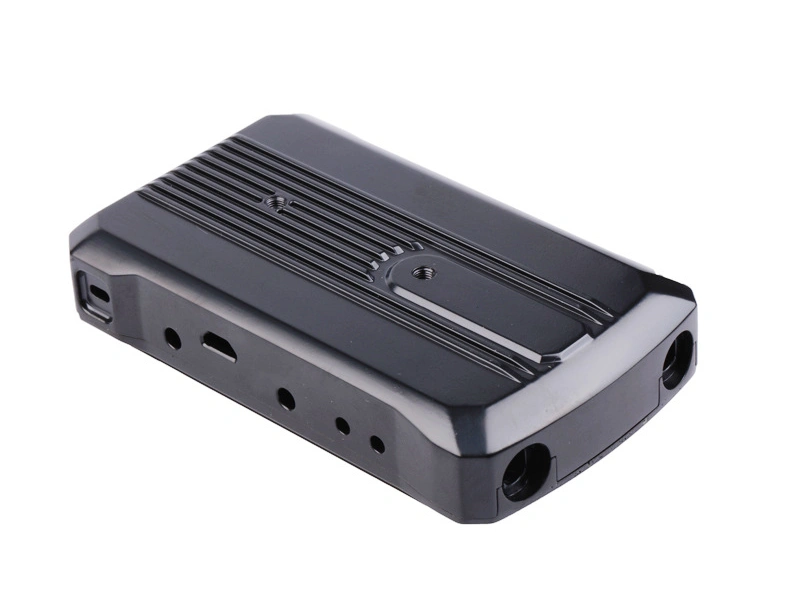
Heat sink features, cooling ribs and mounting surfaces should be designed carefully. More ribs can increase surface area, but if ribs are too thin, too deep or poorly positioned, they may create mold filling problems. Contact surfaces that transfer heat to another component may also need CNC machining for flatness and stable assembly.
Surface finishing should also be considered. Painting, powder coating or protective coating may be required for appearance and corrosion resistance, but buyers should confirm whether the finish affects thermal performance, surface quality or assembly requirements.
Design Area | Why It Matters | Buyer Concern |
|---|---|---|
Wall thickness | Affects heat flow and casting stability | Avoid shrinkage and weak areas |
Cooling ribs | Increase surface area for heat dissipation | Balance heat dissipation and mold filling |
Mounting surfaces | Connect the part to other components | May need CNC machining |
Material choice | Affects thermal performance and production stability | Match product environment |
Surface finish | Affects appearance, protection and sometimes thermal behavior | Confirm coating and function |
How Ribs, Bosses and Mounting Features Affect Production
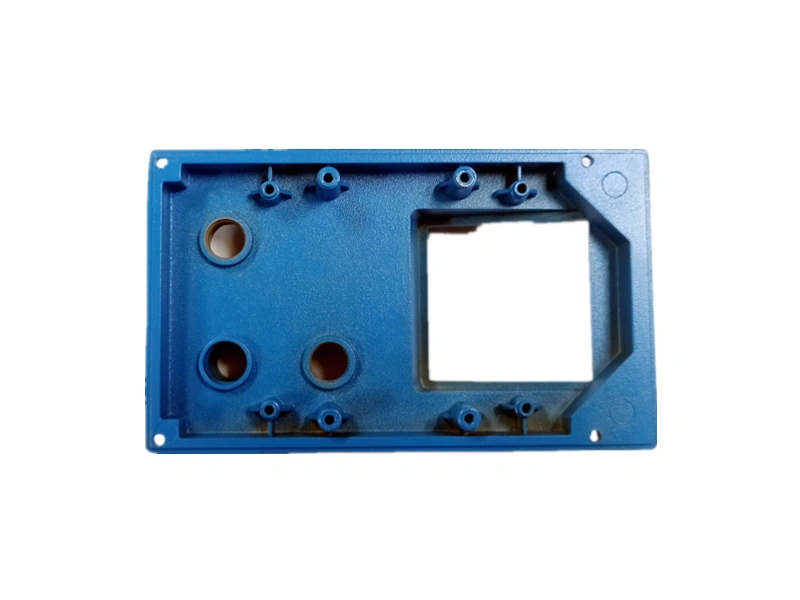
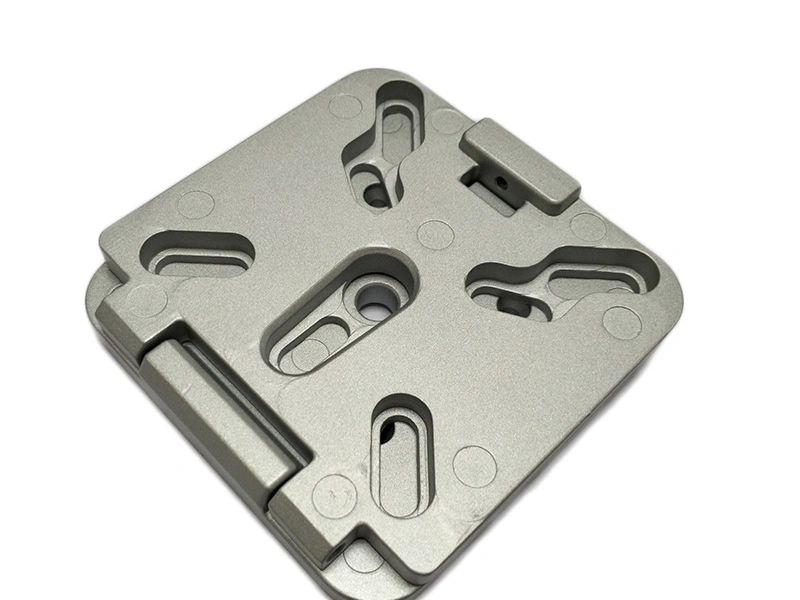
Die cast aluminum parts often integrate multiple functional structures into one component. Ribs improve stiffness, bosses support screws or assembly, and mounting features help the part connect with other components. These structures can reduce assembly steps, but they must be designed with casting and machining in mind.
Ribs can improve rigidity, but poor rib design may increase shrinkage or filling risk. Bosses can support fastening, but local thick sections may create quality problems. Mounting features need enough material for CNC machining, especially when holes, threads or flatness-controlled faces are required.
Because these features affect both casting and assembly, buyers should confirm them during DFM review before tooling for die cast aluminum parts begins.
Feature | Production Value | Planning Risk |
|---|---|---|
Ribs | Improve stiffness without making the whole part heavy | Can cause filling or shrinkage issues if poorly designed |
Bosses | Support screws, inserts and assembly points | Can create thick sections and local shrinkage |
Mounting features | Help the part connect with other components | Need machining allowance and tolerance planning |
Holes | Support fastening, positioning or assembly | May need drilling, tapping or boring after casting |
Threads | Provide fastening function | Usually need CNC machining after die casting |
Assembly datum surfaces | Control how the part fits with other components | Need tolerance and machining planning before tooling |
How to Plan Critical Tolerances on Die Cast Aluminum Parts
Buyers should not set tight tolerance on every dimension of a die cast aluminum part. Over-tight tolerances can increase CNC machining time, inspection cost, fixture complexity and production rework without improving the actual function of the product.
Critical tolerances should focus on mounting holes, threaded holes, sealing faces, datum surfaces, bearing holes, locating features, assembly interfaces and flatness-controlled areas. Non-critical regions can often remain as-cast or use normal casting tolerance.
For CNC machining for die cast aluminum parts, buyers should mark only the functional areas that require precision. This helps control cost while keeping fit, sealing and assembly performance stable.
Critical Area | Why It May Need Tight Control | Cost Control Point |
|---|---|---|
Mounting holes | Hole position affects installation and alignment | Machine only holes that affect assembly |
Threaded holes | Threads need controlled depth, pitch and alignment | Define thread requirement before quotation |
Sealing faces | Flatness and surface finish affect leakage control | Apply flatness only where sealing is required |
Datum surfaces | Datums guide machining, inspection and assembly | Confirm datum scheme before tooling |
Bearing holes | Roundness and diameter affect fit and movement | Use CNC machining for functional bore areas |
Locating features | Positioning surfaces control repeatable assembly | Keep non-functional surfaces as-cast |
Assembly interfaces | Mating areas affect final product fit | Focus inspection on functional interfaces |
Flatness-controlled areas | Casting alone may not meet strict flatness | Avoid applying flatness to hidden non-critical areas |
Die Cast Aluminum Parts vs Fully CNC Machined Aluminum Parts
Buyers often compare die cast aluminum parts with fully CNC machined aluminum parts. The right option depends on production volume, part complexity, precision needs, tooling budget and long-term cost target.
If the project only needs a few prototypes or low-volume parts, CNC machining from solid aluminum may be faster and easier because no die casting tooling is required. If the product has stable demand and complex geometry, die casting plus CNC machining can usually provide better long-term cost control.
A common production strategy is to use die casting to form the main part shape and use CNC machining only for holes, threads, sealing faces, datums and other functional precision areas. This approach can balance cost, function and batch quality.
Option | Best For | Buyer Concern |
|---|---|---|
Die cast aluminum parts | Medium to high-volume complex parts | Tooling investment and production stability |
Fully CNC machined aluminum parts | Prototypes, low-volume parts and high precision solid parts | Higher unit cost for complex production |
Die casting plus CNC machining | Production parts with functional precision areas | Balance cost, function and batch quality |
Buyers comparing material and process routes can also review zinc die casting parts for smaller precision parts or copper die casting parts for conductive or functional components.
How Tooling Affects Die Cast Aluminum Part Performance
Tooling is a core factor in die cast aluminum part performance. It affects filling stability, porosity risk, shrinkage risk, flash and burrs, parting line position, ejector pin marks, machining allowance, surface finish quality, dimensional repeatability and production cycle time.
For buyers, tooling should not be treated as a simple mold fee. The mold design influences sample approval, batch stability, CNC machining success, surface finish quality and long-term production cost.
A qualified manufacturer should review mold structure, gate design, venting, cooling, ejector layout, parting lines, machining allowance and cosmetic surfaces before tool and die making starts. This helps reduce mold modification and production instability.
Tooling Factor | How It Affects Die Cast Aluminum Parts | Buyer Risk if Ignored |
|---|---|---|
Filling stability | Controls whether aluminum fills thin and complex areas properly | Short filling, cold shuts and weak areas |
Porosity risk | Depends on venting, flow path and process control | Exposed pores after machining or finishing |
Shrinkage risk | Depends on wall thickness, cooling and hot spot control | Internal defects and surface marks |
Flash and burrs | Related to mold fit, parting lines and tooling wear | Extra deburring and assembly problems |
Ejector pin marks | Affected by ejector layout and part release force | Visible marks on cosmetic surfaces |
Machining allowance | Leaves material for holes, faces and datums after casting | Scrap or poor final tolerance |
Dimensional repeatability | Depends on mold precision, cooling and process stability | Batch variation and inspection failure |
Production cycle time | Tooling design affects cooling and ejection efficiency | Higher unit cost and delivery delays |
How to Validate Visible Die Cast Aluminum Parts
Visible die cast aluminum parts need more than dimensional approval. If the part is used as a customer-facing housing, cover, lighting part, enclosure or structural appearance part, buyers should validate cosmetic surfaces, parting line position, ejector pin marks, gate removal marks, polishing result, coating or painting result, color consistency, surface roughness, acceptable defect criteria and packaging protection.
Appearance parts should not be approved only by sample photos. Buyers and manufacturers should create a repeatable surface standard that can be used during batch inspection. This helps reduce subjective disputes after mass production begins.
For custom die cast metal parts, visible surface validation should be connected with tooling, deburring, polishing, coating, painting, inspection and packaging. If these steps are not aligned, the first sample may look acceptable while later batches become inconsistent.
Visible Part Validation Item | What Buyers Should Check | Why It Matters |
|---|---|---|
Cosmetic surfaces | Which surfaces are visible or appearance-critical | Guides tooling, polishing and inspection planning |
Parting line position | Whether parting lines appear on important visible areas | Reduces appearance complaints |
Ejector pin marks | Whether ejector marks affect visible or assembly faces | Improves cosmetic and functional acceptance |
Gate removal marks | Whether trimming or grinding marks are visible | Controls polishing and surface finish quality |
Polishing result | Surface smoothness and consistency after polishing | Improves visible surface quality |
Coating or painting result | Color, coverage, adhesion and surface defects | Improves final product acceptance |
Color consistency | Color match between samples and batches | Reduces customer-facing appearance variation |
Acceptable defect criteria | Allowed scratches, pits, marks, pores and color variation | Creates a clear batch inspection standard |
Packaging protection | Protection against scratches, dents and coating damage | Maintains finished appearance during delivery |
FAQ
How Do Heat Dissipation Needs Change Die Cast Aluminum Part Design?
How Should Buyers Plan Ribs, Bosses and Mounting Features in Aluminum Parts?
How Can Buyers Set Critical Tolerances Without Over-Machining Aluminum Parts?
When Are Die Cast Aluminum Parts Better Than Fully CNC Machined Aluminum Parts?
How Should Visible Die Cast Aluminum Parts Be Validated Before Production?