
Wie sollten kundenspezifische Oberflächen, Logos und Texturen vor der Produktion bestätigt werden?
Wie sollten kundenspezifische Oberflächen, Logos und Texturen vor der Produktion bestätigt werden?
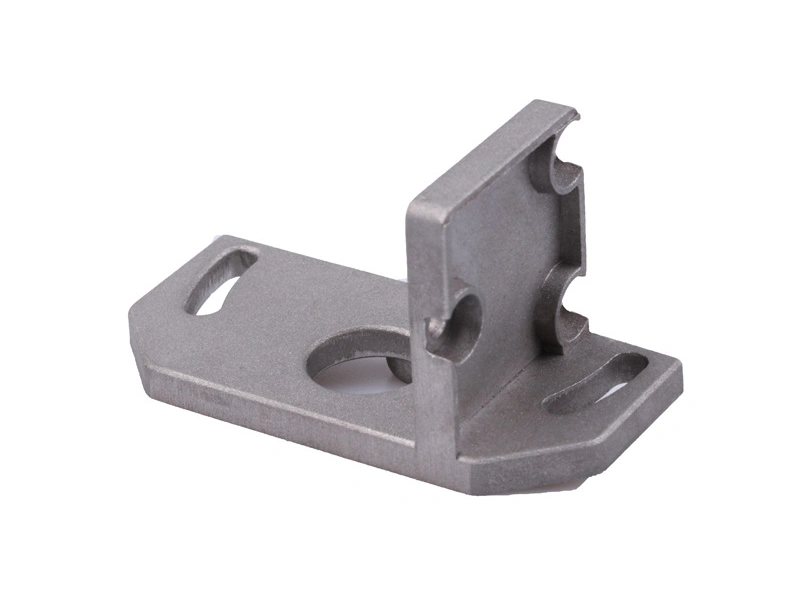
Kundenspezifische Oberflächen, Logos und Texturen sollten vor der Produktion durch Zeichnungen, Oberflächenmuster, visuelle Standards, Werkzeugüberprüfung, genehmigte Muster und schriftliche Freigaben bestätigt werden. Diese Details beeinflussen Werkzeugbau, Gussqualität, Nachbearbeitung, Verpackung und Chargenkonsistenz in kundenspezifischen Zink-Druckguss-Projekten.
1. Warum die optische Anpassung frühzeitig bestätigt werden muss
Anforderungen an Logo, Farbe, Textur, Beschichtung und sichtbare Oberflächen sind nicht nur finale Dekorationsschritte. Sie beeinflussen Werkzeugdetails, Trennlinienposition, Anschnittlage, Auswerfermarkierungsplanung, Oberflächenvorbereitung, Schichtdicke und endgültige Verpackung. Werden diese Anforderungen zu spät bestätigt, kann das Werkzeug bereits Markierungen oder Geometrien enthalten, die mit dem Erscheinungsstandard des Käufers in Konflikt stehen.
Bei Konsumprodukten, Beschlagteilen, Schlossteilen, dekorativen Abdeckungen oder OEM-Sichtteilen sollte die optische Anpassung vor dem Werkzeugbau überprüft und während der Musterfreigabe erneut bestätigt werden.
Optisches Anpassungselement | Bestätigungsmethode | Auswirkungen auf die Produktion |
|---|---|---|
Logo | Zeichnung und Musterfreigabe | Beeinflusst Werkzeugdetails, Formänderung und Markenerscheinungsbild. |
Textur | Werkzeugoberflächenprüfung oder Oberflächenmuster | Beeinflusst visuelle Konsistenz und Oberflächengefühl. |
Farbe | Farbmusterfreigabe | Beeinflusst Chargenkontrolle und Erscheinungsstandard. |
Beschichtung | Oberflächenspezifikation und genehmigtes Muster | Beeinflusst Schichtdicke, Haftung und Haltbarkeit. |
Sichtfläche | Kosmetische Zeichnung oder markiertes Muster | Beeinflusst Werkzeuglayout und Fehlerkontrolle. |
Verpackung | Verpackungsmuster oder Verpackungsanweisung | Schützt fertige Oberflächen vor Kratzern und Beschädigungen. |
2. Wie Logos und Texturen bestätigt werden sollten
Logos können durch erhabenes Werkzeugdetail, vertieftes Werkzeugdetail, Gravur oder Nachbearbeitung geformt werden. Der Käufer sollte Logogröße, -position, -tiefe, -richtung, -schärfe und akzeptables Erscheinungsbild vor dem Werkzeugbau bestätigen. Ist das Werkzeug erst einmal fertiggestellt, können Änderungen an Logodetails eine Werkzeugänderung erfordern.
Texturen können durch die Werkzeugoberfläche oder durch Endbearbeitung erzeugt werden. Käufer sollten bestätigen, ob die Textur dekorativ, funktional, matt, glänzend, fühlbar oder markenspezifisch ist. Neway kann prüfen, ob die ausgewählte Textur für Guss, Auswurf, Endbearbeitung und Serienproduktion praktikabel ist.
3. Wie Oberflächen und Farben freigegeben werden sollten
Kundenspezifische Oberflächen sollten mit einer klaren Spezifikation und einem genehmigten Muster bestätigt werden. Lackieren für kundenspezifische Zinkdruckgussteile, Pulverbeschichten für kundenspezifische Zinkteile und dekorative Beschichtungen für kundenspezifische Zinkteile können alle das endgültige Erscheinungsbild, die Schichtdicke und den Montagespalt beeinflussen.
Käufer sollten sich nicht nur auf Textbeschreibungen wie „schwarz“, „matt“ oder „Premiumoberfläche“ verlassen. Ein physisches Muster, ein Farbreferenz, eine Glanzerwartung oder ein genehmigter Oberflächenstandard ist für die Produktion wesentlich sicherer.
Optisches Risiko | Mögliches Ergebnis | Empfohlene Kontrolle |
|---|---|---|
Logo in der Musterphase unklar | Das Serienlogo kann später schwieriger korrigiert werden. | Logomuster und Werkzeugdetail vor Produktion freigeben. |
Farbe nur mit Worten beschrieben | Chargenfarbe kann von Erwartung abweichen. | Farbmuster oder genehmigte Oberflächenstandards verwenden. |
Textur nicht in Zeichnung vermerkt | Lieferant könnte falschen Oberflächeneffekt anwenden. | Texturbereich, -methode und Akzeptanzstandard definieren. |
Schichtdicke ignoriert | Montagespalt könnte zu eng werden. | Schichtdicke und Funktionsmaße prüfen. |
Verpackung schützt Kosmetikflächen nicht | Fertigteile können verkratzt oder beschädigt ankommen. | Schutzverpackung für fertige kundenspezifische Teile verwenden. |
4. Warum Verpackung in die optische Freigabe einbezogen werden sollte
Fertige kundenspezifische Zinkdruckgussteile können dennoch versagen, wenn sie während des Transports verkratzt werden. Die Verpackung sollte sichtbare Oberflächen, Logobereiche, Beschichtungsoberflächen und Textur-Oberflächen schützen. Bei hochwertigen Kosmetikteilen sollte die Verpackung vor Produktionsfreigabe bestätigt werden.
Neway kann Nachbearbeitung und sichere Verpackung für fertige kundenspezifische Teile unterstützen, sodass die optische Qualität von der Produktion bis zur Lieferung geschützt ist.
Zusammenfassung
Anpassungselement | Beste Bestätigungsmethode |
|---|---|
Logo | Logozeichnung, Werkzeugdetail und Mustererscheinungsbild vor Produktion bestätigen. |
Textur | Texturmethode, sichtbaren Bereich und genehmigtes Muster bestätigen. |
Farbe und Beschichtung | Oberflächenmuster, Beschichtungsspezifikationen und visuelle Standards verwenden. |
Sichtflächenqualität | Kosmetikflächen markieren und Werkzeuglayout vor Formenbau prüfen. |
Endlieferungserscheinungsbild | Schutzverpackung verwenden, um Kratzer und Beschichtungsschäden zu vermeiden. |
