Кремнистая бронза C65500
Введение в материал
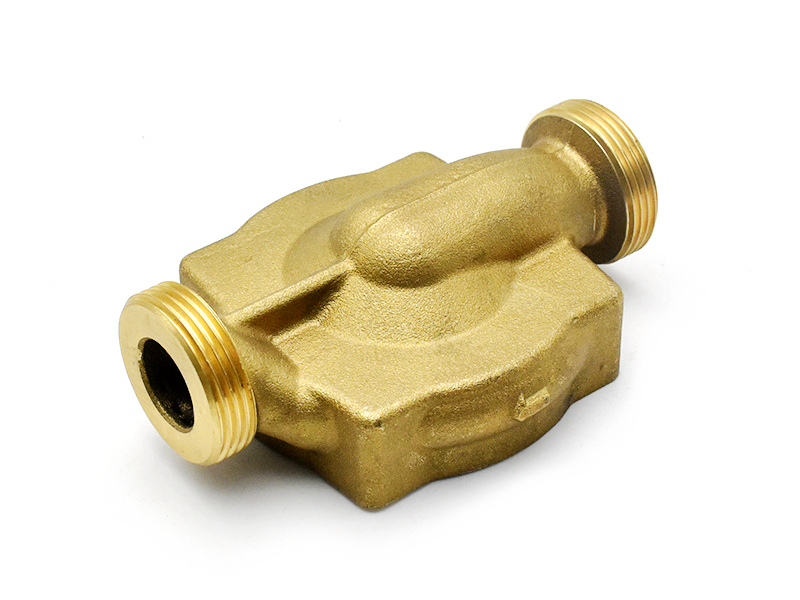
Кремнистая бронза C65500 — это высокоэффективный медный сплав, отличающийся исключительным сочетанием прочности, коррозионной стойкости и отличной технологичности. Эта не содержащая свинца бронза использует кремний в качестве основного легирующего элемента, создавая материал с механическими свойствами, приближающимися к низкоуглеродистой стали, при сохранении коррозионной стойкости, характерной для медных сплавов. Часто упоминаемая под общим названием «Everdur», марка C65500 обладает превосходной стойкостью к коррозионному растрескиванию под напряжением и отличной свариваемостью, что делает ее идеальной для изготовления конструкций и узлов. При обработке с использованием передовых возможностей Neway по литью меди под давлением и прецизионных систем изготовления штампов и пресс-форм, этот сплав позволяет получать компоненты с выдающейся стабильностью размеров и качеством поверхности, утверждаясь как предпочтительный выбор для архитектурных, морских и химических применений, где критически важны как прочность, так и коррозионная стойкость.

Альтернативные варианты материалов
Для применений, требующих еще более высокой прочности и твердости, кремнистая бронза C87300 предлагает улучшенные механические свойства. Когда основным требованием является превосходная обрабатываемость резанием, свинцовая автоматная латунь C48500 обеспечивает исключительную производительность резания. Для применений, требующих максимальной коррозионной стойкости в морской воде, алюминиевая бронза C95400 служит премиальной альтернативой. В приложениях, чувствительных к стоимости, где можно пожертвовать некоторой прочностью, свинцовая бронза C83600 предлагает экономичное решение. Для применений общего назначения, требующих хороших общих свойств, кремниевая латунь C87850 предлагает сбалансированную альтернативу. При рассмотрении не медных альтернатив для конструкционных применений, высокопрочный алюминиевый сплав A514 может быть оценен для приоритизации снижения веса.
Международные эквиваленты / сопоставимые марки
Страна/Регион | Эквивалент / Сопоставимая марка | Конкретные коммерческие бренды | Примечания |
США (ASTM/UNS) | C65500 (Высококремнистая бронза A) | Ampco C65500, Concast Silicon Bronze, Aviva Metals C65500 | Стандартное обозначение UNS для высококремнистых бронзовых сплавов. |
Европа (EN) | CuSi3Mn1 (CW118C) | KME CW118C, Wieland CuSi3Mn1, Luvata CW118C | Европейская марка кремнистой бронзы с аналогичным содержанием марганца. |
Япония (JIS) | C6561 (BsSC1) | JX Nippon C6561, Mitsubishi Shindoh BsSC1 | Японская спецификация кремнистой бронзы, соответствующая характеристикам C65500. |
Германия (DIN) | CuSi3Mn | Diehl Metall CuSi3Mn, Aurubis CuSi3Mn | Немецкая кремнистая бронза со сравнимым составом и свойствами. |
Китай (GB/T) | QSi3-1 | Ningbo QSi3-1, Zhongse Silicon Bronze | Китайская марка кремнистой бронзы, функционально эквивалентная C65500. |
Международный (ISO) | CuSi3Mn1 | Различные сертифицированные ISO бронзовые заводы и литейные производства | Международный стандарт для литейных кремнисто-бронзовых сплавов. |
Великобритания (BS) | CB101 (BS 2874) | British Standard CB101 Silicon Bronze | Спецификация Великобритании для прутков и литых изделий из кремнистой бронзы. |
Франция (NF) | CuSi3Mn1 (A55) | Tréfimétaux A55, Fonderie de France CuSi3Mn1 | Французский эквивалент кремнистой бронзы с аналогичными механическими свойствами. |
Назначение разработки
Кремнистая бронза C65500 была специально разработана для устранения разрыва в производительности между традиционными медными сплавами и черными материалами, предоставляя коррозионностойкую альтернативу стали в ответственных применениях. Усовершенствованный состав сплава решает критическую потребность в материале, который сочетает отличную коррозионную стойкость меди с механической прочностью, приближающейся к стали, оставаясь при этом легко свариваемым и пригодным для обработки. Стратегическое добавление кремния (2,8–3,8%) значительно повышает прочность за счет упрочнения твердого раствора, улучшает текучесть для превосходной литейности и обеспечивает исключительную стойкость к коррозионному растрескиванию под напряжением. Содержание марганца дополнительно способствует повышению прочности и действует как раскислитель, обеспечивая получение плотных и качественных отливок. Такой тщательно сбалансированный дизайн делает C65500 особенно подходящей для конструкционных применений в коррозионных средах, тяжелого морского оборудования и архитектурных компонентов, где эстетическая привлекательность и долговечность являются обязательными требованиями.
Химический состав
Элемент | Медь (Cu) | Кремний (Si) | Марганец (Mn) | Цинк (Zn) | Железо (Fe) | Другие элементы |
Состав (%) | 94,0–96,0 | 2,8–3,8 | 0,5–1,3 | ≤1,5 | ≤0,8 | ≤0,50 всего |
Физические свойства
Свойство | Плотность | Интервал плавления | Теплопроводность | Электропроводность | Тепловое расширение |
Значение | 8,53 г/см³ | 955–1025°C | 46 Вт/м·К | 11% IACS | 18,0 мкм/м·°C |
Механические свойства
Свойство | Предел прочности на растяжение | Предел текучести (0,5%) | Удлинение | Твердость | Ударная вязкость |
Значение | 480 МПа | 195 МПа | 40% | 85 HB | 45 Дж |
Ключевые характеристики материала
Отличное сочетание высокой прочности и хорошей пластичности
Превосходная коррозионная стойкость в пресной воде, морской воде и промышленных атмосферах
Исключительная стойкость к коррозионному растрескиванию под напряжением
Отличная свариваемость всеми распространенными методами сварки
Хорошая литейность с отличной текучестью и минимальными дефектами усадки
Немагнитные и искробезопасные свойства для опасных сред
Хорошая обрабатываемость резанием для высокопрочного медного сплава
Отличная усталостная прочность для применений с динамическими нагрузками
Привлекательный золотисто-коричневый цвет, идеальный для архитектурных применений
Хорошая износостойкость и антифрикционные свойства
Технологичность и постобработка
Литье меди под давлением: Отличная текучесть позволяет производить сложные отливки с высокой целостностью
Песчаное и центробежное литье: Подходит для крупных конструкционных компонентов и массивных сечений
Последующая механическая обработка: Хорошая обрабатываемость позволяет выполнять точную финишную обработку критических элементов
Сварка и изготовление конструкций: Отличная свариваемость с использованием процессов GTAW, GMAW и SMAW
Горячая и холодная обработка: Поддается как горячему, так и холодному формованию
Пескоструйная обработка: Эффективна для подготовки поверхности и создания равномерного матового покрытия
Шлифовка и полировка: Позволяет достигать высоких классов чистоты поверхности от функциональных до декоративных
Подходящие виды поверхностной обработки
Прозрачная химическая патина: Стабилизирует поверхность и повышает стойкость к потускнению
Полировка и покрытие прозрачным лаком: Сохраняет яркий золотистый вид, предотвращая окисление
Искусственное патинирование: Химическая обработка создает отделки под старину или статуарную бронзу
Электрополировка: Создает микроскопически гладкие поверхности, повышающие коррозионную стойкость
Пассивация: Обработка мягкими кислотами способствует образованию равномерной защитной пленки
Герметизация оксидного слоя: Химическая обработка, стабилизирующая поверхность для долгосрочной долговечности
Распространенные отрасли и применения
Морское оборудование: гребные валы, дейдвудные подшипники и компоненты систем морской воды
Архитектурные применения: структурные скульптуры, декоративные решетки и строительная фурнитура
Химическая переработка: компоненты теплообменников, детали реакторов и оборудование для работы в коррозионных средах
Промышленное оборудование: валы насосов, штоки клапанов и крепежные изделия для коррозионных сред
Электрические компоненты: немагнитная фурнитура и опоры токопроводящих шин
Искусство и скульптура: конструктивные элементы, требующие как прочности, так и атмосферостойкости
Оборудование безопасности: искробезопасные инструменты и фурнитура для взрывоопасных сред
Когда выбирать этот материал
Конструкционные применения в коррозионных средах: Сочетает прочность, подобную стали, с коррозионной стойкостью медного сплава
Морские и прибрежные применения: Превосходная стойкость к коррозии в соленой воде и обрастанию организмами
Требования к отсутствию искр и намагничивания: Существенно для безопасности в опасных средах
Применения, требующие обширного изготовления и сварки: Отличная свариваемость упрощает производство
Архитектурные проекты, требующие долговечности: Формирует стабильную, привлекательную патину, защищающую основной металл
Компоненты, подверженные динамическим нагрузкам: Высокая усталостная прочность обеспечивает долгосрочную надежность
Применения без содержания свинца: Соответствует современным экологическим стандартам и стандартам охраны здоровья
Изучить связанные блоги